
"Fraijanes"
603 article(s) found

What's the taste of Guatemala Ladisha? how do you brew Guatemalan coffee?
Communication of professional baristas Please pay attention to the Coffee Workshop (Wechat official account cafe_style) volcanic soil, high altitude, humid and rainy climate, active volcanic activity has created the unique geographical conditions of the Farahan Plateau. The Pacaya volcano in the region is the most active of the three volcanoes still erupting in Guatemala, leaving the Farahan Plateau often shrouded in a thin layer of dust and

Differences, distinctions and awards of washed boutique coffee beans at La Tisa Manor in Guatemala
Professional baristas Please follow Coffee Workshop (Wechat official account cafe_style) bourbon Coffee (French: Caf Bourbon) is a kind of coffee produced by Arabica coffee bourbon cultivation. Bourbon coffee was originally grown in Reunion, which was also known as le Bourbon Island before 1789. It was later occupied by France to work with the African continent and Latin

La Tisa coffee producing area of Guatemala introduces how to brew Guatemalan coffee.
Communication of professional baristas Please pay attention to the coffee workshop (Wechat official account cafe_style) at present, the grading system of coffee bean producing areas in the world is not unified, and each coffee producing country has its own grading system and grading name, so you may see the following words on the coffee logo: SHB, AA+, Supremo, Extra-Fancy, round beans / adzuki bean, etc., these are coffee beans

How did Guatemala Latisa Coffee come from? what's the grade of Guatemalan coffee beans?
Professional baristas Please pay attention to the Coffee Workshop (Wechat official account cafe_style) Coffee was really introduced to Guatemala in 1750 by Father Jesuit, and the coffee industry was developed by German colonists at the end of the 19th century. Today, most of the coffee industry's production takes place in the south of the country. Guatemala has seven main coffee producing areas: Antigua and Cobain

Guatemala Latisa drinks correctly the price of French Guatemalan coffee beans
For professional baristas, please follow the coffee workshop (Wechat public account cafe_style). Kaddura (Caturra): a single gene variant of bourbon was found in Brazil in the 1950s. It was found that its production capacity and disease resistance were stronger than that of bourbon, and its flavor was comparable. It was suitable for planting at 700m-1700 m and had strong adaptability to altitude, but the yield of planting at high altitude would be relatively reduced. Coffee beans are produced all over the world at present

What are the steps for making Guatemalan coffee under the brand la Tisa, Guatemala
For the exchange of professional baristas, please follow the LaTisha of Guatemala made by hand in the coffee workshop (Wechat official account cafe_style). 15g powder, medium grinding (small Fuji ghost tooth cutter 4 grinding), v60 filter cup, 88-89 degrees water temperature, the first water injection 30g water, 27 seconds of steaming, injection to 105g water cut off, wait for the powder bed water to half and then water injection, slow water injection until 225g water

Guatemala La Tisa Coffee hand data how to drink La Tisa Manor in Guatemala
For the exchange of professional baristas, please follow the LaTisha of Guatemala made by hand in the coffee workshop (Wechat official account cafe_style). 15g powder, medium grinding (small Fuji ghost tooth cutter 4 grinding), v60 filter cup, 88-89 degrees water temperature, the first water injection 30g water, 27 seconds of steaming, injection to 105g water cut off, wait for the powder bed water to half and then water injection, slow water injection until 225g water

Characteristics of Guatemala la Tisa coffee beans method of drinking coffee at La Tisa Manor, Guatemala
Professional baristas Please pay attention to the Coffee Workshop (Wechat official account cafe_style) Coffee was really introduced to Guatemala in 1750 by Father Jesuit, and the coffee industry was developed by German colonists at the end of the 19th century. Today, most of the coffee industry's production takes place in the south of the country. Guatemala has seven main coffee producing areas: Antigua and Cobain

Variety, brand recommendation and manor of washed boutique coffee beans at La Tisa Manor in Guatemala
Communication of professional baristas Please pay attention to the Coffee Workshop (Wechat official account cafe_style) volcanic soil, high altitude, humid and rainy climate, active volcanic activity has created the unique geographical conditions of the Farahan Plateau. The Pacaya volcano in the region is the most active of the three volcanoes still erupting in Guatemala, leaving the Farahan Plateau often shrouded in a thin layer of dust and

Description of the flavor of the varieties recommended for single bean cooking in Ladisha Manor
For the exchange of professional baristas, please follow the LaTisha of Guatemala made by hand in the coffee workshop (Wechat official account cafe_style). 15g powder, medium grinding (small Fuji ghost tooth cutter 4 grinding), v60 filter cup, 88-89 degrees water temperature, the first water injection 30g water, 27 seconds of steaming, injection to 105g water cut off, wait for the powder bed water to half and then water injection, slow water injection until 225g water

Fine Coffee producing areas of Guatemala Coffee characteristics Jane
Mr. Eduardo Ambrocio of the Guatemalan Coffee Company introduced Guatemalan coffee to the audience at the SCAA Houston show in April 2010. Thanks to Ambrocio for giving samples of coffee from eight major producing areas in Guatemala. Eight major coffee producing areas in Guatemala. Acatenango Valley: Acatenango Valley is high above sea level
Flavor characteristics, producing areas and cooking parameters of washed boutique coffee beans at La Tisa Manor, Guatemala
Communication of professional baristas Please pay attention to the coffee workshop (Wechat official account cafe_style) at present, the grading system of coffee bean producing areas in the world is not unified, and each coffee producing country has its own grading system and grading name, so you may see the following words on the coffee logo: SHB, AA+, Supremo, Extra-Fancy, round beans / adzuki bean, etc., these are coffee beans

Guatemala Coffee Bean roasting Latisa Manor Coffee varieties and Coffee practices
Main points: see that some friends say to buy coffee powder directly, I personally recommend people in large and medium-sized cities, it is better to buy fresh coffee beans and grind them themselves. To make a good cup of coffee, the most fundamental thing is to have fresh and high-quality coffee beans; hand mill to buy better, can ensure that the coffee powder is uniform. If the powder is not evenly ground, the coffee will not taste good.
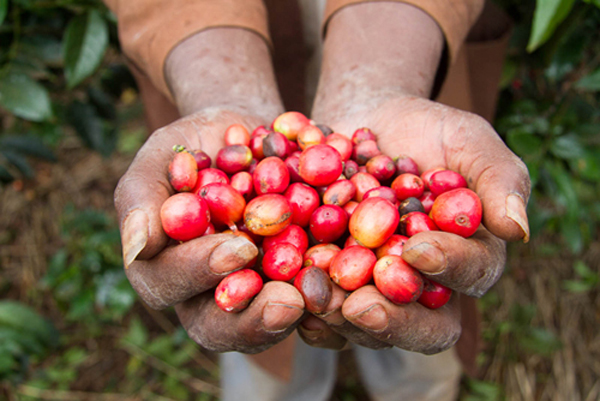
A detailed introduction to the characteristics of coffee from eight major producing areas of Guatemala
Eight major coffee producing areas in Guatemala. Acatenango Valley: the Acatenango Valley is 2000 meters (6500 feet) above sea level, with dense shade and unique ecology. Nearby Fuego volcanoes continue to erupt, making its coarse, sandy soil rich in a variety of minerals. Temperate sea breezes from the Pacific and seasonal

What coffee producing areas are there in Guatemala coffee? Is the coffee good in Guatemala? Guatemala Coffee
Professional coffee knowledge exchange more information about coffee beans Please follow Coffee Workshop (Wechat official account cafe_style) Guatemala Coffee this country is small, but it has the most diverse weather in the world. There are enough changes in soil, rainfall, humidity, altitude and temperature to produce seven different types of Guatemalan Arabica coffee. Antigua is internationally renowned.

Flavor and aroma characteristics of boutique coffee beans at La Tisa Manor in Guatemala Jane
Antigua Flower God comes from the high altitude in the center of Antigua volcanic area. Costa Rica's famous Raminita Manor provides the industry's highest standard of planting and processing technology, and directly sends personnel to Antigua to participate in quality control, and entrusts Antigua's largest and best-equipped Bastol washing treatment plant (Pastores mill) to do the highest standard of post-harvest treatment.

A brief introduction to the planting Market Price of Guatemala Antigua Flower God Fine Coffee Bean varieties
Guatemala has seven major coffee producing areas: Antigua,Coban,Atitlan,Huehuetenango,Fraijanes,Oriente and San Marcos. The coffee beans in each producing area have their own characteristics, and they have won a lot of praise for Guatemala in the international community, especially the perfect harmony of Antigua's sour, sweet and mellow texture; add a hint of smoky taste to emphasize its

Description of Flavor and introduction of Historical Story of Solar Coffee beans in Olian specialty area of Oriente, Guatemala
Professional coffee knowledge exchange more coffee bean information please follow the coffee workshop (Wechat official account cafe_style) Guatemalan coffee history Guatemala Guatemala coffee was introduced by missionaries in 1750. It was only in 1860 that the Germans expanded the entire industry. To date, there are about 60000 family farms operating in Guatemala

Guatemala Antigua Flower God Fine Coffee Bean Variety Planting Market Price
Currently, some of Guatemala's finest coffee is exported to Japan, where it sells for $3 to $4 a cup. Moreover, Guatemala has deliberately set up a special coffee association and gives maximum funding and attention to these high-quality Russian coffees. These efforts quickly paid off. Guatemala coffee exports accounted for world coffee exports, October 2006-May 2007

World Coffee Tour | Guatemala with charming smoky flavor
| planting history Guatemala is located in Central America, which has a unique geographical environment, which is linked to North America in the north and bordering South America in the south. Facing the Caribbean Sea and the Gulf of Mexico, the climate is relatively hot and humid, and it has always been an important coffee producing area in the world. Guatemala knew how to grow and drink coffee as early as 1747, and in 1750, the god Jesuit