
What Is Extremely Light Roast Coffee? Nordic vs Japanese Roasting
Customer: “What roast is this coffee?”
FrontStreet: “Medium-light.”
Customer: “Do you have extremely light roasted beans?”
FrontStreet: “No, we don’t.”
In Chinese culinary tradition, “fully cooked” is usually paramount—most ingredients are thoroughly heated to bring out their flavors. Just as we assume only fully cooked food can taste right, many assume the same of coffee. If dark roast is akin to well-done, then extremely light roast might sound like a rare, three-quarter-done steak—visibly lightly toasted, yet hiding an unpredictable flavor inside. Today, FrontStreet Coffee explores the little-known world of extremely light roast coffee.
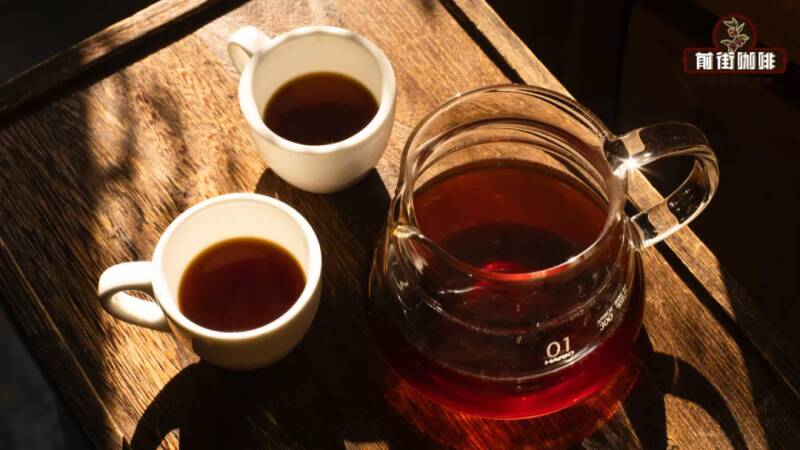
Where Did “Extremely Light Roast” Coffee Come From?
The term “extremely light roast” originates from what’s known as Nordic Roast—or sometimes Nordic Light Roast. This style first emerged in Scandinavian countries such as Norway, Sweden, and Denmark around 2004, and has since developed into a distinctive school within specialty coffee roasting.
Nordic roasters typically apply this style to single-origin beans from Africa or the Americas. The goal is to highlight the “origin character” of the coffee: its unique terroir-driven traits. Beans roasted this way often emerge a pale yellowish-brown, dry to the touch with no surface oil. In ideal cases, Nordic light roasting emphasizes bright, vibrant acidity, delicate floral and fruity notes, and a clean, tea-like or juicy body—often described as reminiscent of drinking fruit tea or fresh juice.
However, these ultra-light roasts can also present challenges. When brewed as espresso, pour-over, or even in milk drinks, the resulting cups tend to be lighter in color, thinner in body, and significantly higher in acidity. That makes them harder to work with for some brewing methods and palates.
How Is Nordic Roast Different from Traditional Roasting?
During coffee roasting, the “first crack” (or ) is generally seen as the point where the bean is “done.” Roasting can end anytime after first crack begins—the earlier it’s stopped, the lighter the roast; the longer it continues, the darker the roast becomes.
Most coffee enthusiasts understand the broad categories: light, medium, and dark roasts. As roast level deepens, bean color darkens and flavor profiles shift. Dark roasts are nearly black-brown, often bitter—like FrontStreet’s Mandheling. Light roasts are light brown with higher acidity—like FrontStreet’s Yirgacheffe. Medium roasts fall in between, often balanced with notes of sweetness, acidity, and body—like our Blackberry blend. Knowing these basics helps roasters and drinkers choose beans aligned with their preferred flavors and brewing styles.
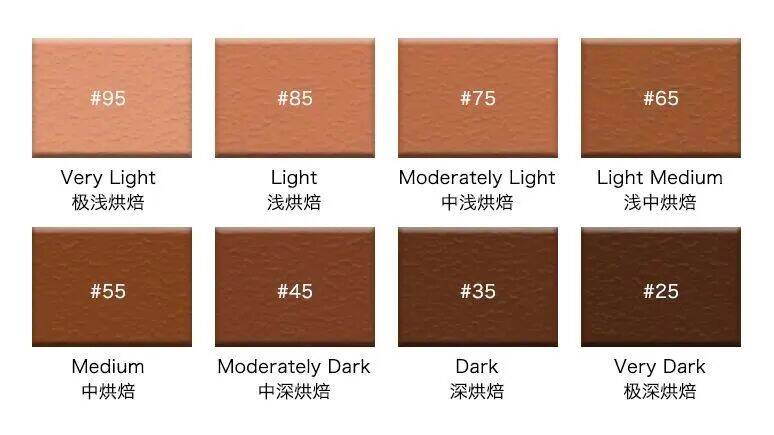
So, does Nordic roasting just mean cutting roast time short? Not quite. Because Nordic roast isn’t simply a degree of roast—it’s more about the roast curve, or the “roasting rhythm.”
If Japanese dark roast relies on low heat, slow development, and long roasting times to achieve a thick, rich, and aromatic cup, Nordic light roast goes the opposite route: fast, precise, and intense. Based on the bean’s inherent traits, roasters apply high heat early and bring the beans to the verge of first crack—then stop. This minimizes prolonged caramelization (Maillard reactions) and sugar development, aiming to preserve the bean’s innate acidity and clean fruit character. The result is a more distinctive, vibrant cup, free from heavy, masking bitterness. But this approach demands top-grade green beans and highly skilled roasting technique. Without both, flaws in the raw beans become far more obvious.
Roasting isn’t just about applying heat. As temperature, time, and phase change, complex chemical reactions unfold inside the bean—reactions that directly shape the final cup’s color, aroma, acidity, sweetness, bitterness, body, and even crema quality. So from a technical standpoint, Nordic light roasting is not merely about shorter roast times. It involves a nuanced interplay of equipment, roast profiling, and color metrics to define its true characteristics.
Why Doesn’t FrontStreet Offer Extremely Light Roast Coffee?
You may have noticed that most specialty coffee shops in China sell beans roasted to medium-light levels. Truly “extremely light” roasts are rare—and FrontStreet is no exception. As a roastery focused on self-roasted beans, especially for home brewers, our priority is to make great origin flavors accessible while ensuring the beans are forgiving and easy to extract well.
Take our Gedeb coffee, for instance. It features bold berry, pear, and plum-like acidity. We enhanced its body with a touch more caramel development to give it a smoother, fuller mouthfeel. That makes it enjoyable as pour-over, cold brew, or even steeped simply with hot water—showcasing classic Kenyan brightness without being overly sharp.
On the other hand, most espresso drinkers—especially those using milk—prefer a richer, mellower cup. They gravitate toward lower-acid, creamier, and more caramel-forward beans: medium, medium-dark, or dark roasts. For these customers, extreme light roast beans can taste overly sharp, thin, or underdeveloped when combined with milk.
While medium-light roasts like ours are fruit-forward and popular, going to “extreme” light roast territory introduces additional challenges. These beans retain high levels of chlorogenic acids, malic acid, and citric acid due to shorter roast times and underdeveloped sugars. Without sufficient sweetness to balance them, extraction can easily turn sour or astringent—hence the common complaint: “extremely light roast beans are hard to brew.”
When done right, a well-executed Nordic-style light roast can explode with distinct origin character—like the citrus and jasmine of Panama Geisha, or the apricot and hibiscus notes of Ethiopian Geisha. But when poorly executed, the result is a “raw” or “underdeveloped” cup, with grassy or astringent off-flavors that defeat the purpose of choosing light roast in the first place.
Recommended FrontStreet Beans for Light Roast Lovers
Explore FrontStreet’s medium-light roasted single origins that highlight delicate acidity and origin character. The Kenya Little Tomato offers bright berry flavors with juicy acidity, perfect for showcasing light roast vibrancy. The Yirgacheffe from Gedeb brings citrus, floral, and berry notes ideal for pour-over or cold brew. The Ethiopia Humbera (Geisha) presents exotic florals and stone fruits, best brewed gently to preserve its intricate profile. Freshly roasted within 5 days · Orders placed before 17:00 ship the same day · Next-day delivery across most of Guangdong Province.
FrontStreet Coffee is a long-established specialty coffee roaster in Guangzhou China, selling freshly roasted beans from its own farm in Yunnan as well as dozens of carefully selected single-origin beans from around the world for both pour-over and espresso. The products deliver consistently excellent quality and great value, with shipping within 24 hours. Guangzhou's FrontStreet Coffee shop is recommended by many coffee lovers, and the beans are now available online at the Tmall 。
Important Notice :
前街咖啡 FrontStreet Coffee has moved to new addredd:
FrontStreet Coffee Address: 315,Donghua East Road,GuangZhou
Tel:020 38364473

Why does Ice-Drip coffee smell wine when it is left for a long time? How many days is recommended to finish drinking ice drops? Why do I feel astringent when I just made ice drops?
How long will coffee beans go bad? Is the shelf life of coffee beans 12 months? How to tell if the coffee is bad?
