
"Gera"
245 article(s) found

Introduction to varieties of Ethiopian coffee bean flavor description grinding scale treatment method
Ethiopian coffee bean flavor description grinding scale treatment variety introduction Ethiopia has a unique and different flavor, providing customers all over the world with a wide range of taste choices. In the highlands of southwestern Ethiopia, coffee growers in Kaffa, Sheka, Gera, Limu and Yayu

Introduction to the characteristics of Flavor Coffee Bean Manor in Ethiopian Coffee Variety producing area
Ethiopia has a unique flavor that is different from other flavors and provides customers all over the world with a wide range of taste choices. In the highlands of southwestern Ethiopia, the Kaffa, Sheka, Gera, Limu and Yayu Senri coffee ecosystems are considered the hometown of Arabica coffee. this

Flavor description of Coffee from Xidamo Chiso producing area of Ethiopia
Ethiopia has unique and different flavors, providing customers all over the world with a wide range of taste choices. In the highlands of southwestern Ethiopia, the Kaffa, Sheka, Gera, Limu and Yayu Senri coffee ecosystems are considered to be Arabica coffee.

High quality Bolivian snow vein estate coffee beans flavor taste aroma characteristics Description
In the southwestern highlands of Ethiopia, the Kaffa, Sheka, Gera, Limu and Yayu Senli coffee ecosystems are considered home to Arabica coffee. These forest ecosystems are also home to a variety of medicinal plants, wildlife and endangered species. Western Highlands of Ethiopia

What grade is Rose Xia Village Golden Standard Rose Xia? Flavor characteristics of Ethiopian Golden Standard Rosa Coffee Bean
Professional coffee knowledge exchange more coffee bean information please follow the coffee workshop (Wechat official account cafe_style) END

Internet cafe + coffee = Internet cafe
Internet cafes + coffee = Internet cafes, a new type of leisure industry has sprung up in Hangzhou.

Aromatic Ethiopian coffee growing environment Flavor Taste Introduction
Located in the most privileged natural conditions, Ethiopia produces unique high-quality coffee every year. Ethiopia's coffee growing cycle brings harvest joy to the country every year. Beautiful white coffee flowers bloom and bear fruit every year between March and April. Only the reddest and most mature fruits are selected between September and about December
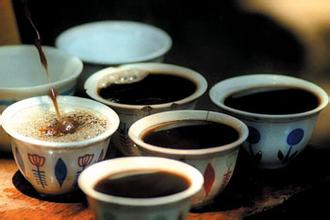
Ethiopian coffee
Ethiopia's Yirgacheffe coffee is petite, but gentle and sweet. As the home of coffee, Ethiopia's millennia of growing and processing traditions have resulted in high-quality washed Arabica beans. Light baked with unique lemon, floral and honey sweet aromas, soft fruit acids and citrus notes, fresh and bright taste. not
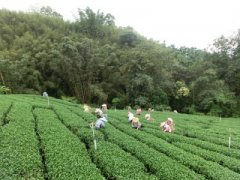
A brief introduction to the planting Market Price of Sidamo Shakiso Fine Coffee Bean varieties with Blueberry Camellia fragrance
Ethiopia has a unique flavor that is different from other flavors and provides customers all over the world with a wide range of taste choices. In the highlands of southwestern Ethiopia, the Kaffa, Sheka, Gera, Limu and Yayu Senri coffee ecosystems are considered the hometown of Arabica coffee. this

A brief introduction to Coffee Culture in Ethiopia
Sustainable coffee culture Ethiopian coffee beans grow in close to the natural environment, after years of planting under the same growth conditions, Ethiopian coffee beans have gradually adapted to the environment here. More than 60% of coffee beans are grown in forests or semi-forests. The villages that grow coffee in large areas account for about the total amount of coffee produced in the country.

Bottleneck of traditional Internet cafes + Coffee = Internet cafes A new form of leisure industry
This year, many Internet cafes around the school have been renovated and upgraded, and the environmental equipment has been optimized a lot. Chen Zuyue, a student at Zhejiang Art School, said that it can not only surf the Internet, but also provide milk tea and coffee, with a unique taste of petty bourgeoisie. Recently, after a visit, the reporter found that a new type of Internet cafe with a leisure card appeared in the bustling commercial circle.

Ethiopia Coffee Bean Flavor Manor introduces Ethiopian boutique coffee beans
Ethiopian coffee beans grow in close to the natural environment, after years of planting under the same growth conditions, Ethiopian coffee beans have gradually adapted to the environment here. More than 60% of coffee beans are grown in forests or semi-forests. Large-scale coffee-growing villages account for about 35% of the country's total coffee production. Many of these are used.

Coffee producing and growing areas in Ethiopia
Ethiopian coffee beans grow in close to the natural environment, after years of planting under the same growth conditions, Ethiopian coffee beans have gradually adapted to the environment here. More than 60% of coffee beans are grown in forests or semi-forests. Large-scale coffee-growing villages account for about 35% of the country's total coffee production. Many of these are used.

Ethiopian coffee, culture, development
Ethiopian coffee Ethiopia has unique natural conditions and is suitable for growing all imaginable varieties of coffee. As a highland crop, Ethiopian coffee beans are mainly grown in areas between 1, 100 and 2300 meters above sea level, roughly distributed in southern Ethiopia. Deep soil, well drained soil, weakly acidic soil, laterite

Characteristics of Ethiopian Coffee beans Grinding scale Variety treatment Manor
Total Ethiopian coffee production Ethiopia's Buna (coffee) ceremony is a long process, averaging about 1.5 hours. The ceremony, which takes place every day, aims to come to the conclusion that it may be a marriage proposal or a mediation of family conflict. The first is roasted coffee beans. When the coffee beans are roasted, the coffee will be made by women (who often dress up).

High quality Coffee production and sales of Coffee from Ethiopia Coffee
Ethiopian coffee beans grow in close to the natural environment, after years of planting under the same growth conditions, Ethiopian coffee beans have gradually adapted to the environment here. More than 60% of coffee beans are grown in forests or semi-forests. Large-scale coffee-growing villages account for about 35% of the country's total coffee production. Many of these are used.

Introduction to Coffee Culture and Flavor in Ethiopia
Sustainable coffee culture Ethiopian coffee beans grow in close to the natural environment, after years of planting under the same growth conditions, Ethiopian coffee beans have gradually adapted to the environment here. More than 60% of coffee beans are grown in forests or semi-forests. The villages that grow coffee in large areas account for about the total amount of coffee produced in the country.

Ethiopian Coffee Manor Ted Manor Ethiopian Coffee producing area
Ethiopian coffee beans grow in close to the natural environment, after years of planting under the same growth conditions, Ethiopian coffee beans have gradually adapted to the environment here. More than 60% of coffee beans are grown in forests or semi-forests. Large-scale coffee-growing villages account for about 35% of the country's total coffee production. Many of these are used.

What's the difference between Panama Emerald Estate and Summer Village?
Professional coffee knowledge exchange More coffee bean information Please pay attention to coffee workshop (Weixin Official Accounts cafe_style)

Ethiopian Coffee Bean Flavor Manor introduces Ethiopian Coffee Brands
Ethiopian coffee beans grow in close to the natural environment, after years of planting under the same growth conditions, Ethiopian coffee beans have gradually adapted to the environment here. More than 60% of coffee beans are grown in forests or semi-forests. Large-scale coffee-growing villages account for about 35% of the country's total coffee production. Many of these are used.