
"In-Con4"
31817 article(s) found

A brief introduction to the description of flavor, taste and aroma characteristics of Latin American boutique coffee beans with excellent balanced performance
Nicaragua (Nicaragua) aroma 3.5 minutes brightness 4 mellow flavor 4 points aftertaste 4 points suitable for baking: people who like deep-baked taste of City/Full city can try Jinotega and Matagalpa, baking the second burst when the beans are dense, the flavor is thick but well balanced, with a strong bitterness, very suitable

A brief introduction to the history and culture of the origin and development of Latin American boutique coffee beans with thick flavor
Guatemala (Guatemala) aroma 3.5 minutes brightness 4.5 minutes mellow 3.5 minutes flavor 4.5 minutes aftertaste 4.5 points suitable for baking: Light/Medial/City shallow roasting, city degree can best show the characteristics of Guatemalan coffee, too deep will reduce the fruit flavor, if you like the smoky flavor, you can bake close to the second explosion, but still do not enter the second explosion as the principle. Because of beauty
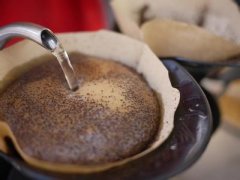
Coffee Common sense Latin American (Latin America) Coffee and roasting
In 1721, French naval officer Gabriel Mathieu de Clieu went through difficulties and obstacles to bring the first coffee sapling from Africa to the Latin American island of Martinique, which was the origin of coffee cultivation in Latin America. Because France was under the Bourbon dynasty at that time, there was another time for Arabica coffee grown in Latin America.

Latin American Coffee Bean Characteristics Taste Treatment Flavor Description Region Variety
Latin American coffee bean characteristics Taste processing method Flavor description Region of origin Variety Costa Rica Aroma 3.5 points Brightness 4.5 points Full-bodied 3 points Flavor 4.5 points Aftertaste 4.5 points Suitable for roasting degree: Light/Medial/City If you want to show Costa Rica's perfectly balanced flavor, you must not roast deeply. It is recommended that the City degree be enough, even the first explosion can be finished.

Introduction to roasting of coffee beans in Latin America
Following Cafe (official Wechat account vdailycom) found that the Beautiful Cafe opened a small shop of its own. In 1721, French naval officer Gabriel Mathieu de Clieu brought the first coffee sapling from Africa to the Latin American island of Martinique, all of which was the origin of coffee cultivation in Latin America. Because France at that time was in

A brief introduction to the treatment of grinding degree and baking degree of clean and compact Latin American boutique coffee beans
Guatemala (Guatemala) aroma 3.5 minutes brightness 4.5 minutes mellow 3.5 minutes flavor 4.5 minutes aftertaste 4.5 points suitable for baking: Light/Medial/City shallow roasting, city degree can best show the characteristics of Guatemalan coffee, too deep will reduce the fruit flavor, if you like the smoky flavor, you can bake close to the second explosion, but still do not enter the second explosion as the principle. Because of beauty

American Coffee region Coffee Bean area
Columbia (Colombian) aroma 3.5 minutes brightness 4.5 minutes mellow 3.5 minutes flavor 4.5 minutes aftertaste 4.5 minutes suitable for baking degree: Medial/City/Full city/Espresso/Dark/French Columbia beans are a small number of roasted coffee beans ranging from shallow roasting to very deep roasting, from light roasting clean brightness to deep roasting sweetness, in such a wide range, Colombian beans will

Introduction to Latin American Coffee
In 1721, French naval officer Gabriel Mathieu de Clieu went through difficulties and obstacles to bring the first coffee sapling from Africa to the Latin American island of Martinique, which was the origin of coffee cultivation in Latin America.

A detailed description of the taste and flavor of Latin American coffee
Following Cafe (official Wechat account vdailycom) found that the Beautiful Cafe opened a small shop of its own. In 1721, French naval officer Gabriel Mathieu de Clieu brought the first coffee sapling from Africa to the Latin American island of Martinique, all of which was the origin of coffee cultivation in Latin America. Because France at that time was in

How to brew coffee by hand for 4 people? How many grams of coffee powder do you need for 4 people?
Is brewing coffee for 1-2 people the same as coffee for 3-4 people? In fact, if you actually operate once, you will find that the brewing process is a little different, and the final flavor will be a little different, so how to fine-tune the parameters to stabilize the flavor of coffee. What is the difference between the large amount of powder and the usual cooking? The increase in the amount of powder means that the total amount of water injection also increases, for example
St. Helena Fine Coffee Island Coffee introduces the bright fruity aroma of Napoleon coffee beans
Fine hanging ear coffee, as a substitute for brewing coffee, there is no doubt about the quality of high quality hanging ear coffee. Easy to carry design, as long as there is a cup and hot water can quickly cook a delicious cup of coffee. The emergence of this product is a great convenience for coffee lovers who often travel abroad. St. Helena (St.Helena) aroma 3.5 minutes brightness 4 minutes mellow 4 points flavor 4.5 minutes

A brief introduction to the History and Culture of the Origin and Development of Fine Coffee in Latin America
Brazil (Brazil) aroma 3 minutes brightness 3.5 minutes mellow flavor 4 minutes aftertaste 4 points suitable for baking: City/Full city/Espresso used as Espressode beans should not be baked too deep, because the producing area is low altitude, the bean density is low, the pot under deep baking produces coke bitterness, it is best to start the pot before the second explosion. As for high-grade Brazilian beans, they can have a wider baking range.

Latin American Coffee Bean Characteristics Latin American Coffee Flavors
Latin America In 1721, Gabriel Mathieu de Clieu, a French naval officer, took the first coffee sapling from Africa to Martinique in Latin America. All this is the origin of coffee cultivation in Latin America. Because France was under Bourbon rule at that time, Latin America was planted

Latin American coffee growing region
Following Cafe Review (official Wechat account vdailycom) found that the Beautiful Cafe opened a small shop of its own in Latin America (Latin America). In 1721, French naval officer Gabriel Mathieu de Clieu went through hardships and obstacles to bring the first coffee sapling from Africa to Martinique in Latin America, all of which was grown in Latin America.
Latin American coffee introduction to coffee producing areas
Latin America (Latin America) in 1721 French naval officer de Klee (Gabriel Mathieu de Clieu) experienced difficulties and obstacles to bring the first coffee sapling from Africa to the Latin American island of Martinique, which was the origin of coffee cultivation in Latin America. Because at that time, France was under the reign of the Bourbon dynasty, and what was grown in Latin America
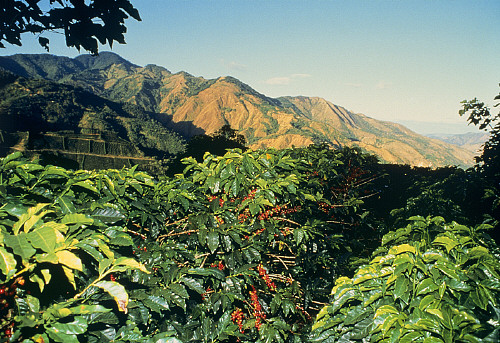
Introduction of boutique coffee producing area in Latin America
Latin America (Latin America) in 1721 French naval officer de Klee (Gabriel Mathieu de Clieu) experienced difficulties and obstacles to bring the first coffee sapling from Africa to the Latin American island of Martinique, which was the origin of coffee cultivation in Latin America. Because at that time, France was under the reign of the Bourbon dynasty, and what was grown in Latin America

Introduction of boutique coffee beans Latin American coffee
Latin America (Latin America) in 1721 French naval officer de Klee (Gabriel Mathieu de Clieu) experienced difficulties and obstacles to bring the first coffee sapling from Africa to the Latin American island of Martinique, which was the origin of coffee cultivation in Latin America. Because at that time, France was under the reign of the Bourbon dynasty, and Elaraby was grown in Latin America.
Latin American coffee beans characteristics Coffee beans import sour Chinese coffee net
Latin America In 1721, Gabriel Mathieu de Clieu, a French naval officer, took the first coffee sapling from Africa to Martinique in Latin America, which is the origin of coffee cultivation in Latin America. Because France was under Bourbon rule at the time, Arabi cultivated in Latin America

Characteristics of Latin American coffee beans Latin American coffee flavor
Latin America (Latin America) in 1721 French naval officer de Klee (Gabriel Mathieu de Clieu) experienced difficulties and obstacles to bring the first coffee sapling from Africa to the Latin American island of Martinique, which was the origin of coffee cultivation in Latin America. Because at that time, France was under the reign of the Bourbon dynasty, and what was grown in Latin America

Characteristics of Latin American coffee beans Latin American coffee flavor
Latin America (Latin America) in 1721 French naval officer de Klee (Gabriel Mathieu de Clieu) experienced difficulties and obstacles to bring the first coffee sapling from Africa to the Latin American island of Martinique, which was the origin of coffee cultivation in Latin America. Because at that time, France was under the reign of the Bourbon dynasty, and what was grown in Latin America