
"Knudsen"
273 article(s) found
Very balanced Honduras San Juan Hito Fine coffee cultivation Location Climate Elevation
The coffee beans of Honduras are large in shape, uniform in size, uniform in color and shiny. To facilitate harvesting, farmers prune coffee trees to no more than 150 centimeters, which requires ladders to be erected because it is too tall, which not only takes time, but may damage the tree by bending the branches. Since the maturity of each fruit of coffee beans is different, it is necessary to maintain the good quality of coffee beans.

A brief introduction to the planting market price of Xido boutique coffee beans in San Juan, Honduras.
High-quality coffee in Honduras uses water washing to deal with coffee beans, usually after soaking, when the defective fruit will surface, it can be discarded first. Then put the good fruit into the fruit peeling machine and peel off the peel with the rotating force of the machine. Peeled fruits are screened by machines to select fruits of high quality. Usually the bigger.

Apricot dried red wine flavor Guava Plain Manor in Guatemala New Oriental region
Boutique coffee has a rich and beautiful taste. Even if the coffee made of boutique coffee beans is not all fine coffee, it depends on whether it gives full play to the characteristics of coffee beans, whether it has a good taste, if not, it can not be called boutique coffee. The term boutique coffee was first coined by Ms. Knudsen of the United States in Coffee and Tea magazine, when
Honduras Coffee Bean Taste Flavor Description Grind Scale Variety Features Origin Introduction
According to Ms. Knudsen, people started drinking fine coffee, but then demand for coffee continued to grow, and new coffee varieties were discovered and used, which led to a decline in coffee quality, and even later people began to reject this bad coffee and bad for their health.

Description of flavor, taste and aroma characteristics of high-quality coffee beans in San Juan, Honduras
There are six main coffee producing areas in Honduras, including Santa Barbara, Copan, Ocotepeque, Lempira, La Paz and El Paraiso in the southeast. Honduran coffee tastes less acidic, while caramel is more sweet. The taste of coffee from these five different producing areas is also slightly different, some slightly sour.
Flavor description of Honduran Coffee beans introduction to the Regional treatment method of Grinding scale production
In fact, according to Ms. Knudsen, people started drinking fine coffee, but later, due to the growing demand for coffee, the quality of coffee declined as a result of the discovery and use of new coffee varieties, and even later people began to dislike this bad and bad coffee.
Baking Ethiopian sun Yegafeine aricha longan jujube honey sweet flavor
Boutique coffee has a rich and beautiful taste. Even if the coffee made of boutique coffee beans is not all fine coffee, it depends on whether it gives full play to the characteristics of coffee beans, whether it has a good taste, if not, it can not be called boutique coffee. The term boutique coffee was first coined by Ms. Knudsen of the United States in Coffee and Tea magazine, when

Introduction to taste treatment of varieties with flavor grinding scale of Honduran coffee beans
Introduction to the flavor grinding scale of Honduran coffee beans, in fact, according to Ms. Knudsen, people started drinking fine coffee, but later, due to the growing demand for coffee, the discovery and use of new coffee varieties led to the decline of coffee quality, and even later people gradually disliked this bad coffee and began to turn to it.
Blackcurrant cranberry flavor of Kenya AA coffee raw bean family Tuji Gatugi processing plant
Boutique coffee has a rich and beautiful taste. Even if the coffee made of boutique coffee beans is not all fine coffee, it depends on whether it gives full play to the characteristics of coffee beans, whether it has a good taste, if not, it can not be called boutique coffee. The term boutique coffee was first coined by Ms. Knudsen of the United States in Coffee and Tea magazine, when

A brief introduction to the history and culture of the origin and development of San Juan Xido boutique coffee beans in Honduras
High-quality coffee in Honduras uses water washing to deal with coffee beans, usually after soaking, when the defective fruit will surface, it can be discarded first. Then put the good fruit into the fruit peeling machine and peel off the peel with the rotating force of the machine. Peeled fruits are screened by machines to select fruits of high quality. Usually the bigger.
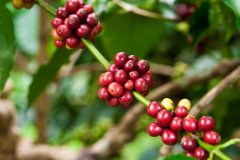
The flavor of blueberry and wine in Shaquiso region of Guji region of Ethiopia
Boutique coffee has a rich and beautiful taste. Even if the coffee made of boutique coffee beans is not all fine coffee, it depends on whether it gives full play to the characteristics of coffee beans, whether it has a good taste, if not, it can not be called boutique coffee. The term boutique coffee was first coined by Ms. Knudsen of the United States in Coffee and Tea magazine, when
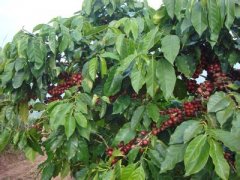
An obvious description of the flavor, taste and aroma characteristics of Xido coffee beans in San Juan, Honduras
There are six main coffee producing areas in Honduras, including Santa Barbara, Copan, Ocotepeque, Lempira, La Paz and El Paraiso in the southeast. Honduran coffee tastes less acidic, while caramel is more sweet. The taste of coffee from these five different producing areas is also slightly different, some slightly sour.

Mixed aroma San Juan, Honduras, Xido boutique coffee beans cultivation situation, geographical location, climate sea
For coffee production, the geographical conditions of Honduras are no less than those of its neighboring coffee-producing countries such as Guatemala and Nicaragua. There are 280000 hectares of coffee plantations in Honduras, mainly small coffee plantations, most of which are less than 3.5ha. These coffee plantations account for 60% of the total coffee production in Honduras. In the coffee garden, because the planting land belongs to
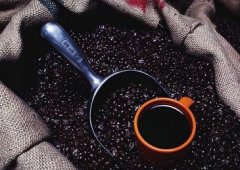
Extremely balanced San Juan, Honduras Xido boutique coffee beans grind degree of baking degree treatment method
High-quality coffee in Honduras uses water washing to deal with coffee beans, usually after soaking, when the defective fruit will surface, it can be discarded first. Then put the good fruit into the fruit peeling machine and peel off the peel with the rotating force of the machine. Peeled fruits are screened by machines to select fruits of high quality. Usually the bigger.
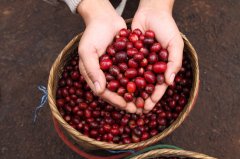
Guatemala Vivette Nan Fruit boutique Coffee Bean Dark Chocolate cut Tobacco Flavor
Boutique coffee has a rich and beautiful taste. Even if the coffee made of boutique coffee beans is not all fine coffee, it depends on whether it gives full play to the characteristics of coffee beans, whether it has a good taste, if not, it can not be called boutique coffee. The term boutique coffee was first coined by Ms. Knudsen of the United States in Coffee and Tea magazine, when

The importance of correct coffee grinding Basic principles of grinding Coffee powder fineness Blending beans
The term boutique coffee was first coined by Ms. Knudsen in Coffee and Tea magazine in the United States, when Ms. Knudsen served as B.C. Ireland's coffee buyer in San Francisco, she is very dissatisfied with the industry's neglect of green coffee bean quality, and even some large roasters mix a lot of robersta beans into the mixed beans, so she proposed the concept of fine coffee advocacy line

Description of flavor and aroma characteristics of San Juan Xido boutique coffee beans with large particle shape
For coffee production, the geographical conditions of Honduras are no less than those of its neighboring coffee-producing countries such as Guatemala and Nicaragua. There are 280000 hectares of coffee plantations in Honduras, mainly small coffee plantations, most of which are less than 3.5ha. These coffee plantations account for 60% of the total coffee production in Honduras. In the coffee garden, because the planting land belongs to
The large granule shape of San Juan Xido boutique coffee beans in Honduras: history, development, history and culture
For coffee production, the geographical conditions of Honduras are no less than those of its neighboring coffee-producing countries such as Guatemala and Nicaragua. There are 280000 hectares of coffee plantations in Honduras, mainly small coffee plantations, most of which are less than 3.5ha. These coffee plantations account for 60% of the total coffee production in Honduras. In the coffee garden, because the planting land belongs to

A brief introduction to the market price of sweet San Juan Xido boutique coffee beans in Honduras
Honduran coffee seems strange to many coffee drinkers. When it comes to coffee production, the geographical conditions of Honduras are no less than those of neighboring coffee-producing countries such as Guatemala and Nicaragua. However, in the past, Honduras was less well-known in the consumer market because it did not have strong support in the handling and transportation of raw beans. But in recent years, the country has become extremely