
"Lars"
155 article(s) found

Description of Coffee Flavor in San Pedro Manor, Puerto Rico
Puerto Rico has a low-wage system, with a per capita hourly wage of $4.20 in 1991. Still, manual workers earn more than workers in many other coffee-producing countries, as long as Hawaii and Yamaja are on a par. Another problem facing the Puerto Rican coffee industry is that in the Caribbean, Puerto Ricans have a relatively high cultural quality, so they are better.

Puerto Rican coffee is one of the most famous brands in the world.
4. Whether it has rich alcohol thickness (Body). It refers to the concentration and weight of the coffee liquid. 5. Whether it has rich afterrhyme (Aftertaste). It refers to the afterrhyme of coffee, which is evaluated according to the flavor after drinking or spitting. 6. Whether it has rich taste (Flavor). Refers to the taste, the upper palate to feel the aroma and taste of coffee, to understand the taste of coffee. 7. Taste

Introduction of Puerto Rico Coffee Bean producing area Larez Yaoke Coffee at San Pedro Manor in the south-central part of the country
The cultivation of some old varieties of Arabica coffee beans, although the yield is lower than other varieties, but generally high quality. People here have been using an ecological and intensive planting method, using only some low-toxic fertilizers and chemicals, and taking mixed crop planting measures to make the soil more fertile. When it's time to pick coffee beans, people wear them back and forth between coffee trees.
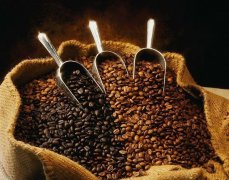
The King's Coffee-Puerto Rico Yaoke Coffee
Puerto Rico, originally an Indian settlement, was discovered during Columbus's second trip to the American continent. The Republic of Puerto Rico was established after the people's armed uprising in 1950, but it has always been a federation of the United States, and its residents have the status of United States citizens.

Introduction to the characteristics of grinding degree of pure Puerto Rican coffee flavor description
Today, Puerto Rican gourmet coffee has been exported to the United States, France and Japan. Coffee in this country is generally carefully cultivated, with pure taste, aroma and heavy granules, among which the best is among the world's famous brands. The best coffee is Yauco Selecto, which means Selecto. Grand Lares Yauco is produced in the southwest of the island.

Puerto Rican coffee flavor and taste the characteristics of the manor producing area introduce the brand of Puerto Rico boutique coffee beans
Puerto Rican coffee has been exported to all parts of the world. As the coffee in this country is generally carefully cultivated, it is pure, fragrant and granular, among which the best is among the world's famous brands. The best coffee is Yauco Selecto, which means Selecto. Grand Lares Yauco is produced in the southwest of the island, Larez.

The origin of coffee is Puerto Rico
In 1736, coffee trees were introduced from Martinique to Puertp Rico. Most of the early coffee was grown by immigrants from Corsica.

The historical development and specific introduction of the coffee producing area of Puerto Rico
Following Cafe (official Wechat account vdailycom) found that the Cafe Beautiful opened a small shop of its own and coffee trees were introduced to Puertp Rico from Martinique in 1736. Most of the early coffee was grown by immigrants from Corsica. By 1896, Puerto Rico ranked sixth in coffee exports in the world, with most coffee shipped to France, Italy and the West.

Nutty San Pedro Manor, Puerto Rico Fine Coffee beans Grinding degree roasting degree treatment
Dry aroma (1-5): 3.5 wet aroma (1-5): 3.2 acidity (brightness) (1-10): 8 taste (layering) (1-10): 8.4 taste (alcohol thickness) (1-5): 3.6 aftertaste (residual) (1-10): 8 balance (1-5): 0 basic score (50): 50 total score (maximum 100): 84.7 strength / main attributes: mild strength / softness A balanced island

Introduction of high-quality coffee beans in Puerto Rico coffee production area
Puerto Rico has a low-wage system, with a per capita hourly wage of $4.20 in 1991. Still, manual workers earn more than workers in many other coffee-producing countries, as long as Hawaii and Yamaja are on a par. Another problem facing the Puerto Rican coffee industry is that in the Caribbean, Puerto Ricans have a relatively high cultural quality, so they are better.

Coffee producing area-Puerto Rico
Yaocote's choice of coffee is the best in the world.
Central American Coffee producing area-introduction of SL28 raisin Solar in Ras Lajas Manor, Costa Rica
Professional coffee knowledge exchange more coffee bean information please follow the coffee workshop (Wechat official account cafe_style) front street-Costa Rica La La Haas estate SL28 raisin sun introduction Francisca and Oscar Chacn couple, is the third generation operator of Las Lajas, Las Lajas is located in the foothills of Sabanilla de Alajuela Pos Volcano in the Central Valley

Pure and fragrant Puerto Rican Coffee Manors introduce boutique coffee producing areas in the central and southern part of the country
Yaocote's coffee, grown on three farms in the southwest of the island, is fragrant and has a long aftertaste. This kind of coffee is very expensive and its flavor is comparable to that of any other coffee variety in the world. In the Yaoke area, the coffee is owned and operated by the local planter. The mountain climate here is mild, the plants have a long ripening period (from October to February), and the soil quality is excellent.

A brief introduction to the Development of Fine Coffee Larez Yaoke Coffee in Puerto Rico Coffee producing area
Today, Puerto Rican gourmet coffee has been exported to the United States, France and Japan. Coffee in this country is generally carefully planted, with pure taste, aroma and heavy granules, among which the best is among the world's famous brands. The best coffee is Yauco Selecto, which means Selecto. Grand Lares Yauco is produced in the southwest of the island.
Introduction to SL28 dried grapes in Central American Coffee producing area-Galaclajas Manor in Costa Rica
Professional coffee knowledge exchange more coffee bean information please follow the coffee workshop (Wechat official account cafe_style) front street-Costa Rica La La Haas estate SL28 dried grapes sun introduction Francisca and Oscar Chacn couple, is the third generation operator of Las Lajas, Las Lajas is located in the foothills of Sabanilla de Alajuela Pos Volcano in the Central Valley
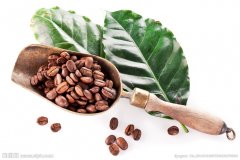
Puerto Rican coffee boutique coffee flavor
Puerto Rico has a low-wage system, with a per capita hourly wage of $4.20 in 1991. Still, manual workers earn more than workers in many other coffee-producing countries, as long as Hawaii and Jamaica are on a par. Another problem facing the Puerto Rican coffee industry is that in the Caribbean, Puerto Ricans have a relatively high cultural quality, so they are better.

Puerto Rico coffee producing area with pure flavor, aroma and heavy particles
Some older varieties of Arabica coffee beans are grown, although they yield less than others, but are generally of good quality. The people here have been adopting an ecologically conservative, intensive farming method, using only low-toxicity fertilizers and chemicals, and adopting mixed crop cultivation measures to make the soil more fertile. When it's time to pick coffee beans, people walk back and forth between coffee trees.
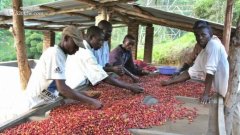
Coffee knowledge Coffee Origin Puerto Rico
In 1736, coffee trees were introduced from Martinique to Puertp Rico. Most of the early coffee was grown by immigrants from Corsica. By 1896, Puerto Rico was the sixth largest exporter of coffee in the world, with most coffee shipped to France, Italy, Spain and Cuba. Coffee farms flourished in the 19th century, but the rise of sugarcane and drug farming
Boutique Coffee Coffee from Puerto Rico
In 1736, coffee trees were introduced from Martinique to Puertp Rico. Most of the early coffee was grown by immigrants from Corsica. By 1896, Puerto Rico was the sixth largest exporter of coffee in the world, with most coffee shipped to France, Italy, Spain and Cuba. Coffee farms flourished in the 19th century, but the rise of sugarcane and drug farming