
"R."
193 article(s) found

A brief introduction to the cultivation of Larez Yaoke boutique coffee beans with unique flavor, geographical location, climate and altitude
Island Coffee-Puerto Rico and Jaime Fortuno, president of Escokidoyaoke (Escogido Yauco), silently pays attention to all this work every year, even the smallest details. Fortuno is an investment banker who graduated from Harvard Business School. He was determined to seize every opportunity to open up a top coffee market in Puerto Rico.

Fragrant and flavored Larez Yaoke Coffee Variety characteristics introduction to Fine Coffee beans in Manor
Puerto Rico was originally inhabited by the Indian Taino tribe. Christopher Columbus sailed here in November 1493 and named it San Juan in honor of John the Baptist the Baptist. In 1508 the Spaniard J. Ponce de Leon established a colonial stronghold on the island and was appointed governor the following year. It was colonized by Spain in 1509. The original on the island.

A brief introduction to the origin, development, history and culture of Larez Yaoke boutique coffee beans with unique flavor
The whole history of coffee in the Caribbean has a lot to do with Spanish reclamation. Coffee was not that important in the 18th century. The main job was to grow sugar-producing crops in fertile valleys. In the early 19th century (1800), the residents of Corsica in the French Mediterranean moved to Puerto Rico because the valleys had been occupied by Spanish immigrants.

A brief introduction to the description of flavor and aroma characteristics of Larez Yaoke boutique coffee beans with unique flavor
Puerto Rico's coffee beans are carefully planted, pure, aromatic and heavy, of which the best coffee is Yauco Selecto, which means Selecto. Yaocote Coffee is grown only on three farms in the southwest of the island, San Pedro, Caracolillo and La Juanita. It is a truly high-quality coffee with a strong flavor and a long aftertaste. Puerto Rico

A Brief Introduction to the Processing Method of Grinding Degree and Roasting Degree of Lares Yaoko Fine Coffee Beans with Full Flavor
Puerto Rico's coffee beans are carefully grown, pure, aromatic and granular. The best coffee is Yauco Selecto, which means select. Grown only on three farms in the south-west of the island, San Pedro, Caracolillo and La Juanita, Yocote Coffee has a strong aroma and a long aftertaste, making it a true premium coffee. Puerto Rico

A brief introduction to the origin, development, history and culture of Larez Yaoke boutique coffee beans with fragrant taste
In 1917, the United States Congress passed the Jones Act, imposing United States citizenship on the people of Puerto Rico. In 1937, the Puerto Rican people were the leader of the Kuomintang of Puerto Rico P. Arvi Sukampos launched an independent uprising in Ponsai, but was suppressed again. In 1947, the United States Congress allowed the Governor to be elected Yoko Yauco, an area of 176.5 square kilometers in the southern part of Poland.

A brief introduction to the description of flavor and aroma characteristics of Larez Yaoke boutique coffee beans with a long aftertaste
The national economy of Puerto Rico developed rapidly in the 20th century. Stimulated by the strong support of the government and the expanding demand of the local market, Polish coffee gradually returned to its former elegant demeanor. The Yauco region is famous for its full Body, creamy and red wine aftertaste and chocolate nut finish. Puerto Rico's new farm coffee is gentle and soft.

The flavor, characteristics, taste and manor of Larez Yaoke coffee with strong aroma and long aftertaste
Puerto Rico was originally inhabited by the Indian Taino tribe. Christopher Columbus sailed here in November 1493 and named it San Juan in honor of John the Baptist the Baptist. In 1508 the Spaniard J. Ponce de Leon established a colonial stronghold on the island and was appointed governor the following year. It was colonized by Spain in 1509. The original on the island.

The taste is strong and fragrant, with a long aftertaste of Larez Yaoke coffee flavor, characteristics, taste and manor introduction.
Puerto Rico was originally inhabited by the Indian Taino tribe. Christopher Columbus sailed here in November 1493 and named it San Juan in honor of John the Baptist the Baptist. In 1508 the Spaniard J. Ponce de Leon established a colonial stronghold on the island and was appointed governor the following year. It was colonized by Spain in 1509. The original on the island.

Long aftertaste of Larez Yaoke Coffee Variety characteristics, taste introduction of boutique coffee beans in manor
Puerto Rico was originally inhabited by the Indian Taino tribe. Christopher Columbus sailed here in November 1493 and named it San Juan in honor of John the Baptist the Baptist. In 1508 the Spaniard J. Ponce de Leon established a colonial stronghold on the island and was appointed governor the following year. It was colonized by Spain in 1509. The original on the island.

Introduction to the description of the flavor of Costa Rican coffee producing areas
In 1949 Figueres Ferrer handed over power to the elected leader of the National Union Party, O. Ullat Blanco. In October 1951, led by Figueres Ferrer, the National Liberation Party was founded. In the six general elections from 1953 to 1978, the National Liberation Party won four times. When the party was in power, it stressed that the state intervened in the economy, nationalized some industries and raised import taxes to protect the nation.

Bolivia Cordillera quality Organic Coffee Manor-what is the coffee flavor in Bolivia?
Professional coffee knowledge exchange more coffee bean information please follow the coffee workshop (Wechat official account cafe_style) Bolivia Cordillera quality organic coffee estate-what is the coffee flavor in Bolivia? Bolivia's high-quality estates, high altitude, perennial low temperature, slow growth, coffee density is enough, delicate and charming aroma, obvious aroma of flowers and vanilla

A brief introduction to the treatment method of grinding degree and baking degree of Larez Yaoke boutique coffee beans with a long aftertaste
Puerto Rico's coffee beans are carefully planted, pure, aromatic and heavy, of which the best coffee is Yauco Selecto, which means Selecto. Yaocote Coffee is grown only on three farms in the southwest of the island, San Pedro, Caracolillo and La Juanita. It is a truly high-quality coffee with a strong flavor and a long aftertaste. Puerto Rico

The flavor, characteristics, taste and manor of Larez Yaoke Coffee with a strong flavor and long aftertaste
Puerto Rico was originally inhabited by the Indian Taino tribe. Christopher Columbus sailed here in November 1493 and named it San Juan in honor of John the Baptist the Baptist. In 1508 the Spaniard J. Ponce de Leon established a colonial stronghold on the island and was appointed governor the following year. It was colonized by Spain in 1509. The original on the island.
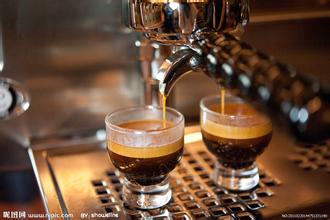
Introduction to the characteristics of the fragrant and grainy coffee flavor manor in Larez Yaoke, Puerto Rico
Puerto Rico was originally inhabited by the Indian Taino tribe. Christopher Columbus sailed here in November 1493 and named it San Juan in honor of John the Baptist the Baptist. In 1508 the Spaniard J. Ponce de Leon established a colonial stronghold on the island and was appointed governor the following year. It was colonized by Spain in 1509. The original on the island.

A brief introduction to the treatment method of grinding degree and baking degree of Larez Yaoke boutique coffee beans with unique flavor
Yaocote's coffee, grown on three farms in the southwest of the island, is fragrant and has a long aftertaste. This kind of coffee is very expensive and its flavor is comparable to that of any other coffee variety in the world. In the Yaoke area, the coffee is owned and operated by the local planter. The mountain climate here is mild, the plants have a long ripening period (from October to February), and the soil quality is excellent.

The taste is fragrant and has a long aftertaste. Larez Yaoke coffee flavor, characteristics, taste and manor introduction.
Puerto Rico was originally inhabited by the Indian Taino tribe. Christopher Columbus sailed here in November 1493 and named it San Juan in honor of John the Baptist the Baptist. In 1508 the Spaniard J. Ponce de Leon established a colonial stronghold on the island and was appointed governor the following year. It was colonized by Spain in 1509. The original on the island.

Is decaf good? Can I make decaf at home? Is it healthy to drink decaf?
Professional coffee knowledge exchange more information about coffee beans Please pay attention to the coffee workshop (Wechat official account cafe_style) decaf coffee does contain caffeine, but the concentration is often low. I work in the Netherlands, and most of my colleagues drink coffee in the morning and noon, and usually start drinking decaf in the evening, because it has less effect on sleep at night. Drink decaffeinated coffee

Coffee flavor and taste characteristics of Costa Rican Goddess Manor introduction to the characteristics of high-quality coffee beans
In the 1948 general election, J.M.H, leader of the Social Democratic Party. Figueres Ferrer launched a civil war, seized power, set up a ruling council (see Costa Rican Civil War), and the people's Vanguard Party was outlawed. In 1949 Figueres Ferrer handed over power to the elected leader of the National Union Party, O. Ullat Blanco. In October 1951, led by Figueres Ferrer, the people were founded

Introduction to the characteristics of Colombian Huilan flavor and taste grinding scale pressing powder treatment method to describe the planting environment
From 1832 to 1837, F.de P. Santander served as the first President of the Republic and exercised the dictatorship of Cordillo (see Cordillo Doctrine). Since then, the Conservative Party and the Liberal Party (see the Colombian Conservative Party, the Colombian Liberal Party) competed for power and interests, resulting in frequent civil wars and long-term political instability. During the reign of the Liberal Party from 1849 to 1884 (of which the Conservative Party was in power from 1857 to 1860)