
"RUIRU"
717 article(s) found

Kenya coffee production introduction three beans guest coffee roaster
Kenya borders Ethiopia to the north, where the Arabica coffee tree originated, but coffee cultivation did not begin until the early 20th century. Missionaries introduced Arabica trees from Yemen in the 19th century, but they did not plant them in large quantities until 1893, when they introduced the ancient seeds of Bourbon coffee from Brazil. Coffee in Kenya is of Brazilian descent.

What kind of coffee are there in Kenya coffee fruit producing areas? Kenya
Kenya Coffee is the origin of Arabica coffee trees in Kenya, but it was not until the beginning of the 20th century that it began to cultivate coffee. In the 19th century, missionaries introduced Arabica trees from leaves, but did not plant them in large quantities. It was not until 1893 that coffee was cultivated on a large scale after the introduction of Brazil's ancient bourbon seeds, that is, Kenyan coffee.

Introduction of Kiambu producing area of Kenyan Coffee and Coffee Bean flavor and taste
Professional coffee knowledge exchange more coffee bean information please follow the coffee workshop (Wechat official account cafe_style) KenyaAB Kiambu Gitwe Kenya AB Komatina cranberry production area: Qianbu Micro area: Gitwe soil: volcanic clay altitude: 1400 m-1800 m varieties: Lmur28, SL-34, Ruiru 11 treatment: Kenyan 72-hour washing 01 | production

Kenya Coffee Bean Flavor Kenya Coffee Bean Origin Fine Coffee
Kenya borders Ethiopia to the north, where the Arabica coffee tree originated, but coffee cultivation did not begin until the early 20th century. Missionaries introduced Arabica trees from Yemen in the 19th century, but they did not plant them in large quantities until 1893, when they introduced the ancient seeds of Bourbon coffee from Brazil. Coffee in Kenya is of Brazilian descent.

Fragrant and full-bodied flavor description of Kenyan coffee beans introduction of varieties in manor area
Delicious coffee, in addition to pay attention to the appropriate temperature, but also have the right amount. Drinking coffee is not like drinking or juice, a full cup of coffee, watching it will lose interest in drinking. Generally, it is only seven or eight minutes full for the right amount, moderate amount of coffee will not only stimulate the taste, after drinking it will not have a greasy feeling, but endless aftertaste. At the same time, the right amount of coffee can appropriately promote the recovery of the body.

Kenya Coffee-introduce how to debug the coffee grinder
Kenya is bordered to the north by Ethiopia, the origin of Arabica coffee trees, but it was not until the beginning of the 20th century that coffee cultivation began. In the 19th century, missionaries introduced Arabica trees from the leaves, but did not plant them in large quantities. It was not until 1893 that coffee was cultivated on a large scale because of the introduction of Brazil's ancient bourbon seeds. That is to say, Kenyan coffee is of Brazilian origin, because of water.

Introduction to the flavor of Kenyan coffee
Kenya is bordered to the north by Ethiopia, the origin of Arabica coffee trees, but it was not until the beginning of the 20th century that coffee cultivation began. In the 19th century, missionaries introduced Arabica trees from the leaves, but did not plant them in large quantities. It was not until 1893 that coffee was cultivated on a large scale because of the introduction of Brazil's ancient bourbon seeds. That is to say, Kenyan coffee is of Brazilian origin, because of water.

Description of Kenyan Coffee Flavor with acidity and Fruit Flavor introduction to the characteristics of varieties
It entered Kenya in the 19th century, when Ethiopian coffee drinks were imported into Kenya through southern Yemen. But it was not until the early 20th century that the bourbon was introduced by the St. Austen Mission (St.AustinMission). Kenyan coffee is mostly grown at an altitude of 1500m, 2100m, and is harvested twice a year. To ensure that only ripe berries are picked, people must be in the forest

Kenya Coffee Bean Variety Appearance Characteristics Kenya Fine Coffee Bean Flavor Taste Description
Don't underestimate Kenya's small farmers. They are no different from ants and soldiers. Their overall productivity is higher than that of large farms, about six to four, which is quite rare in soybean producing countries. Kenyan coffee is widely appreciated by connoisseurs, thanks in large part to smallholder farmers who work hard to grow good coffee in the foothills. In addition, Kenya beans must have a strict grading system, washing plant out of coffee beans, according to the size

Introduction to the planting Environment of individual Coffee Fruit Coffee Flavor, taste and Price in Kenya
Kenyan coffee is mostly grown at an altitude of 1500m, 2100m, and is harvested twice a year. To ensure that only ripe berries are picked, people must tour the forest about seven times. Kenyan coffee is grown by small farmers. After they harvest the coffee, they first send the fresh coffee beans to the cooperative cleaning station, where the washed and dried coffee is covered with parchment beans.

According to the characteristics of Kenyan coffee beans, is Azaria's special treatment of fermented coffee beans good?
Asalia, Kenya: Kenya Sika Thika processing plant: Asali honey processing plant altitude: 15501750 meters classification: AA TOP varieties: SL28,SL34 treatment: K72 (Kenya 72 hours water washing) Sika is a small town in Nairobi, Kenya. There are many coffee fields around Nairobi, and Sika is an industrial town, but it is surrounded by

Kenya AB Comatina Cranberry Kenya AB Kenya AA
AB Comatina Kenya Cranberry growing area: Kiambu Micro-region: Gitwe Soil: Volcanic clay Elevation: 1400 m-1800 m Variety: L-28, SL-34, Ruiru 11 Treatment: Kenyan 72 hours washing Kenya is located in eastern Africa, adjacent to Ethiopia, the source of coffee. Although the soil was fertile, coffee was grown for the first time in the country,

Introduction to the flavor and taste characteristics of the crisp and refreshing coffee manor in Jinchu Valley, Kenya
Kenyan coffee is mostly grown at an altitude of 1500m, 2100m, and is harvested twice a year. To ensure that only ripe berries are picked, people must tour the forest about seven times. Kenyan coffee is grown by small farmers. After they harvest the coffee, they first send the fresh coffee beans to the cooperative cleaning station, where the washed and dried coffee is covered with parchment beans.

Introduction of coffee beans and coffee trees in Kenya
Kenya is bordered to the north by Ethiopia, the origin of Arabica coffee trees, but it was not until the beginning of the 20th century that coffee cultivation began. In the 19th century, missionaries introduced Arabica trees from the leaves, but did not plant them in large quantities. It was not until 1893 that coffee was cultivated on a large scale because of the introduction of Brazil's ancient bourbon seeds. That is to say, Kenyan coffee is of Brazilian origin, because of water.

Introduction to the treatment methods of Kenyan boutique coffee
Don't underestimate the small farmers in Kenya, they are just like ants, and their overall production capacity is higher than that of large farms, about six to four, which is quite rare in bean-producing countries. Kenyan coffee is widely appreciated by connoisseurs, thanks in large part to small farmers guarding the foothills and producing high-quality coffee. In addition, Kenya beans must have a strict grading system, according to the size of the coffee beans taken out by the washing plant.

Kenya coffee beans characteristics of the production area taste grinding scale processing method aroma yield trend introduction
Kenya coffee is mostly grown at altitudes of 1500- 2100 meters and harvested twice a year. To make sure only ripe berries are picked, people have to make about seven rounds through the woods. Kenyan coffee is grown by small farmers who harvest the coffee and send it fresh to a cooperative washing station, where the washed, dried coffee is washed into parchment coffee beans (i.e., coated inside).

Kenya Jinchu Coffee Flavor description, Grinding degree, Taste characteristics, introduction to Fine Coffee
Aromatic, full-bodied, with fruit flavor, taste rich and perfect. Kenyan coffee has a wonderful fruit flavor, tastes like BlackBerry and grapefruit, and is a favorite of many coffee gluttons. This coffee has an excellent medium purity, crisp and refreshing taste. It has a fresh flavor and is most suitable for drinking iced coffee in summer. When tasting this coffee, if paired with grapefruit

Sour coffee beans are recommended. Kenyan coffee is sour. Sour coffee beans are more expensive.
Professional coffee knowledge exchange more coffee bean information please follow the coffee workshop (Wechat official account cafe_style) the source of sour Kenya beans friends like sour coffee beans should like Kenya, it is not as elegant as the acidity of Yega Xuefei, but has a very outstanding sour, round, sweet and thick taste. This is due to planting in Kenya.

Kenya Jinchu Coffee Flavor description Grinding characteristics introduction of Fine Coffee in producing areas
Don't underestimate the small farmers in Kenya, they are just like ants, and their overall production capacity is higher than that of large farms, about six to four, which is quite rare in bean-producing countries. Kenyan coffee is widely appreciated by connoisseurs, thanks in large part to small farmers guarding the foothills and producing high-quality coffee. In addition, Kenya beans must have a strict grading system, according to the size of the coffee beans taken out by the washing plant.
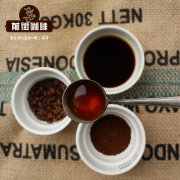
The reason why Kenyan coffee beans are sour out of Africa how much is a bag of Kenyan coffee beans
Professional coffee knowledge exchange more coffee bean information please follow the coffee workshop (Wechat official account cafe_style) like sour friends should like Kenyan coffee beans, it is not as elegant as the acidity of Yega Xuefei, but has a very outstanding sour, round, sweet and thick taste. This is due to the raw variety of Kenyan coffee beans, SL2.