
"Solids"
396 article(s) found

Some common word concepts in fine coffee extraction
Blonding: Describes the process by which the effluent changes from a dark brown with tiger stripes to a uniform pale yellow. This usually occurs in the last 1/3 of the paragraph, indicating that the extraction operation can be completed. The over-yellowing part of the espresso has a weak taste and little aroma. If it lasts too long, it will dilute the alcohol and no longer be a pleasant taste sensation. channel effect

Some common words in extraction basic knowledge of coffee
Blonding: describes the conversion of the liquid from dark brown with tiger stripes to uniform light yellow. This usually occurs in the last 1amp 3 stage, indicating that the extraction operation can be ended. The over-yellowing part of espresso has a light taste and almost no aroma. If it lasts too long, it will dilute the mellowness and is no longer a pleasant taste. Channel effect (ch)
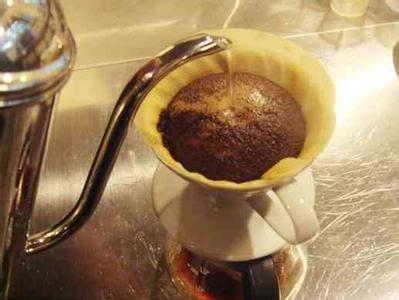
Coffee common sense Some common words in coffee extraction Concept
Yellowing: Describes the process by which the effluent changes from a dark brown color with tiger stripes to a uniform pale yellow color. This usually occurs in the last 1/3 of the paragraph, indicating that the extraction operation can be completed. The over-yellowing part of the espresso has a weak taste and little aroma. If it lasts too long, it will dilute the alcohol and no longer be a pleasant taste sensation. channel effect

Some Concepts of Common words in the extraction of Fine Coffee
Blonding: describes the conversion of the liquid from dark brown with tiger stripes to uniform light yellow. This usually occurs in the last 1amp 3 stage, indicating that the extraction operation can be ended. The over-yellowing part of espresso has a light taste and almost no aroma. If it lasts too long, it will dilute the mellowness and is no longer a pleasant taste. Channel effect (ch)

Some concepts of common words in extraction of boutique coffee beans
Blonding: describes the conversion of the liquid from dark brown with tiger stripes to uniform light yellow. This usually occurs in the last 1amp 3 stage, indicating that the extraction operation can be ended. The over-yellowing part of espresso has a light taste and almost no aroma. If it lasts too long, it will dilute the mellowness and is no longer a pleasant taste. Channel effect (ch)
Basic knowledge of Fine Coffee about some commonly used words in extraction
Blonding: describes the conversion of the liquid from dark brown with tiger stripes to uniform light yellow. This usually occurs in the last 1amp 3 stage, indicating that the extraction operation can be ended. The over-yellowing part of espresso has a light taste and almost no aroma. If it lasts too long, it will dilute the mellowness and is no longer a pleasant taste. Channel effect (ch)

Basic knowledge of Coffee about some Concepts of Common words in extraction
Blonding: describes the conversion of the liquid from dark brown with tiger stripes to uniform light yellow. This usually occurs in the last 1amp 3 stage, indicating that the extraction operation can be ended. The over-yellowing part of espresso has a light taste and almost no aroma. If it lasts too long, it will dilute the mellowness and is no longer a pleasant taste. Channel effect (ch)

Scientific interpretation of Coffee extraction terms-Coffee must see knowledge
Coffee extraction is very knowledgeable, especially in the production of espresso. Here are some terms that professionals often use when talking about coffee extraction. Let's learn the following. Blonding: describes the conversion of the liquid from dark brown with tiger stripes to uniform light yellow. Usually this happens in the last 1amp 3 stage, which suggests that the extraction can be ended.

The second golden cup theory of coffee: what is TDS? TDS reference values of countries all over the world
Professional baristas Please follow the Coffee Workshop (Wechat official account cafe_style) We said last time that regardless of whether we brew coffee using cat-and-dog brewing, our goal is to extract about 20% of the coffee. In order to preserve some space, we allow 18% and 22% to be acceptable. To achieve this goal, of course, it has not been said that we have got the perfect coffee. But...

Coffee cup water powder ratio, water temperature and grinding thickness specified SCAA and Coe cup score table
Professional coffee knowledge exchange more coffee bean information please follow the coffee workshop (Wechat official account cafe_style) Coe cup evaluation items and records and evaluation notes 1. The main purpose of the cup test (1) to explore the original characteristics of coffee, including advantages and disadvantages (2) to explore the roasting characteristics of coffee, to find out the advantages accepted by the market, including bean blending mode (3) according to the cup test.

Comparison between Coffee Gold Cup extraction and Chicken Soup
Communication of professional baristas Please follow the coffee workshop (Wechat official account cafe_style) there are guests who order coffee, emphasizing the strong flavor. In the age of instant coffee, if one teaspoon can adjust the standard weight of a cup; to be strong, use two teaspoons. The so-called shade reflects the monotonous taste of coffee in the past, just like a black-and-white TV, which can be adjusted only by light and contrast. Advocate? Cooking worker
Water Quality Index Affects Coffee Flavor
Even if it is the same TDS water, the soluble solids contained in it will not be the same, so it is possible to be the same in flavor? The problem may come back to the minerals themselves. Because there are many metal cations and anions in water, the common salty taste is mainly sodium ion. According to the periodic table, if the alkali metal ions similar to it can pass through the separation,

Research on Coffee brewing: the effect of different Water quality on Coffee
Professional coffee knowledge exchange more information about coffee beans Please pay attention to the PH value of water in the coffee shop (Wechat official account cafe_style). The PH value refers to the strength of acidity and alkalinity in the aqueous solution. When the water is at 25 ℃, a PH value of 7 means neutral, a PH value greater than 7 indicates a stronger alkalinity, and a PH value less than 7 indicates a stronger acidity. The stronger the alkalinity, the stronger the ability to counteract the acid; the stronger the acidity, the stronger the acid.

The difference between soft water and hard water in making tea Why is the effect of hard water on tea soup turbid?
A cup of hot tea or a cup of iced tea (without ice) contains on average only 1% of the tea solids and more than 99% of the water. If your water quality is poor, it may leave a bad taste and affect the experience of drinking tea. As we all know, soft water is a more suitable water for making tea. The hardness of water is calculated by converting the total amount of calcium and magnesium in the water into calcium carbonate. For example, if a bucket of water contains 1 mm

Guidelines for installing water filtration systems in cafes to increase understanding of "water" in coffee
Water accounts for a large proportion of coffee liquids. A cup of follicular coffee, according to SCAA, SCAE marked TDS (total dissolved solids, can basically be regarded as coffee concentration) range: 1.15% to 1.45%, indicating that more than 98% of this cup of coffee is water. Even at higher concentrations of espresso (the concentration is generally estimated at 8% to 12%), the proportion of water is more than 88%. And usually I

Interpreting the mystery of the composition of coffee drinks Coffee ingredients
Nowadays, many consumers who like to drink coffee also like the coffee drinks on the market. The choice of ready-to-drink coffee drinks is generally based on the brand and then the taste. However, in the process of selection and purchase, because the coffee solids and caffeine contents of many coffee drinks are not clear, people have doubts about the authenticity of these products: is there really coffee in coffee drinks?
What kind of water is suitable for brewing coffee? what is the effect of different water on coffee?
Professional coffee knowledge exchange more information about coffee beans Please pay attention to the PH value of water in the coffee shop (Wechat official account cafe_style). The PH value refers to the strength of acidity and alkalinity in the aqueous solution. When the water is at 25 ℃, a PH value of 7 means neutral, a PH value greater than 7 indicates a stronger alkalinity, and a PH value less than 7 indicates a stronger acidity. The stronger the alkalinity, the stronger the ability to counteract the acid; the stronger the acidity, the stronger the acid.

Is coffee for water quality as low as possible? What is the water quality requirement for coffee brewing? ppm?
Qianjie wrote in a previous article that if you want to realize the freedom of making coffee at home, you have to prepare a budget of more than 1,000 yuan. A set of easy-to-use coffee utensils can make you get twice the result with half the effort, while the quality of coffee beans determines the upper and lower limits of coffee flavor. For beginners, water quality is often overlooked. I believe that many beginners

Understanding of the extraction Theory of Coffee Gold Cup roasting such as stir-frying and brewing coffee
Communication of professional baristas Please follow the coffee workshop (Wechat official account cafe_style) there are guests who order coffee, emphasizing the need for "strong flavor". In the age of instant coffee, if one teaspoon can adjust the standard weight of a cup; to be strong, use two teaspoons. The so-called shade reflects the monotonous taste of coffee in the past, just like a black-and-white TV, which can be adjusted only by light and contrast. Chong