
"Thales"
153 article(s) found
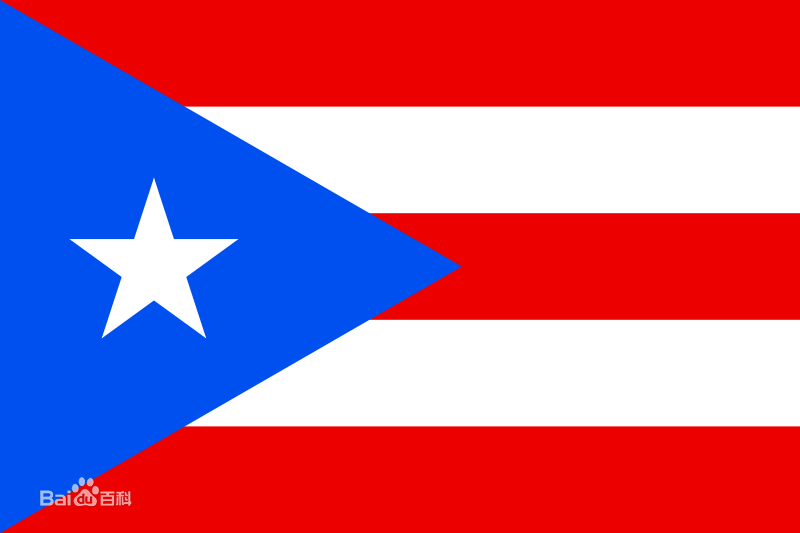
A brief introduction to the Flavor of American Puerto Rico Coffee beans,
In 1736, coffee trees were introduced from Martinique to Puertp Rico. Most of the early coffee was grown by immigrants from Corsica. By 1896, Puerto Rico was the sixth largest exporter of coffee in the world, with most coffee shipped to France, Italy, Spain and Cuba. Coffee farms flourished in the 19th century, but sugar cane and drug farming flourished

Introduction to the method of describing the taste and flavor of Puerto Rico coffee varieties
Yaocote's choice of coffee, which is grown only on three farms in the southwest of the island, is fragrant and has a long aftertaste. This kind of coffee is very expensive and its flavor is comparable to that of any other coffee variety in the world. In the Yauco area, the coffee is owned and operated by local planters. The mountain climate here is mild, and the plants have a long mature period (from October to February of the following year).

Introduction of Puerto Rico Puerto Rican Coffee beans
In 1736, coffee trees were introduced from Martinique to Puertp Rico. Most of the early coffee was grown by immigrants from Corsica. By 1896, Puerto Rico was the sixth largest exporter of coffee in the world, with most coffee shipped to France, Italy, Spain and Cuba. Coffee farms flourished in the 19th century, but the rise of sugarcane and drug farming

Introduction to the planting Environment of Coffee Manor in Puerto Rico San Pedro Manor in the south-central producing area of boutique coffee beans
Some old varieties of Arabica coffee beans are grown here, although the yield is lower than other varieties, but generally of high quality. People here have been using an ecological and intensive planting method, using only some low-toxic fertilizers and chemicals, and taking mixed crop planting measures to make the soil more fertile. When it's time to pick coffee beans, people come among the coffee trees.

China Coffee Network recommends coffee producing area Puerto Rico Greater Larez Yaoke Coffee Larez Coffee
In 1736, coffee trees were introduced from Martinique to PuertpRico. Most of the early coffee was grown by immigrants from Corsica. By 1896, Puerto Rico was the sixth largest exporter of coffee in the world, with most coffee shipped to France, Italy, Spain and Cuba. Coffee farms flourished in the 19th century, but the rise of sugarcane and drug farming
The coffee of Yocott, Puerto Rico is the best in the world.
Yaocote's coffee of choice was the best in the world in 1736, when the coffee tree was introduced from Martinique to Puertp Rico. Most of the early coffee was grown by immigrants from Corsica. By 1896, Puerto Rico was the sixth largest exporter of coffee in the world, with most coffee shipped to France, Italy, Spain and Cuba. Coffee farms flourished in the 19th century, but Gan

Introduction to the Origin of Puerto Rico Coffee by introducing the characteristics of Manor Flavor in Puerto Rico Coffee producing area
It is reported that Puerto Rican coffee has been the first choice for the Vatican and European royals since the second half of the 19th century, and was chosen by US President Roosevelt as the designated coffee for the White House state dinner. According to the restaurant barista, Puerto Rico coffee matures from September to December every year, is picked by 100% hands, and is produced and processed in accordance with the most advanced and stringent quality control in the United States, wrapped in parchment.
Coffee history Coffee trees were introduced to Puerto Rico from Martinique
Coffee trees were introduced to Puerto Rico from Martinique in 1736. Early coffee was mostly grown by immigrants from Corsica. By 1896, Puerto Rico was the sixth largest coffee exporter in the world, with most going to France, Italy, Spain and Cuba. Coffee plantations flourished in the 19th century, but sugar cane and drug cultivation rose

Yaocote chooses coffee to grow on three farms in the southwest of Puerto Rico.
Boutique coffee (specialty coffee) is also called specialty coffee selection coffee. It refers to coffee made from a small number of raw beans with excellent taste grown in an ideal geographical environment. Depending on the special soil and climatic conditions in which they grow, they have outstanding flavor. After strict selection and classification, this kind of coffee is hard in texture, rich in taste and stylish.
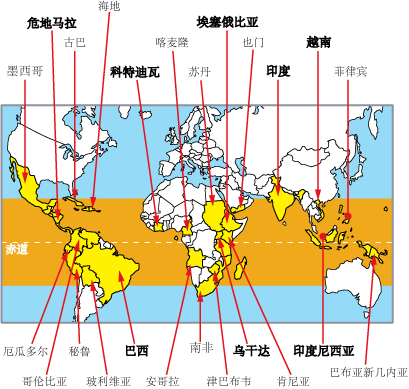
There are 53 coffee producing areas in the world. Puerto Rico Coffee.
In 1736, coffee trees were introduced from Martinique to Puerto Rico (Puertp Rico). Most of the early coffee was grown by immigrants from Corsica. By 1896, Puerto Rico was the sixth largest exporter of coffee in the world, with most coffee shipped to France, Italy, Spain and Cuba. 19th century coffee manor
Introduction to the origin of coffee-what is the quality of Puerto Rico coffee? Puerto Rico.
In 1736, coffee trees were introduced from Martinique to Puertp Rico. Most of the early coffee was grown by immigrants from Corsica. By 1896, Puerto Rico was the sixth largest exporter of coffee in the world, with most coffee shipped to France, Italy, Spain and Cuba. Coffee farms flourished in the 19th century, but the rise of sugarcane and drug farming
The origin of Baudoli coffee, the taste and flavor of Bordori coffee.
Following Cafe Review (Wechat official account vdailycom) found that Beautiful Cafe opened a small shop of its own in the coffee industry. Speaking of coffee produced on the island, I think you must be no stranger to the Blue Mountains of Jamaica and Kona of Hawaii, both famous boutique coffee. In fact, if we talk about coffee from island origin, there is another kind of coffee that is worth talking about and tasting, and that is Bo.

Fascinating Coffee Yaocote Coffee Puerto Rican Coffee
Boutique coffee has a strict grading system. Generally, raw beans are preserved in parchment coffee beans in the form of endocarp after processing, and the endocarp is removed before export. Go through a strict grading process to ensure the uniformity of quality. And it is very important to preserve the protection in the process of transportation, such as the control of temperature and humidity, the control of ventilation, avoiding odor adsorption and so on.

The coffee beans of Puerto Rico in America have the characteristics of pure taste, aroma and heavy grain.
In 1736, coffee trees were introduced from Martinique to Puerto Rico (Puertp Rico). Most of the early coffee was grown by immigrants from Corsica. By 1896, Puerto Rico was the sixth largest exporter of coffee in the world, with most coffee shipped to France, Italy, Spain and Cuba. Coffee farms were once numerous in the 19th century
Introduction of Puerto Rican Coffee Flavor Manor with Pure, aromatic and heavy granule
On 6 November 2012, Puerto Rico held its fourth referendum. The referendum consists of two rounds of voting. In the first round, Puerto Ricans voted on whether they wanted to change the status quo in their relations with the United States. 1.8 million people were eligible to vote, 65000 gave up the first round of voting, and 54 per cent of those who took part in the vote supported a change of relationship. Later, Puerto Ricans were like

The characteristics of the grindness of Puerto Rican coffee with rich fruit flavor and taste manor in the producing area
Puerto Ricans are the general name of the residents of United States Puerto Rico in Central America and the Caribbean. There are about 3.4 million people (1979). Spanish and English are widely used. More Catholic. The earliest inhabitants of Puerto Rico were Arawak and Caribbean Indians. In 2012, whites of European origin accounted for about 73% of the population, mixed-race people accounted for 23%, and blacks accounted for 4%. There are more than 20,000 Americans and others.

Description of the flavor of Puerto Rican coffee without bitterness introduction to the characteristics of high-quality coffee beans in the producing area
Puerto Rican gourmet coffee has been exported to the United States, France and Japan. Coffee in this country is generally carefully cultivated, with pure taste, aroma and heavy granules, among which the best is among the world's famous brands. The best coffee is Yauco Selecto, which means Selecto. Grand Lares Yauco is produced in the southwest of the island, Larez.

Introduction to the pure, fragrant and grainy Puerto Rican coffee producing area, Larez Yaokeka in the south-central part of the country.
In 1736, the first coffee tree was introduced to Puerto Rico from Martinique. Since then, Puerto Rico has become the base for producing the highest quality coffee in the world. The unique taste chosen by Yaocote has also become the object of admiration of coffee experts all over the world. Most of the earliest coffee trees were planted by immigrants from Corsica. About 160 years later, the coffee industry in Puerto Rico has emerged

Escoki, Puerto Rico. Growing history of Yaoke Selecto Yauco specialty coffee?
Professional coffee knowledge exchange more coffee bean information please follow the coffee workshop (Wechat official account cafe_style) Escoki multi-producing area of Puerto Rico | Yaoke Escogido Yauco specialty coffee growing history? Yocott's choice of coffee is the best in the world. In 1736, coffee trees were introduced from Martinique to Puertp Rico. Most of the early coffee was made by Cosey.

Introduction to the characteristics of Puerto Rico boutique coffee with complete flavor and no bitterness
On September 23, 1869, the people of Puerto Rico were in R. Under the leadership of Emmetrio Betons, an uprising was held in the town of Larez (known as the voice of Larez in history), which declared the establishment of a republic on the 24th and was later suppressed by the Spanish colonial army. After a long struggle, Puerto Rico was finally granted local self-government by Spain. However, from then on, after the Spanish-American War, the island became an American colony, when