
"microbe"
192 article(s) found
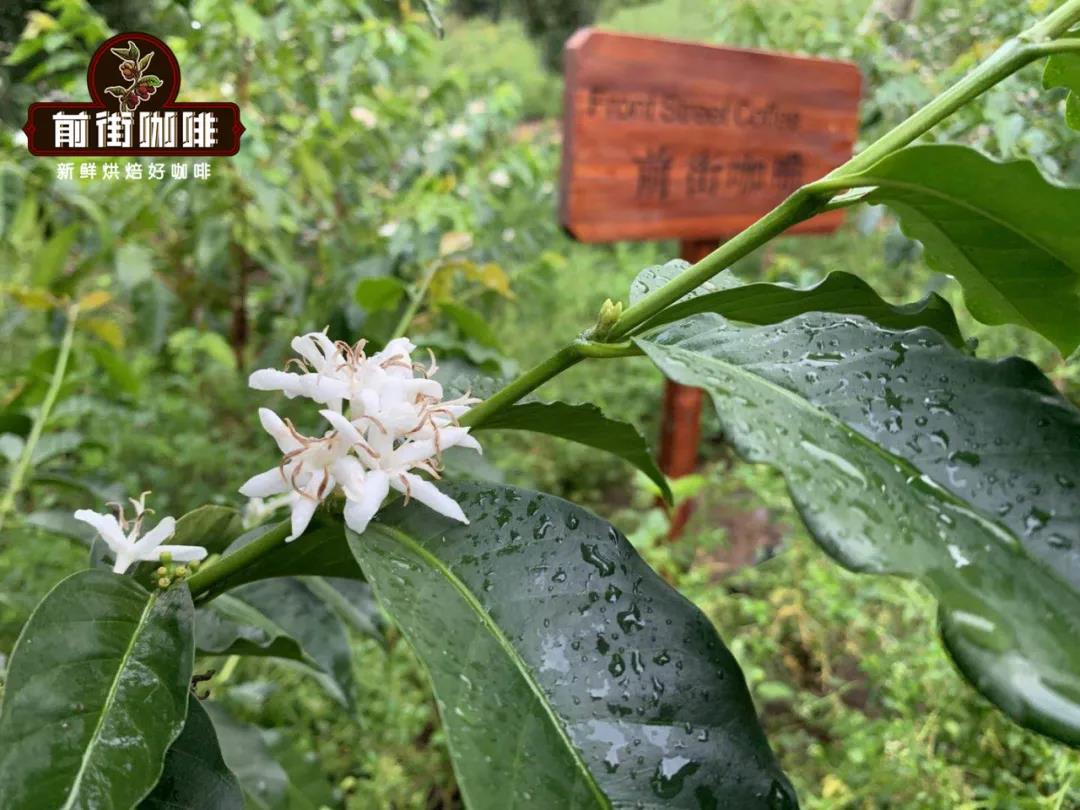
The difference of story flavor and taste between Yunnan coffee iron card and Katim small grain coffee bean varieties
Typica and Bourbon, two classic high-quality coffee varieties, are the main coffee varieties in Yunnan. In 1991, a series of Catimor varieties were introduced from Kenya (stronger anti-virus ability and higher yield). A variety of Arabian species (also known as small seed species). Because the morphology and habits of the two varieties are similar, the two varieties are mostly mixed. Yunnan area

How much water do you know we use to make coffee every day?
Professional coffee knowledge exchange more coffee bean information Please follow the coffee workshop (Wechat official account cafe_style) Carbonate system generally refers to the factors related to water quality: TDS, hardness (GH), pH value, buffer index (KH), metal content, especially calcium and magnesium. In order to test the use of water for brewing coffee, the above factors and their interactions must be fully taken into account when evaluating the use of water for brewing coffee.
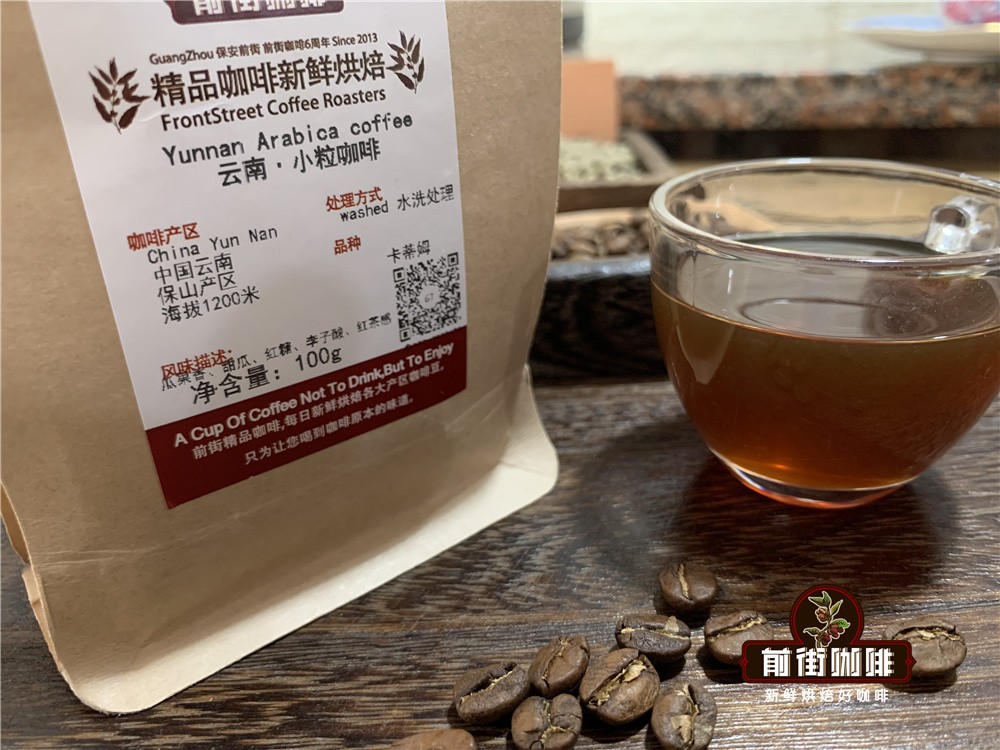
Introduction to the basic knowledge of Yunnan Fine Coffee Bean varieties description of hand-made taste of Yunnan small-grain coffee
[scientific name] small grain species are CoffeaarabicaL., medium grain species are Coffeacanephora, large grain species are Coffealiberica family genus: Rubiaceae Coffea [alias] small grain species, also known as Arabian species, medium grain species also known as Gaffra species, large grain species also known as large seed species
How to make ice drop coffee black coffee powder ratio grinding degree single product coffee bean recommendation at home
Following Cafe Review (Wechat official account vdailycom) found that Beautiful Cafe opened a small shop of its own. How to make iced coffee? This is a reference extraction data: powder-to-water ratio: coffee powder to ice ratio is about 1:61:10, depending on personal preference, 1:6 taste is already quite strong

What is the effect of water quality on coffee extraction? Is TDS as low as possible? The Ca,Mg ion concentration is
Professional coffee knowledge exchange more coffee bean information Please follow the coffee workshop (Wechat official account cafe_style) Carbonate system generally refers to the factors related to water quality: TDS, hardness (GH), pH value, buffer index (KH), metal content, especially calcium and magnesium. In order to test the use of water for brewing coffee, the above factors and their interactions must be fully taken into account when evaluating the use of water for brewing coffee.

What are the different methods of coffee treatment? what are the differences in the flavor of coffee?
Tanning is a traditional method for the initial processing of coffee beans, and at present, almost all coffee-growing countries such as Ethiopia and Yemen still use solarization to treat raw beans. The sun treatment will first spread the ripe or half-ripe beans in the drying farm for natural drying. The specific time depends on the local climatic conditions, which usually takes two to four weeks. When the moisture of coffee beans

Coffee bean wet planing Giling Basah or Wet Hulling?
Professional coffee knowledge exchange more coffee bean information please pay attention to the coffee workshop (Wechat official account cafe_style) wet planing method. This is a coffee processing method exclusive to Indonesia and two or three surrounding coffee producing countries. Giling Basah is Indonesian, literally translated as scraping off the hard shell under wet conditions. It also has another English name, Wet Hulling. The earliest translation of this word in China

Difference of brewing flavor between Shirley coffee beans and litchi orchid coffee beans in Honduras boutique coffee producing area
Professional coffee knowledge exchange more coffee bean information please follow the coffee workshop (Wechat official account cafe_style) when it comes to Honduran coffee, I believe many enthusiasts will think of that cup of sherry coffee full of whisky and vanilla cream taste. Shirley and lychee orchid, two coffee beans from Honduran barrels handled in front of the street, have always been the hearts of many enthusiasts.
What is the flavor of Colombian coffee bred by volcanic soil? Colombian coffee treatment
Professional coffee knowledge exchange more coffee bean information please follow the coffee workshop (Wechat official account cafe_style) Colombia sits on heaven-given mountains and good water, rich landforms, clusters of volcanoes, fertile soil, abundant Rain Water, Qianjie believes that this is a heaven-made coffee wonderland. From 2008 to 2011, Colombian coffee beans won the championship in the SCAA Cup Test Competition for four consecutive years.
Panamanian Coffee the characteristics of Rosa Coffee in the Story of the Historical Jade Manor in the four major producing areas of Panama
Exchange of professional baristas follow the coffee workshop (Wechat official account cafe_style) the history of coffee in Panama, the first Typica tree species launched by Europeans in 1780. Generally speaking, the coffee beans from Panama are light in weight and balanced in acidity and flavor. Panama is the southernmost country in Central America, bordering the Caribbean Sea to the east, the Pacific Ocean to the west and Gos to the north.

A brief introduction to the refreshing description of the flavor, taste and aroma characteristics of Colombian coffee beans.
The name Columbia Premium comes not only from the excellent quality of this coffee, but also from the giant shape of coffee beans. Colombian coffee, which is lower than the special level and small in size, is excellent, excellent and good in turn. In addition to the large beans, Colombian premium coffee is usually made from newly harvested coffee beans, the most famous of which is Bramanga in Santander.

Differences in description of flavor and taste of coffee bean varieties in three major coffee producing areas
Description of the original flavor of coffee beans in the three major coffee producing areas (Minita). The land is owned by the last three generations of the McAlpine family in the UK. In fact, this land can produce more than 450 tons of coffee a year. But Tarasu Latin American coffee is grown without artificial fertilizers or insecticides, and its harvest and selection are all done by hand.