
"molecular"
754 article(s) found

Where does the bitterness come from? coffee is not bitter, sweet coffee, Italian style, deep-roasted coffee beans, coffee beans, oil.
One of the sources of coffee bitterness is brown pigment. Brown pigments can be classified according to molecular size, and the larger the molecule, the stronger the bitterness. In the case of coffee, deep roasting increases the brown pigment, and so does the pigment with larger molecules (the more bitter). When you boil deeply baked beans in daily life, you will find that the bitter taste is stronger and the taste is more rich. In fact, Arabica

What is the scale of the coffee grinder?-how to adjust the scale of the Italian bean grinder
How much scale does the coffee grinder set to-how to adjust the Italian bean grinder to control the bitterness is a good way to control the bitterness, because the finer the grinding, the higher the extraction rate. the easier it is to extract high molecular weight bitter substances such as chlorogenic acid, quinic acid, caffeine and carbides. On the contrary, if the grinding is too rough, the lower the extraction rate is, the more difficult it is to extract high molecular weight astringent bitterness, but in the middle.

Whether the handle of espresso should be buckled back to make the head or the effect of room temperature on the flavor of coffee
Professional coffee knowledge exchange more coffee bean information Please pay attention to the coffee workshop (Wechat official account cafe_style) after the guide to extract espresso, should the handle be fastened to the brewing head to keep warm or should it be placed at room temperature? Baristas have different views on this issue. Some baristas think that the handle buckle on the brewing head can keep the whole handle (including powder bowl) at the same temperature.

What happens if the water temperature of coffee is too high? how bad is the effect of water temperature on the taste of coffee?
Professional coffee knowledge exchange more coffee bean information Please pay attention to the coffee workshop (Wechat official account cafe_style) the intense degree of molecular thermal movement is the temperature, and water itself as the extraction medium, temperature is the energy of water, energy promotes the acceleration of molecular motion. The higher the temperature of the water, the greater the energy. But knowing the definition of water temperature is not enough for us to understand how to make coffee.
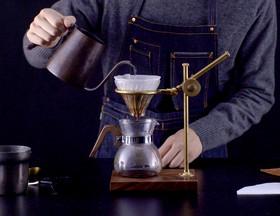
Why does the second brew of coffee taste bad? what are the reasons?
When the water constantly washes away the coffee powder, the aromatic substances are constantly released. When about 22% of the aromatic substances are taken out, if you continue to inject water, the liquid will have a miscellaneous smell, just like repeatedly squeezing the fiber of sugarcane. The soluble substances of coffee contain aromatic substances with medium and low molecular weight, as well as insoluble substances with high molecular weight, which are released first according to the rate of dissolution.

Why does coffee smell better than drink?
One day, the enchantment master made a cup of Godiva chocolate coffee to receive a friend of a friend, a beautiful graduate from Yangmei, in Beijing.

Espresso extraction time and quantity what is the difference between espresso and espresso
Professional coffee knowledge exchange more coffee bean information Please follow the coffee workshop (Wechat official account cafe_style) Guide I believe many friends have the same idea after reading the title: I think what's wrong with the title! But I can't tell you what's wrong! Isn't extra thick condensed? What is espresso? Espresso (Espresso) first appeared
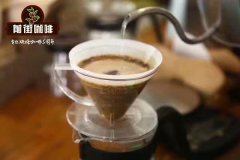
Is the coffee cup flavor wheel just a reference? the scientific engineering behind the new coffee flavor wheel?
Professional coffee knowledge exchange more coffee bean information please follow Coffee Workshop (Wechat official account cafe_style) Front Street-Coffee Flavor Wheel introduction Coffee Flavor Wheel was developed in 1995 by TED LINGLE (Ted), former president of the Fine Coffee Association of America. Made by Mr. Ringer and others. The coffee flavor wheel was born to use the same common language, in a way that everyone can understand.

Why is coffee bitter? How to make coffee less bitter?
Caffeine is the most well-known bitter ingredient in coffee, but caffeine actually accounts for only 10% of the bitter taste. This can be understood from the fact that the concentration of caffeine in roasted beans is not affected by the degree of baking, and that decaffeinated coffee also has a bitter taste. So where does the remaining 90% of the bitterness come from? One of the sources of coffee bitterness is brown pigment. Brown color
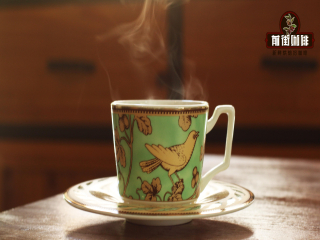
Why does the coffee smell so bad? What are the properties of the aroma and aromatic substances of coffee
When we walk into a cafe, we are easily attracted by the aroma of coffee in the air, especially when grinding coffee beans. We can't wait to order a pot to feel the aroma of coffee. However! The moment the coffee came into the mouth? What is this

SCAA Golden Cup Coffee extraction training Coffee how to brew the best?
How to brew coffee is the best to drink, and how to make coffee is the best. Today, Brista Coffee West Point training Institute will tell you the correct brewing and brewing requirements of coffee. Baristas who have been in the industry for many years know that the golden ratio of coffee brewing is [1RU 13.6-1:20]. Because this ratio range is the easiest to brew out the good taste of coffee, extract the delicious part of the coffee. This interval at the same time
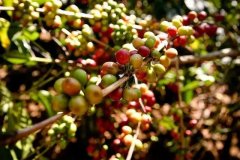
The bitterness of coffee. How did coffee bitterness come from?
Caffeine is the most well-known bitter ingredient in coffee, but caffeine actually accounts for only 10% of the bitter taste. This can be understood from the fact that the concentration of caffeine in roasted beans is not affected by the degree of baking, and that decaffeinated coffee also has a bitter taste. So where does the remaining 90% of the bitterness come from? One of the sources of coffee bitterness is brown pigment. Brown color

The source of the bitterness of coffee? Why is coffee bitter?
Everyone thinks that caffeine is the cause of the bitter taste of coffee, but in fact, caffeine accounts for only 10% of the bitter ingredients. As we said earlier, the concentration of caffeine in roasted beans is not affected by the degree of roasting, and decaf coffee also tastes bitter, so we can be sure that caffeine is not the whole cause of bitterness. So what is the other 90% bitterness?
What kind of flavor changes do light baking and moderate baking produce during baking? Between the two
Professional coffee knowledge exchange more coffee bean information please follow the coffee workshop (Wechat official account cafe_style) Qianjie Coffee brief introduction roasting when light roasting and medium roasting respectively what kind of flavor changes light roasting is more mild, so the "enzyme action" of flowers and fruit sour aroma retain the most, it is easy to smell the sour aroma of coffee. If you continue to bake,

How does hand coffee reduce the smell of filter paper? Wetting filter paper with hot water has an added benefit
Communication of professional baristas Please pay attention to the variety of coffee conditioning equipment and methods in the coffee workshop (Wechat official account cafe_style), but when it comes to "easy to use", "low price" and "brewing quality", there is probably no better way to make coffee than a combination of filter cups and filter paper. However, users of filter cups and filter paper often face a little confusion: the same type of filter.
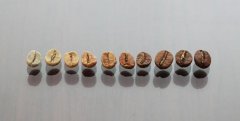
Do not drink unbaked coffee roasting degree
The heat of shallow roasting is mild, because the sour aroma of flowers and fruits is most preserved by fermentation, so it is easy to smell the sour aroma of coffee. If the baking continues, that is, from the end of the first explosion to the middle baking before the second explosion, or even the medium and deep baking from the first explosion to the second explosion, most of the sour aroma of the fermentation catalysis has been broken up, instead of the taste spectrum of the sugar browning reaction (Sugar Browning) and Mena reaction.
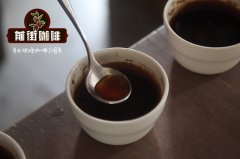
Where does coffee bitterness come from? What factors will produce coffee beans in the process of roasting and making
Professional coffee knowledge exchange More coffee bean information Please pay attention to coffee workshop (Weixin Official Accounts cafe_style) The most well-known bitter ingredient of coffee is caffeine, but the bitter taste brought by caffeine actually accounts for only 10% at most. This can be seen from the fact that roasted beans contain caffeine concentrations that are not affected by roasting, and decaffeinated coffee also has bitter tastes

The thicker the coffee powder, the better? How are you? Grinding choice of coffee beans?
Professional coffee knowledge exchange more coffee bean information please pay attention to the coffee workshop (Wechat official account cafe_style) coffee powder the thicker the better? How are you? Grinding choice of coffee beans? To brew out a pot of coffee that you are satisfied with, you have to find out the grinding particles you like. Coffee contains high molecular weight substances such as chlorogenic acid, quinic acid and caffeine that affect bitterness, as well as sweetness.

How many aromas do roasted coffee beans produce?
Nutritionist Jonny Bowden lists coffee as one of the 150 healthiest ingredients on earth and the No. 1 antioxidant food source in the American diet. Of all the ingredients and drinks, coffee is the most artistic, skillful and varied, but also controversial. Coffee's complex composition, complex production process

Is it good to grind coffee beans? How are you? Selection of grinding degree of coffee beans
Professional coffee knowledge exchange more coffee bean information please pay attention to the coffee workshop (Wechat official account cafe_style) coffee bean grinding fineness how to judge, set the espresso grinding degree to brew out a pot of coffee you are satisfied with, you must first find out your favorite grinding particles. Coffee contains high molecular weight substances such as chlorogenic acid, quinic acid, caffeine and so on.