
"processed"
59565 article(s) found

The picking and growing process of Coffee-- an introduction to the Manor of planting Environment
The process of picking and growing coffee-- planting environment, producing area manor introduction, also known as drying processing. After the coffee berries are fully ripe, they will fall from the tree. After natural drying, the coffee beans will come out of the coffee berries and become mature coffee beans. This is probably the earliest way to process coffee beans. Later, this method evolved into a drying process. This processing party

How to wash coffee beans? what are the processing methods of washing coffee beans? characteristics of washing coffee beans
Professional coffee knowledge exchange more information about coffee beans Please pay attention to the coffee workshop (Wechat official account cafe_style) washing method came into being in the 19th century, also known as wet processing. The wastewater from the treatment of raw beans is considered to be the source of pollution in the coffee industry. Today, advanced technologies are being developed in many areas to recycle and filter the waste water produced by this process. Strict

Introduction to the processing process of Coffee Bean Water washing treatment-- the flavor of the producing country describes the taste producing area
Introduction to the processing process of washing coffee beans-- description of taste in producing areas: 1. Selection of beans: put the harvested fruits in a sink filled with water and soak for about 24 hours. At this time, ripe fruit will sink, while immature and overripe fruit will float up and can be removed. 2. Remove the pulp: use a machine to remove the skin and pulp, leaving only the coffee wrapped in the endocarp.

The coffee beans treated by the sun are rich in flavor. The coffee beans treated with water are cleaner and sour.
You may have heard a saying: Japanese beans taste richer than tasty beans, and water-washed beans are more sour than dry ones. Is that really the case? The taste of coffee beans can be seen from the way coffee beans are handled. Imagine the smell of coffee from the processing process today. First of all, make one thing clear: processing process = fermented coffee beans.

Costa Rica Yellow Honey Coffee Bean Flavor Description Processing Quality Characteristics Grindness Taste Introduction
Costa Rican coffee beans introduced after many attempts, found that honey treated beans in the flavor of a great breakthrough in alcohol, sweetness and richness also increased, even the sweet aftertaste is unusual, so this method began in Costa Rica and Central America some small boutique coffee farms are promoted. With the popularization of honey treatment, its processing technology

Manual picking of coffee beans to deal with the processing process
Manual picking of coffee beans: the fresh coffee fruit after cleaning is put into a peeling machine to remove the peel and ferment: because, the peeled coffee beans are also covered with a layer of mucous membrane (also known as pectin) that cannot be dissolved in water, and the coffee beans are piled up for the fermentation process, which quickly decomposes the mucous membrane and makes it easy to be washed off by water. But

Italian steamed coffee mechanical picking and manual picking of coffee beans
The processing methods from coffee fruit to coffee beans can be roughly classified as dry processing and wet processing. Dry processing: the coffee fruit is dried and dehydrated by natural conditions such as sunlight and ventilation, and then the dried coffee fruit is put into the peeled pulp, peel and silver skin. This method is the most economical and traditional processing method, and the coffee beans treated by this method can maintain their fragrance for a long time.

Western Costa Rica Valley | Laura / Yelsa processing plant Helsar White Honey Kaddura flavor?
Professional coffee knowledge exchange more coffee bean information please follow the coffee workshop (Wechat official account cafe_style) Costa Rica western valley | Laura / Yelsa processing plant Helsar White Honey Kaddura flavor? Yelsa processing plant is one of the first micro-processing plants to be introduced to Taiwan since the revolution of micro-processing plants in Costa rica. it appeared on the market in 2007.

Coffee bean origin coffee bean planting environment
The process of natural solarization is the simplest. The fruit begins the process of sun drying without treatment after picking. This is the oldest method of treatment in existence. This method is still used in places such as Ethiopia and Brazil. Natural solarization is most common in areas where water resources are scarce. The drying process usually lasts about 4 weeks. The way to deal with it must be very
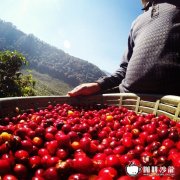
Various practices used in the manufacturing process of raw coffee beans.
I believe that when you browse the menu of individual coffee in a cafe, you will often see "washing", "sun", "honey treatment" and other descriptions about "treatment". What on earth is "Process"? "treatment" (treatment) refers to the various practices used in the production process of raw coffee beans. More specifically, it's about how to ripen coffee cherries

What is the difference between the first coffee roasting process and the second coffee roasting process?
Professional coffee knowledge exchange more coffee bean information please follow the coffee workshop (Wechat official account cafe_style) professional coffee roasting | coffee roasting is too complicated? A picture teaches you the roasting process. After the first article on coffee roasting, this time we will briefly introduce the roasting process. The process of roasting coffee is a simple metaphor. The process of roasting coffee is like popcorn.

Introduction to the treatment of coffee beans how many treatment methods are there?
In the process of washing, the peel and pulp of the fruit are treated by a special desizing machine and the coffee beans are peeled off. The coffee beans then enter the fermentation tank for fermentation treatment so that the mucous membrane is no longer sticky. The sugars in the mucous membrane are decomposed during fermentation. Depending on the fermentation method, the fermentation time is usually 12 hours to 6 days (some growers use the watering system to ferment coffee beans.

Introduction to the Flavor of different treatments of Red Honey by washing Coffee
Introduction to the flavor of different treatments of sunburn honey by washing coffee. The process of natural solarization (Natural/Dried-in-the-Fruit) is the simplest. The fruit begins the process of sun drying without treatment after picking. This is the oldest method of treatment in existence. This method is still used in places such as Ethiopia and Brazil. The natural solarization method is used in

Costa Rican Coffee Costa Rica Honey Coffee Costa Rica Ponte processing Plant
Professional coffee knowledge exchange more coffee bean information Please follow the coffee workshop (Wechat official account cafe_style) Costa Rica has a coffee history of more than 200 years. It is not only an important basis for the country's economy and people's livelihood, but also an indispensable role in the global coffee history. In the past decade, it has become popular all over the world as a micro-processing farm, in this small Central American country.

The process from a coffee bean to a cup of coffee
What's coffee? First of all, we think of a cup of strong aroma and black liquid, or a cappuccino with white foam, or a large cup of cold and refreshing iced coffee, these are all coffee, but this is not all coffee. If coffee is fully defined literally, coffee should be red coffee grown on a green shrub called coffee tree.

Coffee process Coffee Machine Manufacturing process Coffee shop opening process
Light baking (cinnamon baking) ── when the beans make the first light sound, the volume expands at the same time, and the color changes to a delicious cinnamon color. Acidity dominates the flavor of shallow roasted beans, texture and taste have not been brought into full play, generally used as canned coffee. Medium-roasted (city-baked) ── coffee beans show an elegant brown color. This method of baking is also called city roast. Medium baking

Costa Rica Brumas processing Plant | Dona Cromancia Horticultural brothel Seeds Honey treatment COE#2
Professional coffee knowledge exchange more coffee bean information please follow the coffee workshop (Wechat official account cafe_style) Costa Rica Brumas processing plant | Dona Clomancia Villa horticultural brothel honey processing COE#28 batch flavor? Beneficio Brumas del Zurqui was founded by the Rodrguez Carballo family in 1880 and is now