
"pyrazine"
79 article(s) found

Citrus acidity Burundian boutique coffee bean flavor description method grinding degree production area taste baking record
Burundian coffee bears a striking resemblance to neighboring Rwanda, where coffee from the two countries is often confused. Burundian coffee is mainly grown in bourbon, with traditional wet processing of coffee cherries. Its boutique coffee is characterized by elegant sweetness and bright citrus aromas. This batch belongs to the bourbon species micro-batch country: Burundian growth: 1750 meters

What is the plum sodium reaction? Roasted coffee beans
Mena responded that recently more and more coffee shops have set up a roaster in front of the store to bake by themselves, so that they can not only save costs but also control their own quality. So walking on the street, you can often smell the unique aroma of roasted coffee beans, including the burning blue smoke smell of plant fibers, the sweet smell of cream, the brown smell of toast, and so on.

Geographical location of East African Coffee in Burundi characteristics and defects of Burundian Coffee
Burundi is a small country, about the size of Maryland. Coffee-growing areas are concentrated in the northern centre of the country, extending northward from the centre of the country to the Rwandan border (including Kitga, Kaluzi, Kayanza, Kirundo, Muyinga and Ngozi provinces). In the northern mountains of a small landlocked country, specialty coffee is becoming a source of hope and opportunity. Ngozi area is high above sea level

What is the effect of coffee roasting on the interior of coffee? What's Mena's reaction?
Professional coffee knowledge exchange more coffee bean information please follow the coffee workshop (Wechat official account cafe_style Mena reaction | Maillard Reaction Mena reaction requires two very important raw materials: protein, and reducing sugar (reducing sugar). A chemical reaction requires energy, or a reaction enzyme, to help with the reaction, while the Mena reaction is a reaction that does not need to be reversed.

"Coffee Science" Mena reacts deeply baking Italian coffee beans with milk bubbles.
Mena responded that recently more and more coffee shops have set up a roaster in front of the store to bake by themselves, so that they can not only save costs but also control their own quality. So walking on the street, you can often smell the unique aroma of roasted coffee beans, including the burning blue smoke smell of plant fibers, the sweet smell of cream, the brown smell of toast, and so on.

What products will be produced by the baked caramelization reaction? What happens to excessive caramelization and insufficient caramelization?
Professional Coffee knowledge Exchange more coffee bean information Please follow the coffee workshop (Wechat official account cafe_style) the front street coffee briefly describes the caramelization reaction [caramelization reaction] the sugar in coffee beans undergoes caramelization at about 170 to 200 ℃, which is exactly the melting point of sucrose (185 ℃) and the temperature of the explosion stage when coffee beans are roasted. Products of caramelization reaction
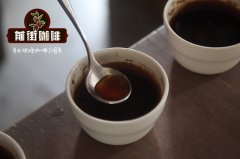
The difference between "Mena reaction" and "caramelization" in the baking process
Professional coffee knowledge exchange more coffee bean information please follow the coffee workshop (Wechat official account cafe_style) Mena reaction wins caramelization Mena reaction refers to a series of monosaccharide carbohydrates (glucose, fructose, maltose, arabinose and lactose) and proteins (amino acids) through a series of degradation and polymerization, the color will also become darker, 1912 by the French scientist Mena

The origin of caramelization of the attractive aroma of coffee
Why do you love coffee so much? apart from the refreshing effects of caffeine, I think the reason why people and thousands of coffee fans often miss coffee is its charming aroma, so where does it come from? The important thing is that coffee beans are rich in a variety of raw materials, which produce a variety of reactions after baking, resulting in an attractive aroma. The two most important responses are
Effects of regulation of sugars and amino acids on aroma components of coffee before roasting
The aroma compounds of coffee beans are mainly formed by a series of complex aroma formation reactions when the aroma precursors in coffee beans are heated.

Introduction to the description of price and flavor in the producing area of Arabica coffee beans
Arabica coffee beans hand-made characteristics price flavor description of coffee is blessed with a large and complex variety of chemicals, in addition to the above-mentioned compounds there are other organic acids, inorganic acids, plant bases and so on. Not only the sweet and beautiful ingredients, some slightly bitter compounds make the coffee flavor have a wider level and change, and work together to create the unique abundance of coffee.
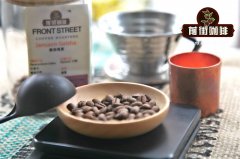
Changes in the roasting process of coffee beans changes occurred before and after roasting
Professional coffee knowledge exchange more coffee bean information Please pay attention to the volatile and non-volatile compounds in the coffee workshop (Wechat official account cafe_style) you may have heard that volatile and non-volatile compounds are produced during roasting. Generally speaking, volatile compounds are aroma, and non-volatile compounds are flavors. But what kind of substances are these? Volatile compounds
Coffee intelligent AI robot enters the coffee industry favored by the capital market in the coffee bar.
Professional coffee knowledge exchange more coffee bean information please follow the coffee workshop (Wechat official account cafe_style) Mena reaction wins caramelization Mena reaction refers to a series of monosaccharide carbohydrates (glucose, fructose, maltose, arabinose and lactose) and proteins (amino acids) through a series of degradation and polymerization, the color will also become darker, 1912 by the French scientist Mena
Coffee roasting knowledge sharing, roasting will produce volatile and non-volatile compounds
Professional coffee knowledge exchange more coffee bean information Please pay attention to the coffee workshop (Wechat official account cafe_style) roasting will produce volatile and non-volatile compounds, generally speaking, volatile compounds are aroma, non-volatile compounds are flavor. Volatile compounds are organic chemicals with high vapor pressure at room temperature, many of which are in degradation.
The influence of the water content of coffee beans and the external environment on the formation of spices during roasting
The aromatherapy compounds of coffee beans are mainly produced by a series of complex aromatherapy reactions during the roasting period.

How does the aroma of coffee come out? the strong aroma of coffee beans is fried just right.
Professional coffee knowledge exchange more coffee bean information please follow the coffee workshop (Wechat official account cafe_style) front street-coffee aroma source introduction 1 caramel reaction the sugar in coffee beans caramel reaction at about 170 to 200 ℃, which is exactly the melting point of sucrose [185 ℃], the temperature of the explosion stage when coffee beans are roasted. The product of caramel reaction is divided into two parts: the dehydration of a sugar.
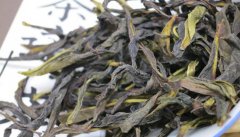
What does it mean to kill in the production process of duck shit incense single fir? How to kill tea leaves to share the principle?
When the green tea manufacturer retains the tea to keep it green, all aroma activities that take place during the withering stage of the tea will cease. In the world of fruits and vegetables, this reaction, known as enzymatic browning, affects many foods, including bananas, avocados, potatoes and apples. If you cut the potato, in a few minutes, outside
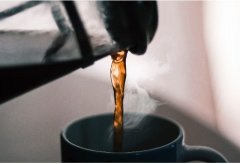
How do you get the aroma of coffee beans? How do we perceive the aroma of coffee? Those compounds produce aromas.
What produces the aroma of coffee? To understand chemistry we drink coffee in order to enjoy its unique flavor and rich aroma. When we pour or sip espresso, it is reminiscent of chocolate, caramel, almonds, fruits and flowers. But what happened at the chemical level? Each sensory characteristic is the result of chemical and biological reactions. Please read on to learn more about production

How to make the perfect cold coffee? What factors should we pay attention to?
Analysis of how to make the perfect cold-brewed coffee Regarding the choice of coffee beans, we can certainly classify coffee roughly according to its origin. For example, African coffee usually has fruit aromas such as blueberry and lemon, while Brazilian coffee has nutty, earthy and cocoa aromas. However, it is difficult to accurately define the taste characteristics of a particular variety of coffee based solely on its origin. From Kerry RDA
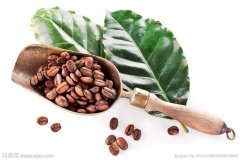
Why does coffee smell so good? Why is the aroma so strong when grinding coffee?
Caramel reaction once ordered a cup of Guatemala-Huehuetenango near the Kaohsiung Cultural Center and spent a beautiful afternoon with "my Adventure" (My Life As An Explorer by Sven Hedin). After drinking coffee, I accidentally found that the dry coffee stains at the bottom of the cup were arranged into interesting patterns, so I picked it up to see if I could see the next issue.

Characteristics of hand-made price of Arabica coffee beans introduction of manor varieties by treatment method in producing areas
Arabica Coffee Bean hand-made Price characteristics of Arabica Coffee beans the most common thing between tin pickup and bourbon is the need for shade tree protection. If there is no shade tree to help it block the sun, not only is not conducive to its growth, the flavor of coffee beans produced is also greatly reduced because among the many beans in Espresso, high-quality robusta coffee beans can make Espresso show