
"resume"
646 article(s) found

Boutique Coffee Coffee from Venezuela
The distinctive manor coffee comes from this oil-rich country. Oil was once considered to be the main export of Venezuela. Although coffee trees were introduced from Martinique in 1730 and Venezuela, coffee production was almost abandoned at the height of the oil industry. Recently, coffee plantations have begun to recover, with the original planting of Tipica and

The characteristics of Venezuelan coffee with different tastes introduce fine coffee
The characteristics of Venezuelan coffee: Venezuelan coffee taste is different from other coffee in Latin America, it is delicious, light, less sour than traditional coffee, which makes it not only blended but also unique. Flavor: rich and delicious fruit flavor suggested baking method: medium to deep roasting, multi-purpose ★★: good Venezuelan coffee market: at present

The coffee producing area of Venezuela.
Venezuela introduced coffee trees from Martinique as early as 1730, but coffee production was almost abandoned at the height of the oil industry. Recently, coffee plantations have begun to recover, with original Tipica and bourbon coffee trees and new plantations laying the foundation for coffee exports.

Introduction to the delicious and light flavor of Venezuelan coffee beans
The best coffee names in Venezuela are: Montebello in San Cristobal (San Cristbal de Tachira) in Tazira, Miramar in Rubio (Rubio de Tachira) in Tazira, Granija in Timothe (Timote de Merida) in Merida, and Santa Ana in Tacira (San)

Malagasy coffee has a balance of sour and sweet.
Madagascar is a floating country in the Indian Ocean of Africa and is the fourth largest island in the world. The island is 1.6 times the size of Japan. Independence from France in 1960. It is said to be the smallest continent in the world, with its own flora and fauna, and a treasure trove of biodiversity. Arabica coffee from Madagascar is a type of bourbon, which was introduced by French missionaries in the mid-19th century.

Coffee knowledge Coffee producing area Venezuela
The distinctive manor coffee comes from this oil-rich country. Oil was once considered to be the main export of Venezuela. Although coffee trees were introduced from Martinique in 1730 and Venezuela, coffee production was almost abandoned at the height of the oil industry. Recently, coffee plantations have begun to recover, with the original planting of Tipica and

Introduction of excellent Venezuelan Coffee with Special Flavor
The characteristics of Venezuelan coffee: Venezuelan coffee taste is different from other coffee in Latin America, it is delicious, light, less sour than traditional coffee, which makes it not only blended but also unique. Flavor: rich and delicious fruit flavor suggested baking method: medium to deep roasting, multi-purpose ★★: good Venezuelan coffee market: at present
Coffee producing area-Venezuela
Oil was once considered to be the main export of Venezuela. Although coffee trees were introduced from Martinique in 1730 and Venezuela, coffee production was almost abandoned at the height of the oil industry. Recently, coffee plantations have begun to recover, with original Tipica and bourbon coffee trees and new plantations laying the foundation for coffee exports.
Coffee beans America Venezuela
The distinctive manor coffee comes from this oil-rich country. Oil was once considered to be the main export of Venezuela. Although Venezuela introduced coffee trees from Martinique as early as 1730, coffee production was almost abandoned at the height of the oil industry. Recently, coffee plantations have begun to recover, the original planting of Tipica and Bo
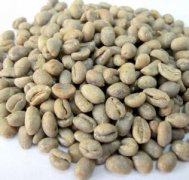
Global Coffee producing area Venezuela Coffee Market
Venezuela introduced coffee trees from Martinique as early as 1730, but coffee production was almost abandoned at the height of the oil industry. Recently, coffee plantations have begun to recover, with original Tipica and bourbon coffee trees and new plantations laying the foundation for coffee exports.

Flavor description of Yejia Feiwoca Coffee beans; description of taste and flavor in producing areas
For the exchange of professional baristas, please follow the coffee workshop (Wechat official account cafe_style) Yegashev Coffee Farmers Union Cooperative Yirgacheffe Coffee Farmers Cooperatives Union (YCFCU) Yegashev Coffee Farmers Union Cooperative (YCFCU) represents 26 cooperatives in the Gedeo district of southern Ethiopia, located in Yegashev, Jettip,

Venezuela, the producer of fine coffee in the world.
The distinctive manor coffee comes from this oil-rich country. Oil was once considered to be the main export of Venezuela. Although coffee trees were introduced from Martinique in 1730 and Venezuela, coffee production was almost abandoned at the height of the oil industry. Recently, coffee plantations have begun to recover, with the original planting of Tipica and

Venezuelan Coffee Plantation introduces the treatment of boutique coffee
One of the many plantations in Merida at the foot of the Andes belongs to the Pablo and Pulido families, an ancient farm that has been allowed to downsize. Since taking over the farm in the early 1980s, the Pulido family has harvested coffee from existing bourbon coffee trees and planted new tree species.

Is the hybrid between Arabica and Luodou fine coffee? what does the market think of hybrid coffee?
Changing weather patterns, pests, deforestation and rising temperatures are just some of the environmental factors that threaten global coffee production. It is estimated that by 2050, we may lose as much as 40% of our arable land to grow coffee, making today's coffee industry face unprecedented challenges. One possible solution to the above problems is to switch to new hybrids, these products
Very distinctive manor coffee Venezuela
The distinctive manor coffee comes from this oil-rich country. Oil was once considered to be the main export of Venezuela. Although coffee trees were introduced from Martinique in 1730 and Venezuela, coffee production was almost abandoned at the height of the oil industry. Recently, coffee plantations have begun to recover, with the original planting of Tipica and

Venezuela's distinctive manor coffee
The distinctive manor coffee comes from this oil-rich country. Oil was once considered to be the main export of Venezuela. Although coffee trees were introduced from Martinique in 1730 and Venezuela, coffee production was almost abandoned at the height of the oil industry. Recently, coffee plantations have begun to recover, with the original planting of Tipica and

Guatemala Antigua Coffee Guatemala Coffee Vivette Nan Fruit area Black Angel Manor
Professional barista exchange please follow the coffee workshop (Wechat official account cafe_style) Guatemala Huehuetenango El Guisquilar Guatemala Vivetnam fruit black angel manor washing shallow half-pound upperclassman's experience: Guatemala Vivetnam fruit producing area seniors quite like, but recently often can not find a good manor, the smoky smell is too heavy and distressing

Coffee origin Venezuela's very characteristic manor coffee
The distinctive manor coffee comes from this oil-rich country. Oil was once considered Venezuela's main export. Although coffee trees were introduced from Martinique as early as 1730 and Venezuela, coffee production was almost abandoned during the heyday of the oil industry. Coffee plantations have recently begun to revive, with the original plantations of Tipica and
Basic knowledge of boutique coffee Venezuelan coffee
Venezuela introduced coffee trees from Martinique as early as 1730, but coffee production was almost abandoned at the height of the oil industry. Recently, coffee plantations have begun to recover, with original Tipica and bourbon coffee trees and new plantations laying the foundation for coffee exports.