
"sowing"
998 article(s) found

Planting environment of coffee trees in Panama
Growing environment Panama is a small country located in the center of the American continent. The waters of the Atlantic and Pacific oceans flood its beaches. Panama is located at 9 degrees north latitude, the meeting point of the Central Mountains, where Mount Baru, one of the highest volcanoes in Central America, is located. The Baru volcano has an altitude of more than 11400 feet, and the land around it is rich in nutritious and fertile soil.

Introduction to the planting Environment of Panamanian Coffee
Growing environment Panama is a small country located in the center of the American continent. The waters of the Atlantic and Pacific oceans flood its beaches. Panama is located at 9 degrees north latitude, the meeting point of the Central Mountains, where Mount Baru, one of the highest volcanoes in Central America, is located. The Baru volcano has an altitude of more than 11400 feet, and the land around it is rich in nutritious and fertile soil.

Characteristics of Panamanian coffee beans Panamanian coffee tastes
Panama is a small country located in the center of the American continent. The waters of the Atlantic and Pacific oceans flood its beaches. Panama is located at 9 degrees north latitude, the meeting point of the Central Mountains, where Mount Baru, one of the highest volcanoes in Central America, is located. Baru volcano has an altitude of more than 11400 feet, and the land around it is rich in nutritious and fertile soil, which is unique to Panama.

Panamanian coffee
The microclimate of the Panamanian highlands is the most important resource that makes Panamanian coffee unique. The most important resource that makes Panamanian coffee unique is its microclimate. The east-west environment of the Republic of Panama allows cold air to flow through the Central Mountains and converge above 6500 feet, creating a variety of microclimates in the Boquete and Volcn Candela regions.

Characteristics of planting environment of coffee beans in Panama
Growing environment Panama is a small country located in the center of the American continent. The waters of the Atlantic and Pacific oceans flood its beaches. Panama is located at 9 degrees north latitude, the meeting point of the Central Mountains, where Mount Baru, one of the highest volcanoes in Central America, is located. The Baru volcano has an altitude of more than 11400 feet, and the land around it is rich in nutritious and fertile soil.

The characteristics, culture and origin of Panamanian coffee beans
Panama is a small country located in the center of the American continent. The waters of the Atlantic and Pacific oceans flood its beaches. Panama is located at 9 degrees north latitude, the meeting point of the Central Mountains, where Mount Baru, one of the highest volcanoes in Central America, is located. Baru volcano has an altitude of more than 11400 feet, and the land around it is rich in nutritious and fertile soil, which is unique to Panama.

Introduction to the proportion of Water and Powder of small Coffee beans in Yunnan
The ratio of water to powder of small coffee beans in Yunnan brand introduction the growth and development of coffee is closely related to climatic and environmental conditions. In the areas where the wind is strong, the temperature is high, the light is strong, and the soil is easy to dry, the axillary buds of plant branches tend to differentiate into flower buds, and the growth of branches is small, which is easy to cause premature senescence. Therefore, it is necessary to choose a place with quiet wind, high humidity and short light as a garden. Small grains of coffee need water.

Panamanian coffee growing environment
The microclimate of the Panamanian highlands is the most important resource that makes Panamanian coffee unique. The most important resource that makes Panamanian coffee unique is its microclimate. The east-west environment of the Republic of Panama allows cold air to flow through the Central Mountains and converge above 6500 feet, creating a variety of microclimates in the Boquete and Volcn Candela regions.

Planting environment of Panamanian coffee growing environment Panamanian coffee producing area
Growing environment Panama is a small country located in the center of the American continent. The waters of the Atlantic and Pacific oceans flood its beaches. Panama is located at 9 degrees north latitude, the meeting point of the Central Mountains, where Mount Baru, one of the highest volcanoes in Central America, is located. The Baru volcano has an altitude of more than 11400 feet, and the land around it is rich in nutritious and fertile soil.

The taste of Panamanian coffee the characteristics of Panamanian coffee beans
Panama is a small country located in the center of the American continent. The waters of the Atlantic and Pacific oceans flood its beaches. Panama is located at 9 degrees north latitude, the meeting point of the Central Mountains, where Mount Baru, one of the highest volcanoes in Central America, is located. Baru volcano has an altitude of more than 11400 feet, and the land around it is rich in nutritious and fertile soil, which is unique to Panama.

Which kind of small seed seeder is good for large seeds of coffee beans?
Coffee beans large seed small seed seeder seed selection Coffee mother tree fully mature, fruit shape is normal, full, the same size, with two seeds of fruit. To remove the peel of the selected fruit, you must be careful to prevent the seeds from being damaged and affect the germination rate, then put the peeled seeds in a ventilated and cool place to dry, and the seed shell can be stored after whitening.

Characteristics of Panamanian coffee beans Panamanian coffee tastes rosy summer coffee
Panama is a small country located in the center of the American continent. The waters of the Atlantic and Pacific oceans flood its beaches. A Panama is located at 9 degrees north latitude, the confluence point of the Central Mountains, where Mount Baru, one of the highest volcanoes in Central America, is located. Baru volcano has an altitude of more than 11400 feet, and the land around it is rich in nutritious and fertile soil, which is unique to Panama.

Sharing of planting techniques of Coffee trees
1. Cultivate strong coffee seedlings. 1. the choice of nursery land is close to water source, convenient for transportation, loam or sandy loam with loose and fertile soil, deep soil layer and good drainage, paddy field with PH value of 66.5 or early nursery land, and close to coffee garden. Turn over the depth of the ground by 0.200. 30 meters, after hoing and removing stones, the ridge soil moisture is 1.01.2 meters wide. 2 meters, about 10 meters long, and apply rotten and finely crushed soil moisture

Panamanian coffee growing environment
Growing environment Panama is a small country located in the center of the American continent. The waters of the Atlantic and Pacific oceans flood its beaches. Panama is located at 9 degrees north latitude, the meeting point of the Central Mountains, where Mount Baru, one of the highest volcanoes in Central America, is located. The Baru volcano has an altitude of more than 11400 feet, and the land around it is rich in nutritious and fertile soil.
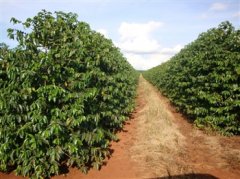
Coffee cultivation techniques for cultivating strong seedlings of Coffee
Coffee cultivation techniques 1, cultivate strong coffee seedlings 1, nursery site selection close to water sources, convenient transportation, loose and fertile soil, deep soil layer, well-drained loam or sandy loam, paddy field with pH 66.5 or early nursery land, and close to coffee garden. Turn over the depth of the ground by 0.200. 30 meters, after hoing and removing stones, the ridge moisture width is 1.01. 2 meters, about 10 meters long, and in the soil moisture

Introduction to the flavor and taste characteristics of Panamanian coffee with various flavors
Panamanians like to be close to each other when they talk. They think it's natural to be close to each other, otherwise they are suspected of being cold to each other. They have some sign language, such as kissing fingertips to express praise. [13] when friends meet in Panama, they greet each other according to the time of the meeting. Good morning, good afternoon, good night, hello, nice to meet you, and so on. Greetings at the same time, between male friends

Coffee cultivation techniques General knowledge of Coffee planting
1. Cultivate strong coffee seedlings. 1. the choice of nursery land is close to water source, convenient for transportation, loam or sandy loam with loose and fertile soil, deep soil layer and good drainage, paddy field with PH value of 66.5 or early nursery land, and close to coffee garden. Turn over the depth of the ground by 0.200. 30 meters, after hoing and removing stones, the ridge soil moisture is 1.01.2 meters wide. 2 meters, about 10 meters long, and apply rotten and finely crushed soil moisture

Panamanian coffee flavor characteristics of Panamanian coffee
The microclimate of the Panamanian highlands is the most important resource that makes Panamanian coffee unique. The most important resource that makes Panamanian coffee unique is its microclimate. The east-west environment of the Republic of Panama allows cold air to flow through the Central Mountains and converge above 6500 feet, creating a variety of microclimates in the Boquete and Volcn Candela regions.

Panamanian coffee origin Panamanian coffee processing
The microclimate of the Panamanian highlands is the most important resource that makes Panamanian coffee unique. The most important resource that makes Panamanian coffee unique is its microclimate. The east-west environment of the Republic of Panama allows cold air to flow through the Central Mountains and converge above 6500 feet, creating a variety of microclimates in the Boquete and Volcn Candela regions.

Panama Coffee Plantation Panama Coffee Region
The microclimate of the Panamanian highlands is the most important resource that makes Panamanian coffee unique. The most important resource that makes Panamanian coffee unique is its microclimate. The east-west environment of the Republic of Panama allows cold air currents to flow through the central mountains and converge above 6500 feet, thus creating a variety of microclimates in the Boquete and Volcn Candela regions.