
"supremacy"
270 article(s) found
What is the origin and history of coffee? How does coffee spread?
The origin of coffee the origin of coffee has not been examined. One of the many legends refers to the highlands of the province of Kafa, southwest of Sobi, where coffee originated. It is said that more than a thousand years ago, after a shepherd discovered that sheep ate a plant, it became very healthy, and coffee was discovered. There is also a way to burn a coffee forest due to a wildfire, and the aroma of roasted coffee is caused by the smell of roasted coffee.

Peruvian Fine Coffee Flavor and taste the manor area introduces Peruvian organic coffee
Peru is also a big coffee producer. Up to 98% of Peruvian coffee is grown in forest areas, and most producers are small farmers. Coffee is high-quality and balanced and can be used for mixed drinks. Peru has good economic conditions and a stable political situation, thus ensuring the good quality of coffee. In the mid-1970s, Peru produced about 900000 bags of coffee a year, and then continued.

Peruvian coffee flavor and taste Peruvian organic coffee boutique coffee beans Peruvian coffee beans
Peru is also a big coffee producer. Up to 98% of Peruvian coffee is grown in forest areas, and most producers are small farmers. Coffee is high-quality and balanced and can be used for mixed drinks. Peru has good economic conditions and a stable political situation, thus ensuring the good quality of coffee. In the mid-1970s, Peru produced about 900000 bags of coffee a year, and then continued.

The market of Peruvian coffee, a brief introduction to Peruvian coffee
Following caf é (Wechat official account vdailycom) found that Beautiful Cafe opened a small shop of its own as a rising star in the coffee industry, Peruvian coffee is gradually opening its popularity and entering the international market. Peruvian coffee has always been used as one of the stable and mellow mixed beans of comprehensive coffee. Peruvian coffee has a mellow taste and proper acidity.

Description of flavor characteristics of Peruvian coffee beans and planting conditions of Peruvian coffee producing area
Peruvian coffee, famous for its organic coffee. Peru (Spanish: Per; Quechua, Aymara: Piruw), the full name of the Republic of Peru (Spanish: Repblica del Per), is a country in western South America. Flavor and taste characteristics: high quality and balanced, palatable acidity, can be used to blend coffee Peru is a coffee-rich country with only 10% of Arabica
A brief introduction to the cultivation of fine coffee varieties in Peru, climate and altitude production
Peruvian coffee has a soft sour taste, medium texture, good taste and aroma, and is an indispensable ingredient in the production of comprehensive coffee. High-quality Peruvian coffee, with a strong aroma, smooth, layered, full-bodied and sweet, with elegant and mild sour taste, will quietly awaken your taste buds. Peru's best coffee is produced in Chaximayo, Cusco, Nott and Puno. Most of

History of coffee cultivation in Peru Introduction to Peruvian fine coffee beans Flavor Taste Manor producing areas
Peru's coffee cultivation is planned, which greatly increases coffee production. Peruvian coffee tastes mellow, acidity is appropriate, this tepid coffee attitude has made more and more people like it. Peruvian coffee has long been used as one of the blend beans for coffee stability, its rich acidity and mellow smoothness being its most striking characteristics. Peruvian coffee

Introduction of Peruvian coffee bean varieties Peruvian organic coffee boutique coffee beans
Peruvian coffee cultivation history is not long, but as a rising star, Peruvian coffee is gradually opening up its popularity and entering the international market. Peru is located in western South America, with a coastline of 2254 kilometers. The Andes runs from north to south, and the mountains account for 1% of the country's area. it belongs to the tropical desert region with a dry and mild climate. Peruvian coffee is mostly grown at the foot of the Andes, where it is abundant.

Introduction to the characteristics of Peruvian Organic Coffee Flavor and Fine Coffee beans
Peru's finest coffee is produced in Chaximayo, Cusco, Note and Puno. Most Peruvian coffee is grown under natural conditions, but it is also difficult to confirm the cultivation of all coffee trees. Coffee grown under natural conditions costs 10% more than others and is exported to the United States and Japan. The quality of Peruvian coffee is comparable to that of any kind of coffee in Central or South America. Peru

Peruvian boutique coffee flavor taste manor production area introduces Peruvian coffee brands
Peruvian coffee cultivation history is not long, but as a rising star, Peruvian coffee is gradually opening up its popularity and entering the international market. Peru is located in western South America, with a coastline of 2254 kilometers. The Andes runs from north to south, and the mountains account for 1% of the country's area. it belongs to the tropical desert region with a dry and mild climate. Peruvian coffee is mostly grown at the foot of the Andes, where it is abundant.

2017 World Coffee Cup Test Champion "Chen Le (Chan Lok)"
Chan Lok, the winner of the 2017 World Coffee Cup Test, has an exclusive interview with Juan Gabriel Cespedes, the World Cup champion who lost his third challenge in Budapest in the past two years. Who shook his dominance this time? There is no doubt that this year's new contestants are eager to try and have a strong momentum. And the new champion of the testing God of the defeat Cup is from Hong Kong C.

Organic Peruvian coffee with balanced taste Description of the region Characteristics of fine coffee beans Introduction
The quality of Peruvian coffee is comparable to any coffee from Central or South America. Flavor: balanced taste, good acidity Roasting: medium to deep roasting, making a good blend of coffee suitable for all uses Market for general Peruvian coffee: The private Comerade Export adores de Cafedel Peru was established, with

Rich and sweet Peruvian organic coffee flavor manor introduction Peruvian coffee characteristics boutique coffee beans
Peruvian coffee cultivation history is not long, but as a rising star, Peruvian coffee is gradually opening up its popularity and entering the international market. Peru is located in western South America, with a coastline of 2254 kilometers. The Andes runs from north to south, and the mountains account for 1% of the country's area. it belongs to the tropical desert region with a dry and mild climate. Peruvian coffee is mostly grown at the foot of the Andes, where it is abundant.

High quality and balanced Peru: introduction of Organic Coffee to Peruvian Coffee producing countries
Peru: organic coffee flavor and taste characteristics: high quality and balanced, palatable acidity, can be used for mixed drinks, Peruvian coffee does not have a long history, but as a rising star, Peruvian coffee is gradually opening up its popularity and entering the international market. Peru is located in western South America, with a coastline of 2254 kilometers. The Andes runs from north to south, and the mountains account for 1% of the country's area. it belongs to the tropics.

Flavor and taste characteristics of Peruvian organic coffee
Following Cafe Review (official Wechat account vdailycom) found that Beautiful Cafe opened a small shop of its own flavor and taste characteristics: high quality and balanced, palatable acidity, can be used for mixed drinks, Peruvian coffee does not have a long history, but as a rising star, Peruvian coffee is gradually opening up its popularity and entering the world. Peru is located in western South America, with a coastline of 2254 kilometers.

The good Peruvian coffee brand of Peruvian organic coffee introduces the flavor of Peruvian boutique coffee manor.
Peruvian coffee cultivation history is not long, but as a rising star, Peruvian coffee is gradually opening up its popularity and entering the international market. Peru is located in western South America, with a coastline of 2254 kilometers. The Andes runs from north to south, and the mountains account for 1% of the country's area. it belongs to the tropical desert region with a dry and mild climate. Peruvian coffee is mostly grown at the foot of the Andes, where it is abundant.

Introduction to Peruvian boutique coffee beans in Peru, a coffee producer with a short history of growing coffee
Peruvian coffee cultivation history is not long, but as a rising star, Peruvian coffee is gradually opening up its popularity and entering the international market. Peru is located in western South America, with a coastline of 2254 kilometers. The Andes runs from north to south, and the mountains account for 1% of the country's area. it belongs to the tropical desert region with a dry and mild climate. Peruvian coffee is mostly grown at the foot of the Andes, where it is abundant.
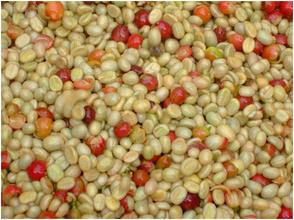
American Fine Coffee Peruka Hamaka producing area Sunshine Cooperative easy to wash and treat Fine Coffee
Peruvian coffee is of high quality and balanced and can be used for mixed drinks. Peru (Peru) is also a big coffee producer. Up to 98% of Peruvian coffee is grown in forest areas, and most producers are small farmers. Peru has good economic conditions and a stable political situation, thus ensuring the good quality of coffee. However, there are many local problems, except guerrilla warfare and drug trafficking.

Peruvian coffee with elegant and mild acidity Introduction Peruvian coffee production area Introduction
Peru's coffee cultivation is planned, which greatly increases coffee production. Peruvian coffee tastes mellow, acidity is appropriate, this tepid coffee attitude has made more and more people like it. Peruvian coffee has long been used as one of the blend beans for coffee stability, its rich acidity and mellow smoothness being its most striking characteristics. Peruvian coffee

Introduction of Peruvian boutique coffee bean flavor and taste manor area
Independence was declared on July 28, 1821, and the Republic of Peru was established. On October 28, 1835, Bolivia and Peru formally merged, known as the Confederacy of Peru and Bolivia. On February 20, 1839, the Confederacy completely disintegrated. Slavery was abolished in 1854. From 1879 to 1883, Peru joined Bolivia and Chile in the South American Pacific War for saltpeter production. After Peru's defeat, Chile captured the world.