
"texi"
58 article(s) found

Washing-treated Malaba coffee producing area in Rwanda-Lutesilo producing area in the western province
Rwanda has been growing coffee since colonial times. Although the crops are mainly coffee, the quality of coffee produced in Rwanda is not outstanding, and its status in the coffee world is low, and few people pay attention to it. Most of the coffee varieties grown in Rwanda are bourbon. Rwanda, known as the country of Thousand Hills, has a high-altitude mountain environment, fertile volcanic soil and abundant precipitation.

Flavor and taste characteristics of Coffee from Chimere Manor in Lutesilo, West Province of Malaba Coffee, Rwanda
In 2006, the Swedish Minister of Development and Cooperation and Deputy Minister of Foreign Affairs, Karin Jemtin (Carin Jamtin), visited Malaba to expand cooperation between Sweden and Rwanda and to promote Malaba coffee to the Swedish professional market.

Introduction of Kimmel Manor in Lute Xilo, West Province of Malaba Coffee Coffee, Rwanda
The first problem for Malaba coffee farmers is to set up a cleaning station. The coffee fruit must be transported to the cleaning station to wash the sugar under the skin of the coffee bean within 12 hours after picking, otherwise the flavor of the coffee will be greatly damaged. In July 2001, with UNR, the Ministry of Culture and Industry of Rwanda (Office des Cultures Industrielles du Rwanda,OCIR-Caf), ACD

Rwanda coffee varieties varieties Malaba coffee Western Province Lutesilo producing area
The first problem that Malaba coffee farmers solved was to set up a washing station. Coffee cherries must be transported to a washing station within twelve hours of picking to remove the sugar coating under the outer skin of the coffee beans, otherwise the flavor of the coffee will be greatly damaged. In July 2001, the Rwandan government, through UNR, the Office des Cultures Industrielles du Rwanda (OCIR-Caf), ACD,

Light-tasting Coffee Manor in Rwanda introduces Chimere Manor in Lute Xilo, Western Province.
Flavor [Flavor]: the overall impression of aroma, acidity, and mellowness. Acidity [Acidity]: the strong acidity of all coffee grown on the plateau. The sour here is different from bitterness and Sour, and has nothing to do with pH value. It refers to a fresh and lively quality that promotes coffee to exert its functions of invigorating the mind and clearing the taste. The acidity of coffee
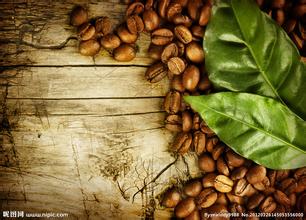
Introduction of Chimere Manor in Lutesilo, West Province, Malaba Coffee region, Rwanda
The first problem for Malaba coffee farmers is to set up a cleaning station. The coffee fruit must be transported to the cleaning station to wash the sugar under the skin of the coffee bean within 12 hours after picking, otherwise the flavor of the coffee will be greatly damaged. In July 2001, with UNR, the Ministry of Culture and Industry of Rwanda (Office des Cultures Industrielles du Rwanda,OCIR-Caf), ACD

Lutesilo producing area of the western province of Malaba coffee in Rwanda
The first problem for Malaba coffee farmers is to set up a cleaning station. The coffee fruit must be transported to the cleaning station to wash the sugar under the skin of the coffee bean within 12 hours after picking, otherwise the flavor of the coffee will be greatly damaged. In July 2001, with UNR, the Ministry of Culture and Industry of Rwanda (Office des Cultures Industrielles du Rwanda,OCIR-Caf), ACD

Classification of coffee flavor in Rwanda: an introduction to the Lutexiluo producing area in the western province
Flavor [Flavor]: the overall impression of aroma, acidity, and mellowness. Acidity [Acidity]: the strong acidity of all coffee grown on the plateau. The sour here is different from bitterness and Sour, and has nothing to do with pH value. It refers to a fresh and lively quality that promotes coffee to exert its functions of invigorating the mind and clearing the taste. The acidity of coffee

The Origin of Rwandan Coffee Flavor Flavor Manor introduction to the Chilmel Manor in the Lute Xilo region of the Western Province
Rwandans have been growing coffee since colonial times, but until 1999, its products were still classified as below Class C and were not popular in the global market. The reason for the poor quality is that farmers do not have a fixed procedure for washing coffee beans and do not process coffee fruits according to specifications in time. Buyers buy coffee beans at $0.33 per kilogram, and farmers keep warm by the meagre profits earned at low prices.

Growing in the Lutesilo region of the western province of Malaba in southern Rwanda
Malaba Coffee grows in southern Rwanda, about 12 kilometers (7 miles) from the city of Butare and 150 kilometers (93 miles) from the capital, Gejali. The plan began in the Malaba area of Butare province, but was taken over by a local government organization in 2006, which is now part of the Huye district of the southern province. Due to its proximity to the East African Rift Valley and the Neuenway Forest Mountains, the terrain

The Lutesilo producing area of the western province of Rwanda coffee beans with bright sour fruit taste.
Catimor Katim (Timor and Caturra hybrid). Was found in Portugal in 1959. The palate is obvious and easy to distinguish, bitter acid with a bit of astringency, and the finish is often salty. It is a high-yield variety with high planting density and strong resistance to leaf rust. Timor Timm (a hybrid of Arabica and Robusta found in East Timor, but closer to Arabica because of its infection

Domestic coffee in the coffee producing area of Lutexiluo in the western province
Coffee producing areas in the world there are many kinds of coffee producing area Cubita (Amber Coffee) all produced in the Crystal Mountain of Cuba, which also has a high reputation in the coffee industry. Cuban Crystal Mountain Coffee ranks among the top several in the world. Crystal Mountain is adjacent to the Blue Mountain Mountains of Jamaica, with similar climatic conditions, which is comparable to Jamaican Blue Mountain Coffee. Cubita adheres to the principle of perfect coffee and only makes individual products.

An introduction to the aroma, acidity and mellowness of coffee from Lutesilo in the western province of Rwanda
The sink technician in the process will clean the coffee immediately because the delay will ferment the sugary outer layer of the coffee beans, ruining the taste of the coffee. The coffee beans are first thrown into a deep trough, and the best quality coffee fruit goes into the bottom and passes through a machine that peels off its skin. The mechanic takes out the floating coffee fruit, processes it in the same way and allows the cooperative to compare it in the domestic market.
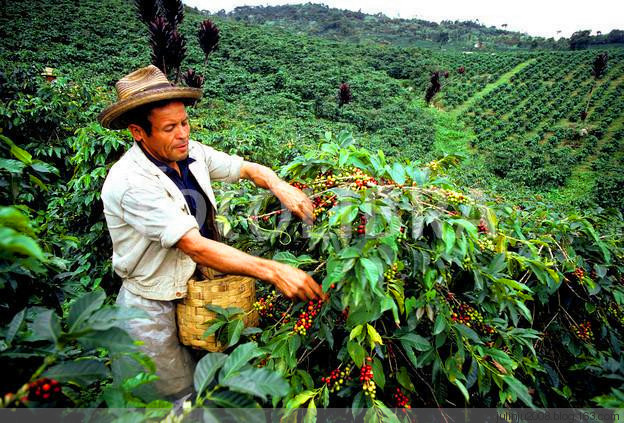
Supply Rwandan Coffee visit Rwandan Coffee Factory Red bourbon Coffee beans in Lutesilo producing area of Rwanda
Because of the dense mountains and humid climate in Rwanda, the coffee beans produced in Rwanda are rich in aroma, naturally fruity and floral. There are five major coffee producing areas in Rwanda, and the coffee produced in these five regions is slightly different in aroma and taste. The coffee from Rwanda tastes sour, but it has a lingering aftertaste. Good coffee is like Chinese tea, it feels sweet only after drinking it. Mustafa method

Boutique coffee Rwanda coffee producing area in the western province of Lutexilo
Rwandans have been growing coffee since colonial times, but until 1999, its products were still classified as below Class C and were not popular in the global market. The reason for the poor quality is that farmers do not have a fixed procedure for washing coffee beans and do not process coffee fruits according to specifications in time. Buyers buy coffee beans at $0.33 per kilogram, and farmers keep warm by the meagre profits earned at low prices.

Introduction of Lutesilo producing area in the western province of Malaba Coffee Manor, Rwanda
In early 2003, UCR distributed Malaba coffee through the Sainsburys supermarket in Sainsbury and sold it in its 350 stores until Red nose Day that year. In 2003, Abauzam Gump made a net profit of US $35000. Of this, 70% is allocated to farmers at a price of US $0.75 per kilogram.

Fine coffee Rwanda coffee producing area Western Province Lutexiluo producing area
Rwandans have been growing coffee since colonial times, but until 1999, the product was classified as below grade C and was not available on the global market. The reason for the poor quality is that farmers do not have a fixed procedure for cleaning coffee beans, and they do not process coffee fruits according to specifications in time. Buyers pay $0.33 a kilo for coffee beans, farmers keep warm on meager profits from low prices
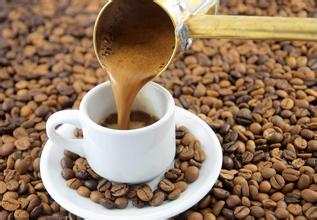
Boutique coffee Rwanda coffee producing area in the western province of Lutexilo
Rwandans have been growing coffee since colonial times, but until 1999, its products were still classified as below Class C and were not popular in the global market. The reason for the poor quality is that farmers do not have a fixed procedure for washing coffee beans and do not process coffee fruits according to specifications in time. Buyers buy coffee beans at $0.33 per kilogram, and farmers keep warm by the meagre profits earned at low prices.