Which Roast Level is Best for SOE Coffee?
How Roast Levels Influence Coffee Flavor
At FrontStreet Coffee, we often explain to customers how various factors shape the final flavor of their coffee. From harvest to brewing, every step — including drying, processing, hulling, selection, roasting, and extraction — plays a role in determining how your cup tastes. Among these, roast level is one of the most frequently asked-about topics. In this article, we’ll explore just how much impact roast degree has on coffee’s flavor profile.
The principles behind coffee roasting are rooted in chemistry. A coffee bean is made up of numerous compounds that undergo complex reactions under high heat. These chemical transformations produce the flavor compounds that define your brewed coffee. Of all the factors influencing taste, the green bean accounts for about 60%, roasting 30%, and brewing just 10%. That makes roasting a critical stage in crafting great coffee.
Two major chemical reactions occur during roasting: the Maillard reaction and caramelization. The Maillard reaction, which happens between sugars and amino acids at high temperatures, creates hundreds of flavor compounds that shape the coffee’s unique profile and color. Caramelization involves the breakdown and dehydration of sugars, leading to browning and the release of aromatic and acidic compounds. Together, these reactions define the aroma, color, acidity, sweetness, and bitterness of the final cup.
During roasting, roasters aim to balance three key flavor elements: acidity, sweetness, and bitterness. Generally speaking, the longer the roast, the less acidity remains and the more bitterness emerges. That’s why dark roasts tend to taste more bitter.
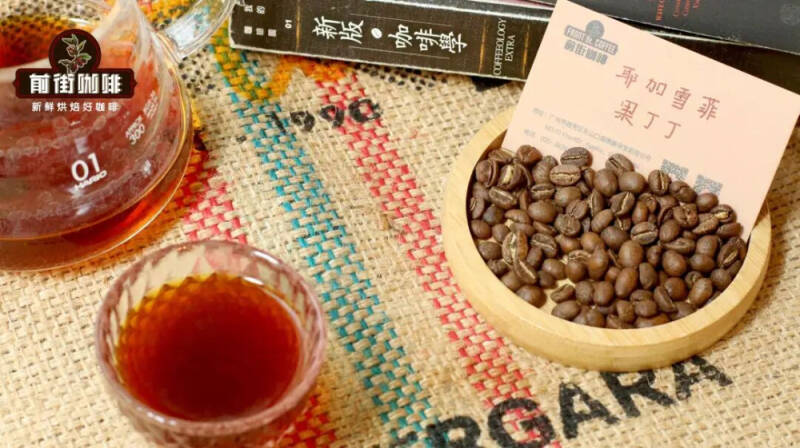
How Roast Levels Affect Coffee Flavor
Traditionally, many roasters leaned toward darker roasts to emphasize body, richness, and a more uniform flavor that masked defects. But with the rise of specialty coffee, there’s been a shift toward highlighting origin characteristics — bright, clean acidity and distinct fruit or floral notes. This has led to greater popularity of lighter-roasted single-origin beans.
Roast levels can be grouped into three broad categories: light roast, medium roast, and dark roast.
Light Roast
Light roasts typically exhibit vibrant fruitiness, with pronounced acidity and floral or citrus notes. Common descriptors include floral, citrus, berries, peach, melon, tea-like qualities, and stone fruits. An example is FrontStreet Coffee’s Gedeb Cooperative beans.
Medium Roast
Medium roasts offer nutty profiles alongside fermented or sweet characteristics. Expect notes like nuts, toasted bread, cocoa, malt, dried fruit, fermented wine, and more. A good example is FrontStreet Coffee’s Bird of Paradise beans.
Dark Roast
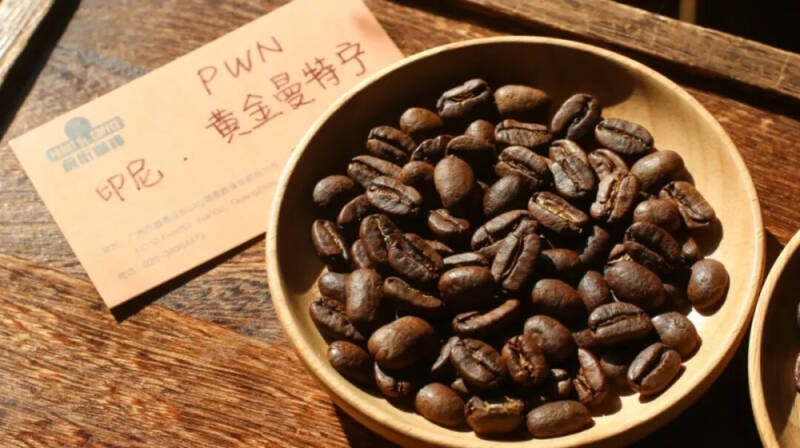
Dark roasts develop chocolatey and caramelized bitterness, with lower acidity. They often feature roasted nuts, spices, woody tones, and smoky or charred notes. FrontStreet Coffee’s PWN Golden Mandheling is a classic dark roast example.
It’s a common misconception that light roasts are simply “more acidic” and dark roasts “more bitter.” For coffee professionals, it’s more nuanced. The choice of roast level depends on the origin’s inherent flavors and the roaster’s goal of showcasing a unique cup profile. Roasters must develop specific roast curves for each bean and ensure consistency in production. Mastering roast profiles requires deep knowledge of green coffee characteristics, roasting science, and lots of hands-on experience to fully express a bean’s complexity.
What Roast Level is Best for SOE?
SOE stands for Single Origin Espresso — espresso made from a single-origin coffee bean, as opposed to a traditional espresso blend.
When blending coffees for espresso, roasters combine beans from different origins. As the roast darkens, the flavors tend to harmonize, creating a balanced and stable extraction. For instance, FrontStreet Coffee’s recently launched Autumn Chestnut Blend combines beans from Honduras and Papua New Guinea. Roasted to medium, it delivers cocoa, spice, and roasted nut flavors with a gentle acidity, resulting in a smooth and refined cup.
Single-origin beans, however, are often roasted lighter to preserve their origin-specific characteristics — such as the bright fruitiness of African coffees. While these fruity and floral notes shine in pour-over brewing, they can become overly intense and unbalanced when extracted as espresso. The same bright acids and delicate florals that make a great Yirgacheffe great in a V60 can turn harsh or overly sharp in an espresso shot.
The goal of an SOE is to highlight the distinct terroir and aroma of its origin — such as Kenya’s bold berry acidity, Jamaica Blue Mountain’s sweet chocolate and caramel, or Panama Geisha’s orange blossom and honey. But when these nuanced profiles are brewed under espresso pressure, they can either become muted or overly exaggerated, resulting in an unbalanced or unpleasant cup. That’s why crafting a great SOE is far from straightforward.
Besides roast level, dialing in the right extraction parameters is crucial. Lighter-roasted beans are denser and harder, and under-extracted shots taste flat and sour, while over-extracted ones become bitter and astringent. To find the optimal balance, roasters and baristas fine-tune variables like brew time, water temperature, grind size, dose, and yield. Now you can see why SOE brewing demands precision and expertise.
Both very light and very dark roasts can produce unpleasantly sharp or harsh results in espresso. We recommend medium roast levels or beans with more expressive yet balanced profiles. These offer both flavor complexity and stable extraction. Here are three flavor profiles to consider:
1. Bright and Crisp
Examples: FrontStreet Humbera SOE, FrontStreet Grana Geisha SOE, FrontStreet Red Cherry SOE
These beans produce espressos with lighter crema, pale yellow hues, and notes of berries, citrus, and caramel. The acidity is juicy, the body clean, and the finish smooth. When combined with steamed milk, they yield honey, nut, and creamy textures. Ideal for SOE Americanos and lattes.
2. Fermented and Bold
Examples: FrontStreet Sidra, FrontStreet Blackberry
These beans often undergo honey, anaerobic natural, or anaerobic washed processing, amplifying fruity fermentation notes. As pour-overs, they show tropical fruit, honey, and wine-like sweetness. As SOEs, they highlight intense tropical fruit flavors with rich fermentation complexity.
3. Balanced and Rich
Examples: FrontStreet Queen Manor, FrontStreet Bird of Paradise
These medium-roasted beans balance caramel sweetness with mild acidity. They offer toast, nut, and spice notes in pour-over brewing, along with a velvety mouthfeel. As SOEs, they develop hazelnut, chocolate, and sweet melon or cane sugar flavors — perfect for lattes or flat whites with silky texture.
Recommended FrontStreet SOE Beans
For excellent SOE espresso, try FrontStreet Humbera SOE, FrontStreet Grana Geisha SOE, and FrontStreet Queen Manor. Humbera SOE (medium roast) offers red berries, citrus, and floral notes with smooth crema and a balanced body, ideal for milk drinks. Grana Geisha SOE highlights bright berry acidity and fermentation brightness, with a juicy, tea-like finish. Queen Manor (medium-dark roast) delivers nutty, toasty, and chocolatey notes with sweet chocolate crema, perfect for lattes. Freshly roasted within 5 days · Orders placed before 17:00 ship the same day · Next-day delivery across most of Guangdong Province.
FrontStreet Coffee is a long-established specialty coffee roaster in Guangzhou China, selling freshly roasted beans from its own farm in Yunnan as well as dozens of carefully selected single-origin beans from around the world for both pour-over and espresso. The products deliver consistently excellent quality and great value, with shipping within 24 hours. Guangzhou's FrontStreet Coffee shop is recommended by many coffee lovers, and the beans are now available online at the Tmall 。
Important Notice :
前街咖啡 FrontStreet Coffee has moved to new addredd:
FrontStreet Coffee Address: 315,Donghua East Road,GuangZhou
Tel:020 38364473


Introduction to Xiaobai Learn the skills of drawing flowers from scratch. How to use the coffee machine steam stick to kill the milk bubbles.
Barista's professional knowledge sharing: Is there a difference between latte and piccolo and Gibraltar Cotado? What is Blue Bottle Coffee's signature milk coffee?