
Specialty Coffee Beans
Latest articles, industry insights and brewing guides

Coffee Terms Explained: What They Really Mean
Learn the true meanings of 20+ key specialty coffee terms like acidity, body, bitterness, and more. Clarify your cup.
What Is Fair Trade Coffee and Who Certifies It?
Fair trade guarantees coffee farmers a minimum price, but does it really help? Learn how certifications like Fairtrade, Organic, and Cup of Excellence work.

Brazil Coffee Beans: What Makes Them Unique?
Brazil produces 30% of the world’s coffee with low-acid, nutty profiles. Learn why it’s the go-to for espresso blends and single origins.

Where Do Coffee Beans Grow? The Coffee Belt Explained
Coffee grows best between the Tropic of Cancer and Tropic of Capricorn, at altitudes of 300–2500 meters, with ideal temps of 16–25°C. Here’s the full breakdown.

What Chemicals Are Actually in Coffee Beans?
Your coffee’s flavor, energy kick, and bitterness come from a mix of caffeine, fats, acids, and over 300 volatile compounds formed during roasting.

How to Store Coffee Beans to Keep Them Fresh
Learn the best storage methods for coffee beans and grounds to preserve freshness, including do’s and don’ts for fridge and freezer use.

How to Read Coffee Bean Labels: Origin, Roast, and More
Learn how to decode coffee bag labels—learn what single origin, blend, and roast terms really mean, plus how to read origin and grade details.

How to Taste Coffee in Three Simple Steps
Learn the three essential steps to fully appreciate coffee: smell, observe, and sip. This guide helps you taste coffee like a pro.

What Does Costa Rican Coffee Taste Like? A Global Guide
Explore the distinct flavors of Costa Rican coffee and other global origins, with roast profiles and taste notes for each.
What to Do With Used Coffee Grounds After Brewing
Used coffee grounds aren’t trash—they can deodorize, absorb moisture, and even be used in DIY skincare. Here’s how to reuse them.

How to Tell If Your Coffee Beans Are Fresh
Learn how to assess coffee bean freshness using smell, appearance, and sound. Discover what makes freshly roasted beans taste better.

The Pros and Cons of Drinking Coffee
Coffee offers benefits like fatigue relief and skin health, but also risks such as stomach irritation and bone loss. Here’s what science says.
How 10 Countries Traditionally Drink Coffee
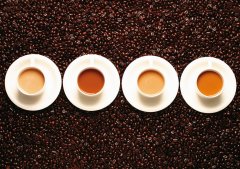
Discover how people in Italy, Turkey, Ethiopia, and 7 other countries prepare and enjoy their coffee traditionally, from espresso to spiced brews.

Why Panamanian Geisha Coffee Outranks Jamaican Blue Mountain
Learn why Panamanian Geisha coffee dethroned Jamaica Blue Mountain and Hawaii Kona as the world’s most sought-after specialty coffee.
What Is Ethiopian Yirgacheffe Coffee? Flavor & Facts
Explore Ethiopia’s Yirgacheffe coffee: vibrant floral and citrus notes, high elevation origins, and unique washed processing that defines its signature taste.
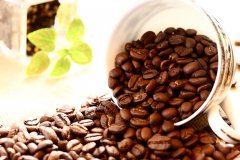
Coffee Grinding Terms Every Home Brewer Should Know
Learn the key coffee grind sizes, tools, and techniques that affect flavor extraction and freshness. Discover how grind consistency impacts your brew.

What Makes Brazilian Coffee Unique Among Global Origins
Brazil produces 30% of the world’s coffee with low-acid, nutty beans ideal for espresso and filter. Discover its dominant regions and processing methods.
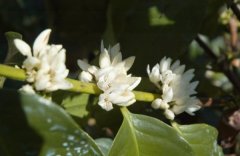
When Do Coffee Trees Bloom? First Flowers in Year Three
Coffee trees typically flower for the first time around three years after planting. Their five-petaled white blossoms smell faintly of jasmine and bloom in dense clusters.

How Coffee Bean Origin Shapes Its Flavor Profile
Explore how climate, soil, and processing create distinct flavor traits in Arabica beans from major coffee-growing regions worldwide.
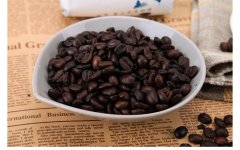
How to Use a Vibrating Screen to Sort Coffee Beans
Yes, a vibrating screen can separate coffee beans from peanuts. Learn how to choose the right mesh and equipment for accurate sorting.