
"1400"
4037 article(s) found

The wine-like sour Ethiopian coffee Yega Snow Coffee Gediyo Eastern Highland Mountains
Coffee is Ethiopia's most important export cash crop and the main source of Ethiopia's foreign exchange earnings. Ethiopia's coffee exports account for about 3% of the world market, making it the eighth largest coffee exporter in the world. Coffee exports increased steadily from 58000 tons in 1990 to 110000 tons in 1995-1996 and remained at this level in the following years. 2001-2002

Unique aromatic Ethiopian Coffee Flavor Taste introduction to Fine Coffee in Manor production area
Coffee is Ethiopia's most important export cash crop and the main source of Ethiopia's foreign exchange earnings. Ethiopia's coffee exports account for about 3% of the world market, making it the eighth largest coffee exporter in the world. Coffee exports increased steadily from 58000 tons in 1990 to 110000 tons in 1995-1996 and remained at this level in the following years. 2001-2002

How is the planting of single bean in Ethiopia? introduction to the award winning of single bean in Ethiopia
Professional baristas Please pay attention to the coffee workshop (Wechat official account cafe_style) because of the different planting methods, coffee can be divided into three types: forest-semi-forest coffee (Forest or semi-forest coffee), courtyard coffee (Garden coffee) and plantation coffee (Plantation coffee). 60% of the coffee belongs to forest-semi-forest coffee. In such a wild place

Ethiopian Coffee Flavor and Taste introduction of fine coffee beans in Ethiopian coffee producing areas
Coffee is Ethiopia's most important export cash crop and the main source of Ethiopia's foreign exchange earnings. Ethiopia's coffee exports account for about 3% of the world market, making it the eighth largest coffee exporter in the world. Coffee exports increased steadily from 58000 tons in 1990 to 110000 tons in 1995-1996 and remained at this level in the following years. 2001-2002
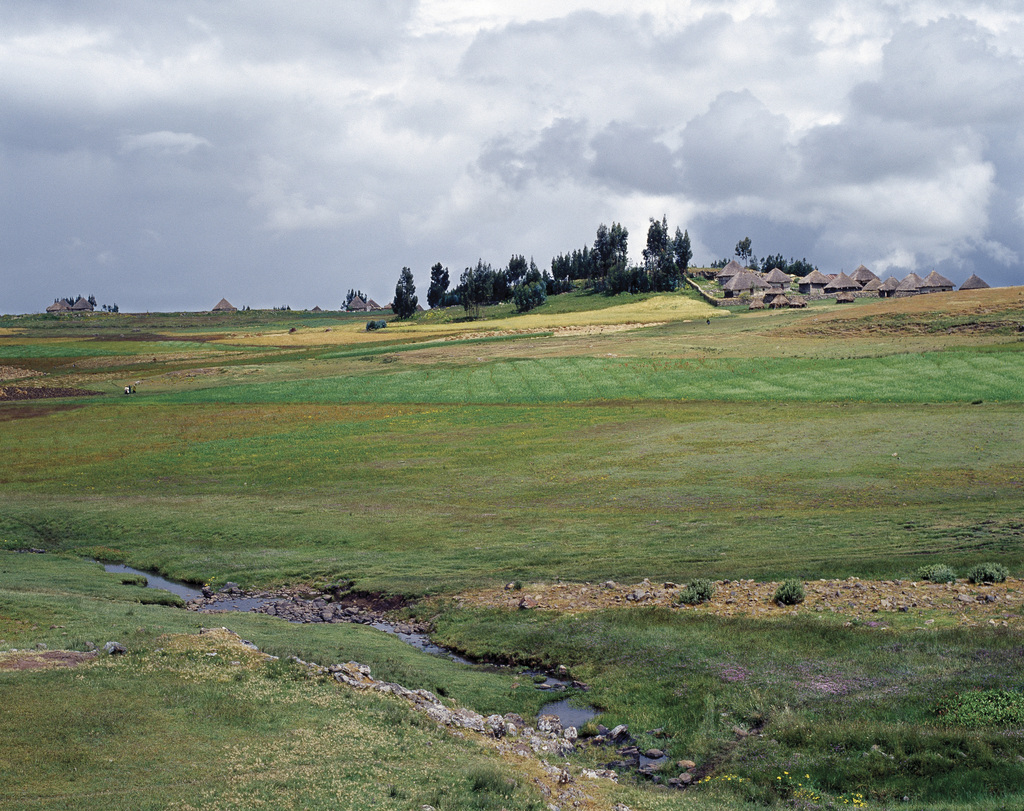
Flavor evaluation of Ethiopian coffee beans Starbucks Ethiopian varieties of coffee beans
Ethiopia is one of the major producers of Arabica coffee in Africa, producing the best Arabian coffee in the world. It is said that coffee was first discovered by shepherds in Essekafa, and the name of coffee evolved from Kafa, so Essex is still the hometown of coffee. The geographical environment of coffee production and processing is very suitable for coffee growth. Coffee is mainly cultivated.

Coffee Flavor description and Grinding degree of Coffee in Xidamo Shaqiso region of Ethiopia
Ethiopia is the birthplace of coffee. Ethiopian coffee has the same deep cultural accumulation as Chinese tea. The Sidamo producing area, which is 1400-2200 meters above sea level, is a famous boutique coffee area in southern Ethiopia, bordering Kenya. The washed Sidamo is light green, the beans are small, the growth is oval, the fruit is full, the average quality is good, the smell is aromatic and mellow, one drop.

Taste and flavor of coffee treated with Nicaraguan honey
Professional barista communication please follow the coffee workshop (Wechat official account cafe_style) Nicaragua Honey Process Red Bourbon country: Nicaragua production area: La Sabana, Madriz altitude: 1400-1450m harvest time: December to March of the following year treatment: honey treatment Miel, in Spanish, means honey. And honey treatment (Miel Pr)

Step diagram of hand-made Panamanian Casalouis sunny rose summer coffee _ introduction to Caesar Louis Manor
Professional coffee knowledge exchange more coffee bean information please follow the coffee workshop (Wechat official account cafe_style) Panamanian coffee Caesar Louis Manor rose summer honey treatment Origin: Panama (Central America) production area: Baru Volcano (Baru Volcano) Boguit (Boquete) treatment: honey treatment area altitude: 1400-1700 meters above sea level varieties: rose beans repair

A brief introduction to the planting Market Price of Fine Coffee Bean varieties in the unique and mellow Shaqisuo producing area
Sidamo Coffee this coffee grows in areas ranging from 1400 to 2200 meters above sea level on the shoulder slopes of the Rift Valley in East Africa. Natural (sun-cured) and washed coffee are of unique quality, moderate pH and good quality. It is estimated that out of 61000 hectares of cultivated area, the average annual production of this coffee is 37000 tons (equivalent to 620000 bags of 60 kg coffee). Harald

The price of Nicaraguan honey coffee beans is treated correctly.
Professional barista communication please follow the coffee workshop (Wechat official account cafe_style) Jim Molina honey treatment country: Nicaragua production area: La Sabana,Madriz Manor: Jaime Molina Jim Molina owner: Montecristo processing Plant: Jaime Jose Molina Fiallos altitude: 1400-1450m Harvest time: December-March of the following year

Introduction to the flavor and taste of high-quality coffee beans in the producing area of Xida Motad Manor Coffee.
Ethiopia is the birthplace of coffee. Ethiopian coffee has the same deep cultural accumulation as Chinese tea. The Sidamo producing area, which is 1400-2200 meters above sea level, is a famous boutique coffee area in southern Ethiopia, bordering Kenya. The washed Sidamo is light green, the beans are small, the growth is oval, the fruit is full, the average quality is good, the smell is aromatic and mellow, one drop.

Ethiopian Coffee Flavor and Taste introduction of fine coffee beans in estates of Ethiopian coffee producing areas
Coffee is Ethiopia's most important export cash crop and the main source of Ethiopia's foreign exchange earnings. Ethiopia's coffee exports account for about 3% of the world market, making it the eighth largest coffee exporter in the world. Coffee exports increased steadily from 58000 tons in 1990 to 110000 tons in 1995-1996 and remained at this level in the following years. 2001-2002

Introduction of coffee bean producing areas in Africa | A brief introduction to the flavor and taste characteristics of coffee varieties in Kenya
For more information on coffee beans, please follow the front street of Coffee Workshop (Wechat official account cafe_style)-introduction to coffee producing areas in Kenya. Coffee growing areas are located in the west, Rift Valley, central Kenya and Mount Kenya. Coffee is grown in high potential areas between 1400 and 2200 meters above sea level, with temperatures between 15 and 24 degrees Celsius, growing deep and drained.

A brief introduction to the cultivation of fine coffee beans in the unique mellow Shaqisuo producing area, geographical location, climate and altitude
Sidamo Coffee this coffee grows in areas ranging from 1400 to 2200 meters above sea level on the shoulder slopes of the Rift Valley in East Africa. Natural (sun-cured) and washed coffee are of unique quality, moderate pH and good quality. It is estimated that out of 61000 hectares of cultivated area, the average annual production of this coffee is 37000 tons (equivalent to 620000 bags of 60 kg coffee). Harald

A brief introduction to the treatment method of grinding degree and baking degree of high-quality coffee beans in Xia Qisuo producing area
Limu Coffee this coffee grows in areas ranging from 1400 to 2000 meters above sea level. After wet processing, this kind of coffee has a rich fragrance, a full fruit with moderate acidity and alkalinity, high quality and attractive spicy flavor. It is estimated that out of 49000 hectares of cultivated area, the average annual production of this coffee is 29000 tons (equivalent to 480000 bags of 60 kg coffee).

Does Nicaraguan honey treat coffee good? the method of making Nicaraguan coffee
Professional barista communication please follow the coffee workshop (Wechat official account cafe_style) Jim Molina honey treatment country: Nicaragua production area: La Sabana,Madriz Manor: Jaime Molina Jim Molina owner: Montecristo processing Plant: Jaime Jose Molina Fiallos altitude: 1400-1450m Harvest time: December-March of the following year

A brief introduction to the treatment method of grinding degree and baking degree of fine coffee beans in Shaquiso producing area with wild taste.
This coffee grows in areas ranging from 1400 to 2200 meters above sea level on the shoulder slopes of the Rift Valley in East Africa. Natural (sun-cured) and washed coffee are of unique quality, moderate pH and good quality. It is estimated that out of 61000 hectares of cultivated area, the average annual production of this coffee is 37000 tons (equivalent to 620000 bags of 60 kg coffee). Harald Coffee this coffee

Acidity and texture of Sidamo Coffee Bean Flavor taste the characteristics of the manor producing area introduce Sidamo Shakiso
Coffee is Ethiopia's most important export cash crop and the main source of Ethiopia's foreign exchange earnings. Ethiopia's coffee exports account for about 3% of the world market, making it the eighth largest coffee exporter in the world. Coffee exports increased steadily from 58000 tons in 1990 to 110000 tons in 1995-1996 and remained at this level in the following years. 2001-2002

Introduction of coffee flavor characteristics and double washing of coffee treatment in Burundi (Heart of Africa)
Burundi the Heart of Africa is located on top of the steep East African Rift Valley with complex terrain. More than 800000 of Burundian families depend on coffee cultivation for their livelihood, mostly on small-scale coffee plantations, planted at intervals from other crops, without mechanization. Coffee grows on mountains between 1400 and 1700 meters above sea level. Most of the varieties of coffee trees are bourbon and its varieties.
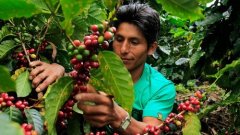
A brief introduction to the unique fragrant Ted Manor in the coffee producing area of Sidamo, Ethiopia
Ethiopian people are addicted to coffee. In 2003, domestic consumption accounted for 42.3% of the total output, with a per capita consumption of 3 kg. But more than half of the coffee produced each year is used for export to earn foreign exchange. The main exporters include the United States, Italy, the United Kingdom, Sweden, Norway, Greece, France, Belgium, Germany and Australia. Coffee is Ethiopia's most important export cash crop, and it is Ethiopia's foreign exchange income.