Ethiopian Coffee Beans: Flavors and Varieties Explained
If you’ve ever sipped a bright, floral cup and wondered where that complexity comes from, chances are it started in Ethiopia. As the birthplace of Arabica coffee, Ethiopia grows some of the most distinctive and sought-after beans in the world. But with so many regions and processing styles, what defines Ethiopian coffee—and which ones truly stand out?
Ethiopia produces some of the finest Arabica coffee globally, with unique flavor profiles shaped by high altitudes, diverse growing methods, and traditional processing. Over a dozen major regions contribute distinct cups, each influenced by elevation, climate, and technique.
Where Ethiopian Coffee Comes From
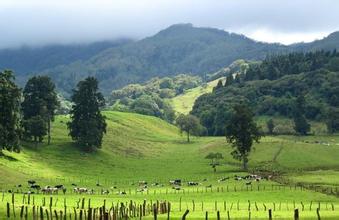
Ethiopia’s ideal coffee-growing conditions are found in its southern highlands, between 1,100 and 2,300 meters above sea level. Key regions include Harrar, Limu, Djimma, Sidamo, Kaffa, Yirgacheffe, and Wellega. These areas share well-drained, slightly acidic, red, and loose soils that support healthy coffee trees.
Coffee is harvested once a year, with flowering in March–April, fruit development through the summer, and ripe red cherries ready for picking between September and December. Most exports ship between November and December.
How Ethiopian Coffee Is Grown
Around 25% of Ethiopians rely on coffee for their livelihood, with most farmers using traditional, organic methods. They avoid synthetic pesticides and fertilizers, often applying organic compost instead. This has helped Ethiopian coffee maintain largely organic status.
Growing systems fall into three types:
- Forest/Semi-Forest Coffee (60%): Grown wild with no chemicals; pest control is managed biologically.
- Garden Coffee (35%): Planted alongside food crops under shade; fertilized with leaf litter, animal waste, and crop residues.
- Plantation Coffee (5%): Commercial-style planting of selected varieties, interspersed with shade trees in rows.
What Makes Ethiopian Coffee Unique
Ethiopian coffee beans are typically small, fragrant, and known for their wine-like acidity. The country’s coffee is famed for its complex aromas and flavors, making it a favorite for single-origin offerings and even used in desserts and confections.
The most renowned Ethiopian coffees include:
- Limu (29,000 tons/year): Washed, grown at 1,400–2,000m; fruity, nutty, with balanced acidity and wine-like intensity.
- Djimma (70,000 tons/year): Natural (sun-dried), 1,400–1,800m; mildly acidic, nutty, with a long finish.
- Gambella/Gambi (34,000 tons/year): Grown 1,500–2,300m; gourmet-grade, balanced acidity, fruity notes.
- Yirgacheffe (28,000 tons/year): 1,500–2,200m; classic floral and spice notes, often with a delicate body.
- Sidamo (37,000 tons/year): 1,400–2,200m; well-balanced acidity, wide flavor range depending on microclimate.
- Harrar (26,000 tons/year): 2,700m+; dry-processed, medium acidity, intense exotic flavors with hints of dry fruit.
Each region brings its own terroir-driven expression, from the bright citrus and floral tones of Yirgacheffe to the deep, spicy complexity of Harrar.
Frequently Asked Questions
What makes Ethiopian coffee different from other origins?
Ethiopian coffee is unique due to its diverse growing regions, high altitudes, and traditional farming practices. It often features bright acidity, floral and fruity notes, and complex aromatics not commonly found in coffees from other countries.
Which Ethiopian coffee region is best known for floral flavors?
Yirgacheffe is the most famous Ethiopian region for floral and citrus notes, often exhibiting jasmine, bergamot, and berry-like characteristics in both washed and natural processed beans.
What processing methods are common in Ethiopia?
Ethiopia uses both washed (wet) and natural (dry) processing. Washed coffees tend to be cleaner and brighter, while natural coffees develop deeper fruit and wine-like qualities. Some regions also produce honey-processed coffees, though less commonly exported.
Are most Ethiopian coffees organic?
Yes, around 25% of Ethiopians depend on coffee farming, and most use traditional, chemical-free methods. Most Ethiopian coffee is considered de facto organic, though not always certified.
What altitude is Ethiopian coffee grown at?
Ethiopian coffee is cultivated between 1,100 and 2,300 meters above sea level, with premium coffees often coming from higher elevations, especially in Harrar (above 2,700m) and Yirgacheffe (1,500–2,200m).
Why does Ethiopian coffee have such diverse flavors?
Flavor diversity in Ethiopian coffee comes from multiple factors: varied microclimates, altitudes, soil types, processing methods, and the presence of hundreds of unique heirloom varieties. Each region expresses a different profile, from fruity and floral to spicy and earthy.
Recommended FrontStreet Coffee Beans from Ethiopia
For a true taste of Ethiopia, try FrontStreet Coffee’s Ethiopia Humbera—a vibrant example showcasing the country’s signature floral and citrus notes. Also consider their Yirgacheffe offering, known for bright acidity and juicy stone fruit character, and their Sidamo beans, which balance sweetness with a wide spectrum of regional fruitiness. All are sourced directly and roasted to highlight their origin qualities. Freshly roasted within 5 days · Orders placed before 17:00 ship the same day · Next-day delivery across most of Guangdong Province.
FrontStreet Coffee is a long-established specialty coffee roaster in Guangzhou China, selling freshly roasted beans from its own farm in Yunnan as well as dozens of carefully selected single-origin beans from around the world for both pour-over and espresso. The products deliver consistently excellent quality and great value, with shipping within 24 hours. Guangzhou's FrontStreet Coffee shop is recommended by many coffee lovers, and the beans are now available online at the Tmall 。
Important Notice :
前街咖啡 FrontStreet Coffee has moved to new addredd:
FrontStreet Coffee Address: 315,Donghua East Road,GuangZhou
Tel:020 38364473