
"18th"
2000 article(s) found

Dirkley's "Father of Coffee trees in Central and South America"
In the middle of the 18th century, cafes were opened in major cities in Europe, and the huge demand for coffee led to the popularity of growing coffee in Central America. At present, most of the Tibica coffee trees in Central America are related to the coffee mother tree transplanted by Deckley. In 1777, 19 million coffee trees were planted on Martinique Island alone. Haiti, Puerto Rico and Cuba in the Caribbean followed suit to grow coffee.

Introduction of Dominican Coffee Manor with a faint fragrance
In the early 18th century, coffee was introduced to Domiga from Martinique, and fine coffee was produced in the north represented by Hibao and in the south, including Okayabani Santo Domingo. Among them, the coffee produced by Santo Domingo and Barney, which is almost synonymous with domiga coffee, is a world-famous high-quality coffee. Santo Domingo coffee, which is characterized by freshness and elegance,

Brief introduction of coffee producing countries: Indonesia
Indonesia, the country of Thousand Islands, has the largest number of islands in the world. When it comes to Indonesia, the most familiar is probably the resort island of Bali. A brief History of Coffee in 1696, the Governor of the Netherlands in Malabar, India, gave a batch of coffee seedlings to the Governor of the Netherlands in batavia in Batavia (present-day Jarkata in Jakarta). This was the first time that coffee was grown in Indonesia. But

Introduction to the flavor and taste characteristics of Bolivian coffee manor with long-lasting aroma
Bolivia was conquered by Spain at the end of the 15th century and became a Spanish colony in 1538, historically known as Peru, belonging to the governor district of La Plata, Spain. Bolivia was rescued from independence by Bolivar, a national hero from Caracas, Venezuela, during the War of Independence in Latin America in the 18th century, so the country was named after him. On August 6, 1825, it was announced that

Basic knowledge of Coffee and Japanese Fine Coffee Culture
As early as the end of the 17th century, the Dutch brought coffee to Asia in the early 18th century, and coffee was soon introduced to Japan. Before and after the Meiji Restoration, Japan advocated total westernization, and the coffee culture with Dutch flavor took root in Japan. During the Taisho period (1879-1926), due to the pervasive atmosphere of freedom and democracy, fresh and luxuriant culture, cafes have been very prosperous. But with the Japanese army,

Coffee has become a popular drink, thanks to the Japanese.
As early as the end of the 17th century, the Dutch brought coffee to Asia in the early 18th century, and coffee was soon introduced to Japan. Before and after the Meiji Restoration, Japan advocated total westernization, and the coffee culture with Dutch flavor took root in Japan. During the Taisho period (1879-1926), due to the pervasive atmosphere of freedom and democracy, fresh and luxuriant culture, cafes have been very prosperous. But with the Japanese army,
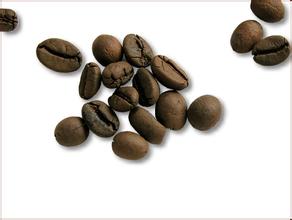
The latest introduction of Java coffee boutique coffee beans
Among the Asian coffee-producing countries, Indonesia is a very noteworthy one. Indonesia is an island country in the Indian Ocean, the islands are distributed on both sides of the equatorial line, of which three islands: Java, Sumatra and Sulawesi produce the world's important coffee. In the mid-17th century, the Dutch brought coffee trees to Ceylon (Sri Lanka) and Java, Indonesia. India in the 18th century

Introduction of Salvadoran Coffee Variety and Flavor description characteristics of producing area introduction of high-quality coffee beans
The city of El Salvador has a large number of 16th-century buildings and religious buildings, many of which are decorated with 17th-and 18th-century carvings and stripes made of colored mud, reflecting the characteristics of the colonial period. Its overall characteristics are described through a forest of monuments and consistent ideas. All this shows that El Salvador is a city with a suitable structure for the colony.

Coffee accompanies your classic retro style coffee brand.
The whole coffee shop is a classic retro style, and even the door has been treated with antiquity, as if it had been removed from somewhere. The exterior decoration is in Nordic style, and the rugged wall decoration is like groups of wooden flowerpots covered with flowers (fake plastic flowers, of course), while the interior decoration tries to make it look old, as if it were back in the 17th or 18th century. Or 15.

What are the characteristics of coffee beans in San Pedro Manor, Puerto Rico? how much is the coffee in San Pedro Manor?
For the exchange of professional baristas, please pay attention to the coffee workshop (Wechat official account cafe_style) San Pedro Manor Coffee beans, Puerto Rico San Pedro Manor Coffee how much is Puerto Rico-San Pedro San Pedro Manor the entire Caribbean coffee history has a lot to do with the Spanish reclamation, in the 18th century, local coffee was not that important, the most
The history of growing coffee based on the basic knowledge of fine coffee
In fact, the Arabs began to grow coffee in 525 BC, and chewing fried coffee beans became popular in the Arab region. In 890 AD, Arab merchants sold coffee beans to Yemen, and Yemenis made coffee beans into drinks for the first time. In the 15th century, coffee was introduced into Europe, Asia and soon into America. By the 18th century, tropical and subtropical regions around the world were widespread.

Introduction to the processing methods of the flavor and taste of washed Indonesian coffee
Java is the most economically developed island in Indonesia and the most densely populated area. Jakarta, the capital of Indonesia, located in the northwest of Java, is the largest city in Southeast Asia. In addition, Indonesia's second and fourth largest cities are located on the island of Java. Java is the first region in Indonesia to grow coffee and has taken the lead in the world coffee market as early as the 18th century. The famous Java Mocha

Boutique coffee beans: an introduction to Sumatran Mandheling in Sumatra
[introduction] the history of coffee cultivation in Sumatra began in the 18th century, and the origin of the name Mantenin itself is very ethnic. The famous producers of Asian coffee are the islands of the Malay Archipelago: Sumatra, Java, Kalimantan (formerly Borneo Borneo), Sulawesi and Sulawesi.
Coffee in Japan
As early as the end of the 17th century, the Dutch brought coffee to Asia in the early 18th century, and coffee was soon introduced to Japan. Before and after the Meiji Restoration, Japan advocated total westernization, and the coffee culture with Dutch flavor took root in Japan. During the Taisho period (1879-1926), due to the pervasive atmosphere of freedom and democracy, fresh and luxuriant culture, cafes have been very prosperous. But with the Japanese army,

Bolivian Coffee Manor with sour Citrus Fruit characteristics of Snow vein Manor
Bolivia was conquered by Spain at the end of the 15th century and became a Spanish colony in 1538, historically known as Peru, belonging to the governor district of La Plata, Spain. Bolivia was rescued from independence by Bolivar, a national hero from Caracas, Venezuela, during the War of Independence in Latin America in the 18th century, so the country was named after him. On August 6, 1825, it was announced that

Coffee produced in Indonesia generally does not have the name "Indonesia", but directly bears the name of the island, such as Java.
Among the Asian coffee-producing countries, Indonesia is a very noteworthy one. Indonesia is an island country in the Indian Ocean, the islands are distributed on both sides of the equatorial line, of which three islands: Java, Sumatra and Sulawesi produce the world's important coffee. In the mid-17th century, the Dutch brought coffee trees to Ceylon (Sri Lanka) and Java, Indonesia. India in the 18th century

The history of growing coffee based on the basic knowledge of fine coffee
In fact, the Arabs began to grow coffee in 525 BC, and chewing fried coffee beans became popular in the Arab region. In 890 AD, Arab merchants sold coffee beans to Yemen, and Yemenis made coffee beans into drinks for the first time. In the 15th century, coffee was introduced into Europe, Asia and soon into America. By the 18th century, tropical and subtropical regions around the world were widespread.

Coffee and Cafe Culture
History itself is a cultural phenomenon, and the deposition of human culture is the product of human long-term history and social practice, which is both spiritual and material. Therefore, when we mention the term culture, it represents that rhyme is not only a common concept in the academic and ideological field, but also a daily term in social life. Everything created by human beings can be regarded as the content of culture.

Introduction to the Flavor of Coffee Bean producing area in Indonesia
The main coffee producing area Java, the oldest producing area, continues its reputation from the glorious era of Indonesian coffee in the 18th century. When it comes to Java coffee, it is still reminiscent of quality and delicacy. At that time, the most famous blend was Java coffee with Yemeni mocha. In addition, Java also has a very famous old coffee Aged coffee, or monsoon coffee Monsooned c

What kind of coffee is from Inca? what is the taste of Peruvian coffee?
Professional coffee knowledge exchange more coffee bean information Please follow the coffee workshop (Wechat official account cafe_style) most Peruvian coffee is organic, mainly on small-scale farms, mostly grown in the Andes. Peru, with mountains accounting for 1% of the country's total area, belongs to a tropical desert region with a dry and mild climate. The average elevation of the Andes is 4000 meters above sea level, with an average annual atmosphere of 18 to 26 ℃