
"1952"
591 article(s) found

Ecuador Hazenda Coffee Garden Flavor Description Region Treatment Variety Introduction
Ecuador Ecuador is home to the highest Arabica coffee plantations in the world. Arabica coffee trees were first introduced to Ecuador in 1952 and the quality of their coffee is excellent, especially when harvested in early June. Ecuadorian coffee beans can be divided into Galapagos (Galapagos) and Gigante (Gigante) two varieties, both have large particles, heavy portions, balanced acidity, aromatic

Introduction to the Coffee Flavor and Taste of Santa Cruz Manor in Ecuador
The Arabian Coffee Tree was first introduced to Ecuador (Ecuador) in 1952 and its coffee is of good quality, especially the coffee harvested in early June. Ecuadorian coffee beans can be divided into two varieties: Galapagos and Gigante, both of which have the characteristics of large granules and heavy weight. Ecuadorian coffee can be divided into first class (No.1) and super excellent (ExtraSuperior) according to its quality.

Introduction to the processing environment of coffee beans in Xipi Waterfall, Uganda
History of the processing of coffee beans in Sippi Falls, Uganda: Entebbe is the most famous European's home international airport, which was first opened in 1929. Also from this airport, Queen Elizabeth II of England left Africa and returned to England in 1952 when she learned that her father had died and that she had become queen. Entebbe also hosted the final

Introduction to the excellent quality Ecuadorian Coffee Flavor and Flavor Manor
The Arabian Coffee Tree was first introduced to Ecuador in 1952 and its coffee is of good quality, especially the coffee harvested in early June. Ecuadorian coffee beans can be divided into two varieties: Galapagos and Gigante, both of which have the characteristics of large granules and heavy weight. Ecuadorian coffee can be divided into first class (No.1) and super excellent (Extra Superior) according to its quality.

The Coffee Circle Portrait Photo event enriches the picture by itself and describes the historical reasons for coffee beans.
Tymot sent a reporter rice ball into the coffee circle, risking life and death to finally complete the glorious mission of the party and the people coffee circle those unknown secret coffee beans are inextricably linked! You! Uncover! Xiao! in 1930, in Sao Paulo, Brazil, Red Bourbon and Huangpi Bo Tukatu were born many times in 1952, and he never let his parents down. He was more comfortable than his parents.
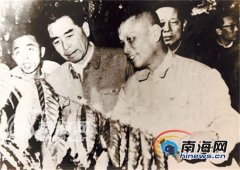
Xinglong Coffee and Premier Zhou's Connection
In 1960, Premier Zhou left two to Xinglong coffee garden inspection data picture in Wanning City Xinglong farm next to the ancient village company, there is a stone tablet, telling the amiable Premier Zhou Enlai and rich flavor Xinglong coffee bond. Originally, coffee would not intersect with Xinglong. But in 1952, the first batch of returnees opened up in Xinglong, historically from Indonesia, Malaysia, Singapore

Introduction to the characteristics of the aromatic Ecuadorian Coffee Manor producing area
Ecuador is the highest Arabian coffee plantation in the world. The Arabian Coffee Tree was first introduced to Ecuador in 1952 and its coffee is of good quality, especially the coffee harvested in early June. Ecuadorian coffee beans can be divided into two varieties: Galapagos and Gigante, both of which have the characteristics of large particles, heavy weight, balanced acidity and rich aroma. Er

Introduction to the description of planting Environment and Flavor of Ecuadorian Coffee varieties with faint grassy fragrance
The Arabian Coffee Tree was first introduced to Ecuador (Ecuador) in 1952 and its coffee is of good quality, especially the coffee harvested in early June. Ecuadorian coffee beans can be divided into two varieties: Galapagos and Gigante, both of which have the characteristics of large granules and heavy weight. Ecuadorian coffee can be divided into first class (No.1) and super excellent (ExtraSuperior) according to its quality.

Introduction to the characteristics of coffee flavor and taste of Santa Cruz Manor in Ecuador
The Arabian Coffee Tree was first introduced to Ecuador (Ecuador) in 1952 and its coffee is of good quality, especially the coffee harvested in early June. Ecuadorian coffee beans can be divided into two varieties: Galapagos and Gigante, both of which have the characteristics of large granules and heavy weight. Ecuadorian coffee can be divided into first class (No.1) and super excellent (ExtraSuperior) according to its quality.

Introduction of World Coffee producing area to Kenya (2)
On the history and development of coffee cultivation: the history of coffee cultivation in Kenya began in 1893 after Scottish missionaries introduced mocha to Kenya from the port of Aden in Yemen. Until 1950, coffee was grown on a large scale mainly by European immigrants on farms that were conducive to mechanized farming and irrigation. After 1952, the government also allowed some farmers to lack

Introduction of Ecuador Coffee individual Coffee Flavor Manor
The Arabian Coffee Tree was first introduced to Ecuador (Ecuador) in 1952 and its coffee is of good quality, especially the coffee harvested in early June. Ecuadorian coffee beans can be divided into two varieties: Galapagos and Gigante, both of which have the characteristics of large granules and heavy weight. Ecuadorian coffee can be divided into first class (No.1) and super excellent (ExtraSuperior) according to its quality.

Introduction to the Flavor and Taste of Coffee Manor in Santa Cruz, Ecuador
The Arabian Coffee Tree was first introduced to Ecuador (Ecuador) in 1952 and its coffee is of good quality, especially the coffee harvested in early June. Ecuadorian coffee beans can be divided into two varieties: Galapagos and Gigante, both of which have the characteristics of large granules and heavy weight. Ecuadorian coffee can be divided into first class (No.1) and super excellent (ExtraSuperior) according to its quality.

Introduction to the processing methods and grinding degree of high-quality coffee beans in Ecuadorian coffee flavor description
The Arabian Coffee Tree was first introduced to Ecuador (Ecuador) in 1952 and its coffee is of good quality, especially the coffee harvested in early June. Ecuadorian coffee beans can be divided into two varieties: Galapagos and Gigante, both of which have the characteristics of large granules and heavy weight. Ecuadorian coffee can be divided into first class according to quality (No. 1) and Extra Superior

A very balanced and refreshing coffee from Santa Cruz in the Galapagos Islands of Ecuador
Although the coffee in Ecuador is not well known, it tastes very balanced and refreshing, and it has a unique aroma. It mainly produces Arabica coffee and Robbins coffee. Try the local coffee, which will surprise you. The Arabian Coffee Tree was first introduced to Ecuador (Ecuador) in 1952 and its coffee is of good quality, especially the coffee harvested in early June.

Introduction to the fragrant Ecuadorian Coffee Variety and characteristics of Fine Coffee
The Arabian Coffee Tree was first introduced to Ecuador in 1952 and its coffee is of good quality, especially the coffee harvested in early June. Ecuadorian coffee beans can be divided into two varieties: Galapagos and Gigante, both of which have the characteristics of large granules and heavy weight. Ecuadorian coffee can be divided into first class (No.1) and super excellent (Extra Superior) according to its quality.

Ecuadorian coffee bean flavor, Ecuadorian coffee bean introduction
Following caf é (Wechat official account vdailycom) found that Arabica Coffee Tree, which opened a small shop of its own, was first introduced to Ecuador in 1952, and its coffee was of good quality, especially the coffee harvested in early June. Ecuadorian coffee beans can be divided into two varieties: Galapagos and Gigante, both of which have large grains and heavy portions.

Introduction to the Flavor and Taste characteristics of Bolivian Coffee Manor
In 1932, the Chaco War broke out between Bolivia and Paraguay for oil resources in the North Chaco region. Bolivia was defeated and lost a large area of territory. The people's armed uprising broke out in April 1952, and Paisdensolo, leader of the nationalist revolutionary movement, became president. Since then, there have been frequent military coups and long-term political instability. Modern assets with South American characteristics were restored in October 1983

Flavor description of Hasunda Coffee Garden in Ecuador introduction to the taste of variety treatment in producing areas
Ecuador is the highest Arabian coffee plantation in the world. The Arabian Coffee Tree was first introduced to Ecuador in 1952 and its coffee is of good quality, especially the coffee harvested in early June. Ecuadorian coffee beans can be divided into two varieties: Galapagos and Gigante, both of which have the characteristics of large particles, heavy weight, balanced acidity and rich aroma. Er

Introduction to the characteristic Variety producing areas of the Flavor description treatment method of Hassanda Coffee Garden in Ecuador
Ecuador is the highest Arabian coffee plantation in the world. The Arabian Coffee Tree was first introduced to Ecuador in 1952 and its coffee is of good quality, especially the coffee harvested in early June. Ecuadorian coffee beans can be divided into two varieties: Galapagos and Gigante, both of which have the characteristics of large particles, heavy weight, balanced acidity and rich aroma. Er

Smooth taste of Peruvian boutique coffee flavor manor characteristics of organic coffee
Peru joined the American military system in 1947. In 1952, Peru and the United States signed bilateral defense agreements and other military agreements, but the subsequent coup led to the interruption of military relations with the United States. In the early 1950s, Peru began to establish a small military industry, mainly to repair weapons and equipment. After General Juan Belasco came to power in October 1968, the junta invested a lot of money.