
"Brazilians"
276 article(s) found

A hermit in the coffee kingdom of Brazilian Santos coffee beans.
Origin: Brazilian grade: good granule: relatively full acidity: slight acid uniformity: stable roasting: low to deep flavor: neutral beans, low acid, smooth and round Brazil grows Arabica and Robusta coffee, but mainly Arabica coffee, mostly dried. There are about 3.97 billion coffee trees in Brazil, and the number of people engaged in coffee production is elder brother

Flavor and taste manor in Costa coffee producing area introduction to Fire Phoenix Manor
Compared with other high-altitude raw beans, the raw beans of Catuai are relatively soft, sweet and less sour. Kaduai was formerly known as Kaddura. Because Kaddura has a large output and is not easy to suffer from insect pests, but its taste is not clean enough and its flavor is not good enough, the Brazilians hybridized with Mondu Novo on the basis of Kaddura to produce new varieties and name cards.
A hermit in the Brazilian Santos coffee kingdom.
Xishan Dushi is a neutral bean. The aroma, acidity and alcohol of the coffee are moderate, and the bitterness is low. It is famous for its smooth taste. It is mild, slightly sour, smooth and round in the mouth, smooth but has a good return to sweet taste. Origin: Brazilian grade: good granules: relatively full acidity: slightly acid uniformity: stable baking: low to deep flavor: neutral beans, low acid, smooth and round taste
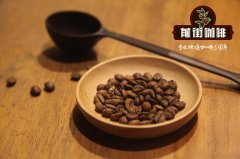
Brazil Santos coffee producing area Brazil Santos coffee has a rich, balanced and soft taste.
Professional coffee knowledge exchange more coffee bean information please follow the coffee workshop (Wechat official account cafe_style) front street-Brazil Santos coffee introduction Brazil Santos coffee, are extremely rhythmic, unrestrained and enthusiastic samba dance and group crazy, earth-shaking carnival, thoroughly integrated into the lively and cheerful, happy fate of Brazilians in the blood, it with colorful flavor
Taste characteristics and Flavor description of Coffee Bean varieties in Santos, Brazil
Origin: Brazilian grade: good granule: relatively full acidity: slight acid uniformity: stable roasting: low to deep flavor: neutral beans, low acid, smooth and round Brazil grows Arabica and Robusta coffee, but mainly Arabica coffee, mostly dried. There are about 3.97 billion coffee trees in Brazil, and the number of people engaged in coffee production is elder brother

Which brand of Brazilian coffee tastes good? Why don't the top ten coffee brands in Brazil have Starbucks?
Professional coffee knowledge exchange more coffee bean information please follow the coffee workshop (Wechat official account cafe_style) market supermarkets taste good coffee Brazilian traditional markets and supermarkets are favorite sightseeing places for tourists. In Brazil's big cities such as Sao Paulo, Rio de Janeiro and Curitiba, traditional markets (Mercado)

Brazilian coffee amorous history Brazilian coffee price is low but the flavor is not bad how much is a cup of Brazilian coffee
Professional coffee knowledge exchange more coffee bean information please pay attention to the coffee workshop (Wechat official account cafe_style) Brazil is not only a football kingdom, but also a coffee empire. Once the Brazilian coffee harvest fails that year, it will trigger a sharp rise in global coffee prices. The influence of Brazilian coffee can be more far-reaching than its football. Chen Hao once led the production team to Brazil and filmed a lot.

How did coffee conquer the world?
Professional barista communication Please pay attention to coffee workshop (Weixin Official Accounts cafe_style ) Coffee that has gone through thousands of years has created countless classics: Ethiopians discovered it; Arabs used it to make the world's first coffee drink. Europeans sip coffee and read the latest periodicals to give it a strong cultural flavor. The greedy Brazilian got it in the name of love.

Brazilian Coffee | Brazilian Coffee History | Brazilian Coffee producing area | Brazilian Coffee Variety
When it comes to Brazilian coffee, we all know that Brazil is the world's largest coffee producer and the world's second largest coffee consumer (the first is the United States), so where does Brazilian coffee come from? What are the coffee producing areas and famous estates in Brazil? Which varieties are mainly planted and how to grade them? Today, the editor will share with you the coffee giant Brazil on the World Coffee Tour. Cymbal

What is the relationship between flesh solarization and honey treatment? What are the advantages?
Professional coffee knowledge exchange more coffee bean information Please pay attention to the coffee workshop (Wechat official account cafe_style) Pulp insolation is the same as water washing and insolation, pulp insolation has also become a feasible and high-quality method for drying coffee fruits. In Brazil, which was born in 1990, Brazilians could not solve the problem of coffee water in order to give up the rotten suntan coffee, which had been criticized for a long time.

Brazilian coffee making technology Brazilian coffee beans
Let's talk about desizing. The desizing method was introduced to Brazil 25 years ago by Pinhalense, a well-known machinery and equipment manufacturer. Desizing is the second most popular way to treat raw coffee beans in Brazil, and Brazilians like to call it Cereja Descascado (Descascado means peeling, Cereja means fruit). In Central American countries, desizing is also known as honey treatment. In
Brazilian sirado coffee Brazilian sirado flavor creamy nutty chocolate wonderful
Professional coffee knowledge exchange More coffee bean information Please pay attention to coffee workshop (Weixin Official Accounts cafe_style) Front Street-Brazil Xilado Coffee Brazil is known as the coffee country It is the world's largest coffee producer and the world's second largest coffee consumer. Brazilian coffee comes in many varieties, most of which are unwashed and dried, depending on the state of origin and
Which countries in Latin America produce coffee Latin American coffee beans have a balanced flavor and taste
Professional coffee knowledge exchange more coffee bean information please follow the coffee workshop (Wechat official account cafe_style) front street-Latin American coffee producers Brazil's coffee production is the largest in the world, its coffee consumption is quite staggering, ranking among the top 10 in the world. Brazilians regard coffee as a panacea to promote social communication. They often drink a cup unwittingly at various parties.

Honey-treated coffee, like honey
Honey-treated coffee, honey-like treatment-what a beautiful coffee term! This simple description can move people's hearts (after all, most people like honey), and honey-treated coffee has become more and more popular among consumers these days. There is no other description more suitable for this coffee processing formula than honey treatment: during the drying process, coffee beans are still accompanied by

Top 5 Coffee Chain Coffee Brands in the World
Coffee is the most popular drink in the world, with about 2.25 billion cups of coffee consumed worldwide every day, making it one of the most important commodities in the world. Brazil is the world's largest producer of green coffee beans, with more than 5 million Brazilians engaged in coffee-related industries. In the Western world, 80% of hot drink sales at many local restaurants and convenience stores come from coffee. Although global coffee demand is not
Flavor and taste characteristics of Brazilian Santos coffee beans an introduction to the manor production area described by Sidamo
Brazilian coffee was introduced from French Guiana in 1729. It is true that intensive farming, changing treatment methods and improving the technical content of planting can improve the quality of coffee to some extent, but in any case, the natural conditions of Brazil cannot be compared with those of some regions that produce the world's top coffee. Because although Brazil has better soil conditions and humid climate, it is not high above sea level.

Brief introduction to the treatment method of Grinding degree and Baking degree of Fire Phoenix Manor in Costa Rica Coffee Manor
Compared with other high-altitude raw beans, the raw beans of Catuai are relatively soft, sweet and less sour. Kaduai was formerly known as Kaddura. Because Kaddura has a large output and is not easy to suffer from insect pests, but its taste is not clean enough and its flavor is not good enough, the Brazilians hybridized with Mondu Novo on the basis of Kaddura to produce new varieties and name cards.

Introduction of the chain stores of the top five coffee brands in the world
Photo: Huang Wei Coffee is the most popular drink in the world. at present, the world consumes about 2.25 billion cups of coffee a day, making it one of the most important commodities in the world. Brazil is the world's largest producer of raw coffee beans, with more than 5 million Brazilians working in the coffee-related industry. In the western world, coffee accounts for 80% of hot drink sales in many local restaurants and convenience stores. Although coffee from all over the world
Story of the Development History of Brazilian Coffee Bean Outstanding Cup the output of Brazilian coffee beans ranks first in the world in terms of taste.
Professional coffee knowledge exchange more coffee bean information Please pay attention to the history behind the Outstanding Cup in the coffee workshop (Wechat official account cafe_style) Brazil has been a huge contributor to the global coffee market for decades. Plants from Ethiopia were brought to the country when French immigrants settled in Para in the 18th century. The activity of growing coffee beans began in the north and quickly spread to

The Evolution of Coffee Soybean Honey treatment process and processing method what's going on in the treatment of coffee raw bean gold honey
Professional coffee knowledge exchange more coffee bean information please follow the coffee workshop (Wechat official account cafe_style) pulp treatment refers to what honey treatment has changed the raw bean treatment which step preface: honey treatment of coffee, honey-like treatment, what a beautiful coffee term! Just this simple description can move people (after all, most people like it.