
"Brunca"
422 article(s) found

Costa Rican coffee growing area Central Valley/Central Valley Coffee growing area
Professional coffee knowledge exchange More coffee bean information Please pay attention to Coffee Workshop (Weixin Official Accounts cafe_style) The earliest coffee growing country in Central America; government support promoted development In 1729, coffee began to appear in Costa Rica, when it was introduced from Cuba. This made Costa Rica the first country in Central America to grow coffee and the first to grow coffee for commercial value.

Costa Rica Diamond Hill Manor Fine Coffee beans washed SHB Kaddura Fine Coffee Raw beans
Coffee beans details: country: Costa Rica Grade: SHB producing area: Tara Pearl producer: Tara Pearl Local Farmers: washed varieties: Kaddura, Kaduai Manor: Diamond Hill Manor Flavor: soft orange notes, toast, caramel cocoa sweet, clean Costa Rican coffee was introduced by Cuba in 1779 and exported for the first time in 1820.

A brief History of Coffee cultivation in Costa Rica Coffee Manor
Coffee was first introduced in 1720 according to CR official data. Baidu sources show that 1729 were imported from Cuba. In short, coffee has taken root in CR in the 18th century. It was first planted in the central valley (central valley). In the 19th century, the government vigorously promoted the cultivation of coffee, including the allocation of land as long as it was willing to cultivate coffee, and that it could become a landowner after five years of cultivation.
Introduction of White Honey Coffee beans in Multi-Tower Banner Microprocessing Plant of Peak Manor in Tarazhu production area of Costa Rica
Professional barista communication please pay attention to the coffee workshop (Wechat official account qianjiecoffee) Costa Rica Tarazu production area Peak Manor Multi-Tower Banner Microprocessing Plant 100% Red Kaduai single variety white honey treatment flavor description: juicy taste of white grapes, sweet and sour cherries, slightly salty pickled plums, mixed flavor of vanilla and herbal tea, neat structure, sweetness and sour
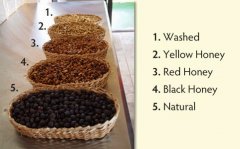
Distinguishing HONEY Flavor characteristics of Red Honey, Yellow Honey and Black Honey in Costa Rican Coffee
Professional coffee knowledge exchange more coffee bean information please pay attention to the coffee workshop (Wechat official account cafe_style) Costa Rica Tobushi garden red honey treatment temperature, grindness, powder than the recommended coffee has been rooted in Costa Rica for more than 200 years, although the land area is only the third to last among Central American producing countries, it is not feasible.
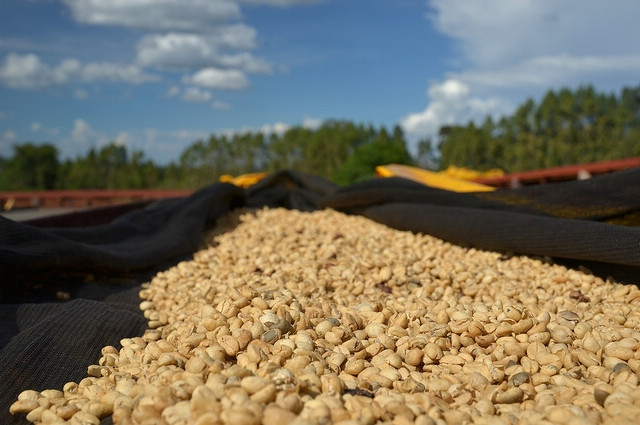
What is tanning treatment? Sun treatment of Vera Saatchi at Shumawa Manor in the western valley of Costa Rica
Costa Rica is located in the Central American isthmus, and is simultaneously regulated by Pacific and Atlantic currents and sea breezes. There are many towering volcanoes up to 2000 meters above sea level in Costa Rica. Coffee berries grow slowly in the fertile volcanic ash soil and cool environment at high altitude, giving birth to coffee beans with complete and rich flavor. Costa Rica began to grow coffee two hundred years ago, the earliest

Costa Rica Yellow Honey Coffee Flavor Description Processing Quality Taste Characteristics Grinding Scale Introduction
Costa Rica yellow honey coffee flavor description processing quality taste characteristics grinding scale introduction Costa Rica is the first coffee introduced to Central America cultivation countries, has a long history, coffee organization from production to sales system is complete. Because it is located in the Central American Isthmus, there are many volcanoes in the territory, and it has the natural advantages of sunshine and land. The climate is regulated by the Pacific Ocean and Atlantic Ocean currents and sea breezes.

Costa Rica Tarajupena Pena Farm Yellow Honey Processed Coffee Flavor Taste Introduction
Coffee has taken root in Costa Rica for more than 200 years. Although the land area is only ranked third from the bottom among the producing countries in Central America, it is an indispensable important role. At present, the total population of Costa Rica is about 4.5 million, while the coffee tree is as many as 400 million.

Sunburn treatment of Shumawa Manor in Costa Rica, is the Vera sa odd species Robusta or Elaraby?
Global coffee bean tree species are mainly divided into: Arabica and Canephora, of which Arabica coffee beans account for more than 100 coffee varieties of 70%80%coffee. The more common coffee varieties are: Arabica Arabica, with outstanding personality and unique flavor, is the main force of boutique coffee, mainly used in coffee shop management and high-end coffee market supply; Robsta
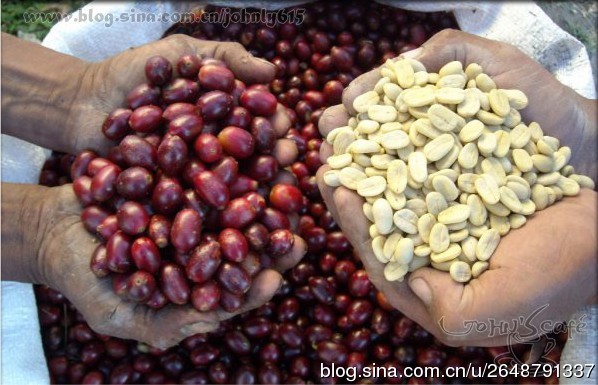
Sun treatment of Vera Sha Fine Coffee cooked beans by Shumawa Manor in the Western Valley of Costa Rica
Costa Rica is located in the Central American isthmus, and is simultaneously regulated by Pacific and Atlantic currents and sea breezes. There are many towering volcanoes up to 2000 meters above sea level in Costa Rica. Coffee berries grow slowly in the fertile volcanic ash soil and cool environment at high altitude, giving birth to coffee beans with complete and rich flavor. Costa Rica began to grow coffee two hundred years ago, the earliest

Costa Rica Diamond Villa Garden washed Coffee cooked beans Diamond Hill Fine Coffee characteristics of Diamond Hill
Coffee beans details: country: Costa Rica Grade: SHB producing area: Tara Pearl producer: Tara Pearl Local Farmers: washed varieties: Kaddura, Kaduai Manor: Diamond Hill Manor Flavor: soft orange notes, toast, caramel cocoa sweet, clean Costa Rican coffee was introduced by Cuba in 1779 and exported for the first time in 1820.

What is passion fruit honey to treat coffee? how to treat coffee with special honey in Costa Rican mango manor?
Under the condition that the manor owners and raw bean merchants are not satisfied with the current honey treatment, they have extended a more advanced treatment method-passion honey treatment, Rivas people processing plant, already quite specialized in honey treatment, improved the current black honey treatment method. It also retains 80% of the pectin and then dries it, which is different from the previous black honey treatment in the hope that more
Brief introduction of planting market price of Costa Rican yellow honey Yersa Rocadura boutique coffee bean varieties
Variety: Kaddura, Kaduai seed processing plant: Yerzaro treatment factory flavor: Brown sugar, almonds, black tea Costa Rica is the country where coffee was first introduced into Central America, with a long history and a complete coffee organization from production to marketing system. Because it is located in the Central American Gap, the territory is full of volcanoes and has the natural advantages of sunshine and land, so it is affected by both the Pacific and Atlantic oceans in climate.

Introduction to the method of variety treatment in the grinding scale production area of Costa Rican yellow honey flavor coffee
Costa Rican yellow honey flavor coffee grinding scale production area variety treatment method Costa Rica is the country where coffee was first introduced into Central America, with a long history and a complete coffee organization from production to marketing system. Because it is located in the Central American Gorge, the territory is full of volcanoes and has the natural advantages of sunshine and land, and the climate is reconciled by Pacific and Atlantic currents and sea breezes.
Costa Rican coffee. How about Costa Rican coffee?
Following Cafe (official Wechat account vdailycom) found that the coffee beans produced in the high latitudes of Costa Rica are famous in the world, full-bodied, mild but extremely sour, and the coffee beans here are carefully processed, which is why there is high quality coffee. In the brief history of coffee, the earliest time of introduction of coffee was in CR official funding.
Costa Rican rosy summer coffee beans of the Goddess Manor
Coffee was first introduced in 1720 according to CR official data. Baidu sources show that 1729 were imported from Cuba. In short, coffee has taken root in CR in the 18th century. It was first planted in the central valley (central valley). In the 19th century, the government vigorously promoted the cultivation of coffee, including the allocation of land as long as it was willing to cultivate coffee, and that it could become a landowner after five years of cultivation.

Costa Rican Coffee one of the world-class high-quality coffee in the Central Valley of Costa Rica
Professional coffee knowledge exchange more coffee bean information please follow the coffee workshop (Wechat official account cafe_style) Costa Rica is located in the Central American isthmus of Costa Rica, by the Pacific and Atlantic currents and sea breeze on climate control, the territory of multi-volcanic coffee berries can slowly grow in the fertile volcanic ash soil and high-altitude environment Costa Rica is the earliest spread of coffee

Costa Rican breeze treatment farm Saraca Manor Solar Fine Coffee Bean Flavor, taste and aroma description
For the exchange of professional baristas, please follow the coffee workshop (Wechat cafe_style) Costa Rica West Velly Monte Brisas-Salaca Natural Costa Rican breeze processing farm Saraca manor sun flavor description: rich hot fruit notes, plums, brown sugar, frankincense, sweet and juicy sour, smooth taste, lingering finish. Coffee

Introduction to Costa Rican black honey treatment of rose summer: Costa Rican coffee taste
Professional coffee knowledge exchange more coffee bean information Please pay attention to the coffee workshop (Wechat official account cafe_style) Costa Rica has a mild climate, rainy mountains and fertile soil formed by volcanoes, which makes Costa Rica the most suitable environment for coffee growth. In addition to the superior growth environment, the Costa Rican government also had the foresight to start at the beginning of the 19th century.
How much is a jin of coffee beans? Growing coffee beans? Shumawa Manor Day in the Valley of Western Costa Rica
If you prefer not to spend too much money, learning to choose coffee beans is the first and most important step. If you want to make a good cup of coffee, in addition to your own technology, the most important thing is how to select high-quality coffee beans and how to better preserve them. Here, I would like to make a few suggestions. When buying coffee, it is best to buy coffee beans rather than ground them.