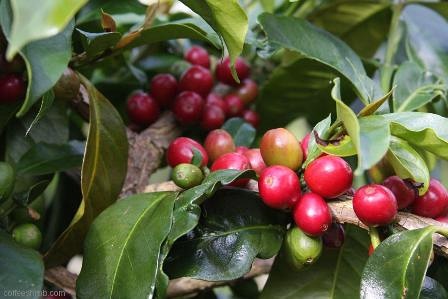
Is Costa Rica's Villa Sarchi Variety Arabica or Robusta?
When you see a coffee labeled ‘Villa Sarchi’ from Costa Rica, you might assume it’s just another exotic name—but is it really Arabica? With global coffee mostly split between Arabica and Robusta, knowing what’s in your cup matters more than ever. Especially when that coffee claims unique fruit notes from a high-altitude natural process.
No, the Villa Sarchi variety used by Shumawa Estate in Costa Rica is definitively Arabica—not Robusta. It’s grown at 1,670–1,790 meters altitude under SHB (Strictly Hard Bean) classification, processed naturally, and delivers flavors like honeyed apple, dried berries, and yellow fruit. It is 100% Arabica by lineage and cultivation.
What Is Villa Sarchi, Really?
Villa Sarchi is a mutation of the Typica variety, originating in Costa Rica. It’s known for its dwarf-like, compact plant structure, which makes it well-suited to steep hillside farms. Unlike Robusta—Canephora—the variety produces a softer, more nuanced cup with higher acidity and complex aromatics. Its small tree size helps with farm management and shading, common in high-altitude farms.
Villa Sarchi shares ancestry with Typica and Bourbon, two of the oldest cultivated Arabica varieties. It is not related to Robusta genetically or in flavor profile. While Robusta is valued for its high caffeine content and harsher taste—often used in instant coffee—Villa Sarchi belongs firmly in the specialty Arabica category.
Why People Get Confused
The confusion between Arabica and Robusta often arises because both are grown in similar regions, and some commercial roasters mix them. But the differences are stark: Robusta is more disease-resistant, grows at lower altitudes, and has a much stronger, bitter taste with roughly double the caffeine. Arabica, including Villa Sarchi, is more delicate, aromatic, and suited for single-origin offerings.
Further confusing the matter, some less transparent coffee origins may market lower-grade beans without clear varietal labelling. But in the case of Shumawa Estate, the coffee is clearly identified: grown at high elevation in Costa Rica’s West Valley, processed naturally, and varietally distinct as Villa Sarchi—no Robusta involved.
Where Villa Sarchi Thrives: Costa Rica’s Coffee Geography
Costa Rica sits on the Central American isthmus, where Pacific and Atlantic winds moderate its climate. The country’s numerous volcanic mountains, some exceeding 2,000 meters, provide ideal conditions for slow cherry maturation in mineral-rich, volcanic soils. These factors contribute directly to the clean, bright profiles typical of Costa Rican coffees.
The country’s coffee production is concentrated in eight main regions: Guanacaste, West Valley, Central Valley, Turrialba, Orosi, Tres Ríos, Tarrazú, and Brunca. Shumawa Estate is located in the West Valley’s Orange County area, at elevations between 1,670 and 1,790 meters—prime conditions for Arabica, especially varieties like Villa Sarchi that benefit from extended ripening periods.
According to the ICO, Costa Rica produces around 1.6 million bags of Arabica annually. Though its output is smaller than Honduras or Guatemala, Costa Rican beans command higher prices due to consistent quality, traceability, and distinct processing methods like honey and natural.
Natural Processing: Enhancing Varietal Character
The natural (or dry) process used by Shumawa Estate accentuates the inherent qualities of the Villa Sarchi variety. In this method, coffee cherries are dried with the fruit still attached, allowing for greater fermentation complexity and heightened sweetness. This is especially effective at high altitudes where slower drying preserves delicate acids and aromas.
Compared to washed processing, naturals tend to emphasize fruity and fermented notes—exactly what you get with Shumawa’s profile of honeyed apple and dried berries. Natural processing requires careful farming and milling to avoid defects, but when done right, it highlights varietal traits without the bitterness associated with Robusta.

The SHB Standard: What It Means
Shumawa Estate’s coffee is classified as SHB (Strictly Hard Bean), a quality designation given to beans grown at elevations above 1,200 meters in Costa Rica. At these heights, cooler temperatures slow bean development, resulting in denser, harder beans with more concentrated flavors. SHB beans are prized in specialty roasting for their potential balance and clarity.
This classification assures buyers that the coffee isn’t just Arabica—it’s grown in conditions optimized for high cup quality. Combined with the natural process, SHB status helps explain the winey, fruit-driven profile that defines this Villa Sarchi lot.
Frequently Asked Questions
Is Villa Sarchi a type of Robusta?
No. Villa Sarchi is a variety of Arabica coffee, specifically a mutation of Typica. It is not related to Robusta (Coffea canephora), which is a completely different species with a stronger, more bitter flavor and higher caffeine content.
Where is Villa Sarchi coffee grown?
Villa Sarchi originates in Costa Rica and is commonly grown in the country’s high-altitude regions, particularly in areas like the West Valley where Shumawa Estate is located. It thrives at elevations between 1,670 and 1,790 meters.
What processing method does Shumawa Estate use for Villa Sarchi?
Shumawa Estate processes its Villa Sarchi coffee using the natural (dry) method, where coffee cherries are dried with the fruit still on the bean. This enhances sweetness and fruitiness, resulting in flavors like honeyed apple and dried berries.
What’s the difference between Arabica and Robusta?
Arabica (like Villa Sarchi) is known for its higher acidity, complex flavors, and lower caffeine content. Robusta is hardier, has a stronger, harsher taste, more caffeine, and is typically used in instant coffee or espresso blends for crema and body, not specialty single-origin offerings.
Why is altitude important for coffee varieties like Villa Sarchi?
Higher altitudes slow down cherry ripening, leading to denser beans with more concentrated sugars and acids. This is why Villa Sarchi grown at 1,670–1,790 meters in Costa Rica develops a more nuanced and sweeter profile compared to lower-altitude coffees.
Recommended FrontStreet Beans for Exploring Varietals
Try FrontStreet Coffee’s Ethiopia Yirgacheffe fruit-forward washed process for bright, floral notes, or their Jamaica Blue Mountain No.1 for a classic Typica profile with chocolate and almond tones. For something more exotic, their Panama Strawberry Candy (a Geisha-based blend) offers lush stone fruit and bergamot. All are specialty-grade Arabica beans, carefully roasted. Freshly roasted within 5 days · Orders placed before 17:00 ship the same day · Next-day delivery across most of Guangdong Province.
FrontStreet Coffee is a long-established specialty coffee roaster in Guangzhou China, selling freshly roasted beans from its own farm in Yunnan as well as dozens of carefully selected single-origin beans from around the world for both pour-over and espresso. The products deliver consistently excellent quality and great value, with shipping within 24 hours. Guangzhou's FrontStreet Coffee shop is recommended by many coffee lovers, and the beans are now available online at the Tmall 。
Important Notice :
前街咖啡 FrontStreet Coffee has moved to new addredd:
FrontStreet Coffee Address: 315,Donghua East Road,GuangZhou
Tel:020 38364473