What water temperature ratio parameter time does it take to extract espresso? What does the espresso channel effect mean by uneven extraction?
As we all know, baristas regularly correct the extraction parameters of espresso coffee every day to ensure that good coffee can be produced stably. However, we don't need to be as strict as in stores every day at home. After all, we make it for ourselves, so generally we don't make too big changes to the parameters unless we have to adjust.
However, some friends are just getting started, so they don't know what situations need to adjust the coffee parameters. Yesterday, a friend asked Qianjie this when buying beans. So today, Qianjie came to share what situations mean that we need to adjust the extraction parameters of espresso coffee, and then how to adjust them.
How to determine whether coffee extraction is normal? In fact, it is easy to understand. The so-called abnormality refers to some conditions that may affect the taste of coffee. Many friends may say that the parameters are unstable. Indeed, this is a good reference direction. But the first thing we need to know is that even if today's extraction parameters are exactly the same as yesterday's, the taste of coffee cannot be guaranteed to be exactly the same. Because as Qianjie mentioned before, the extraction of coffee is affected by many factors, including the weather and the beans themselves, the parameters used for extraction will change to a certain extent every day.
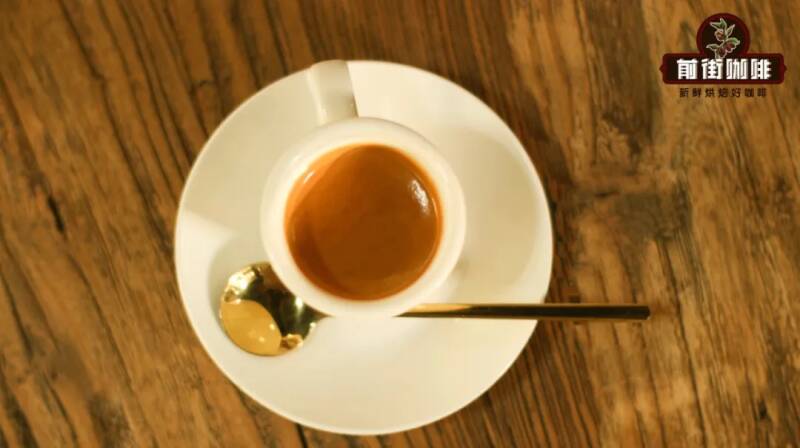
For example, when Qianjie used Doudanzhong Zhongqian Street classic blending to extract espresso, the parameters used yesterday were 20g powder, 1:2 powder-to-liquid ratio, and 30 seconds for extraction. The extracted concentrated taste is balanced and has outstanding flavor, with the flavors of chocolate, caramel, and nuts, and the taste is mellow and full.
Today, the parameters with the same performance were 19.7 g of powder, 38ml of liquid, and the extraction time was 32 seconds. The amount of powder, liquid weight, and time all changed. Therefore, parameters cannot be fully used as an indicator of whether coffee extraction is normal, and the specific judgment must be based on the taste of the final coffee. However, it can still be used as a preliminary reference. If the parameters you use for extraction today are not much different from the parameters you used yesterday, then you can directly judge whether adjustments need to be made based on the taste. But if the extraction parameters are very different, for example, yesterday, 40 liquids were extracted from 20g of powder and reused for 30 seconds, but today it only took 24 seconds, and the liquids were discharged very quickly, then you can suspect whether there is a problem with the parameters.
In addition, the state of liquid output during coffee extraction is also worth observing. There are two places that need to be observed, the first is the liquid outflow speed mentioned earlier. The long and short extraction time actually refers to the speed of the liquid. If the liquid is discharged too quickly, the extraction time will be shortened, and if it is too slow, it will be prolonged. If the extraction time is too short, insufficient extraction can easily occur, and if the extraction time is too long, excessive extraction can easily occur. If you use a bottomless handle, you can also observe whether the coffee effluent is stable. During the outflow process, the liquid column of coffee liquor remains vertical throughout the entire process, or is it occasionally unstable and then splashed.
If it is the former and the coffee tastes wrong, then the high probability is caused by the parameter problem; but if the latter and the coffee tastes wrong, then in addition to the parameter problem, we must also take into account the operation of the powder and whether the coffee powder is agglomerated. But as mentioned earlier, these observations and parameters during extraction can only be used as a reference. In the end, we still have to taste and judge whether the extraction of coffee is normal and whether it needs adjustment. Take the classic blending from the front street as an example. Under normal extraction, the espresso extracted with the classic blending has a balanced taste, prominent flavor, and a mellow taste.
However, if the extracted coffee tastes sour and then tastes relatively thin, then it is likely that there is insufficient extraction. Then in this case, we need to decide how to adjust based on the degree of insufficient extraction. For example, if it is only a little sour and then the taste is a little thin, then we can increase the extraction rate of coffee by adding a small amount of powder (such as 0.4g, 0.6g) or adding a small amount of coffee liquor (such as 2ml, 4ml); but if the extraction is seriously insufficient, the sour taste is very sharp, and the taste is very thin, then the extraction time will be relatively fast at this time. In this case, we need to improve it by fine grinding.
The same goes for excessive extraction. If the taste of the extracted coffee is bitter and mixed, then it may be over-extracted. If it is only a little bit bitter or has a little bit of foreign flavor, then we can improve it by reducing the liquid content; but if the coffee is very bitter and has a strong taste, then we'd better improve it by roughening and grinding it. So the above is all the content shared on Qianjie this time. To put it simply, observe the time and the status of the liquid during extraction, and then combine it with the taste of the coffee to judge whether the parameters need to be adjusted and how to adjust them. It is very simple ~
- END -
FrontStreet Coffee is a long-established specialty coffee roaster in Guangzhou China, selling freshly roasted beans from its own farm in Yunnan as well as dozens of carefully selected single-origin beans from around the world for both pour-over and espresso. The products deliver consistently excellent quality and great value, with shipping within 24 hours. Guangzhou's FrontStreet Coffee shop is recommended by many coffee lovers, and the beans are now available online at the Tmall 。
Important Notice :
前街咖啡 FrontStreet Coffee has moved to new addredd:
FrontStreet Coffee Address: 315,Donghua East Road,GuangZhou
Tel:020 38364473

How to choose a semi-automatic espresso machine correctly? What is the difference between a hundred yuan/thousand yuan/ten thousand yuan coffee maker?
Recommended and shared single beans suitable for making Italian SOE coffee! Can geisha flowers and queer feet be used to make SOE American lattes?