Peru Typica vs Bourbon: Which Coffee Bean to Choose?
If you've ever wondered whether Typica or Bourbon makes a better cup—especially from a high-altitude region like Peru’s Cajamarca—you're not alone. Both are historic Arabica varieties with loyal followings, but they perform very differently in the field and cup. The real question isn't which is 'better' overall, but which suits your taste and growing conditions best.
In Peru’s Cajamarca region, Typica and Bourbon are grown side by side at 1800–2000 meters above sea level, both processed using the washed method. While both offer nutty, caramel, and creamy notes, Bourbon tends to yield 30% more fruit per tree and adapts better to higher altitudes, though it requires alternating years of production. Typica, though more delicate and lower-yielding, is the genetic parent of many classic varieties including Blue Mountain and Java.
What Are Typica and Bourbon, Really?
Typica is one of the oldest Arabica coffee varieties, originating in Ethiopia. It’s known for its bronze-tipped leaves and large, elongated, oval or thin beans. Despite its noble lineage—being the ancestor of varieties like Mandheling, Blue Mountain, and Kenya’s SL varieties—Typica is famously fragile. It’s highly susceptible to leaf rust, produces modest yields, and grows best under shade.
Bourbon, on the other hand, is another ancient variety, possibly a mutation of Typica after its relocation to Yemen. It produces rounder beans, ripens slightly later, and yields about 30% more than Typica. Bourbon thrives at higher altitudes (1200m and up), where it develops more complex flavors. Though it also needs a rest year after fruiting, it’s hardier against rust than Typica—and often more flavorful.
Why Growers Choose One Over the Other
Growing either Typica or Bourbon involves trade-offs. Typica’s delicate nature means it needs careful management: it must be shaded to protect it from intense sunlight, suffers badly from leaf rust, and offers lower productivity. But for those who prioritize heritage taste profiles and can manage its vulnerabilities, it remains highly desirable.
Bourbon delivers higher yields and better disease resistance (still not immune, but better than Typica), especially to rust. Its flavor is often more pronounced at altitude, with brighter acidity and deeper sweetness possible under the right conditions. However, its biennial bearing habit means farmers get a full crop one year and a lighter one the next, which complicates harvest planning.
How They’re Grown in Peru’s Cajamarca Region
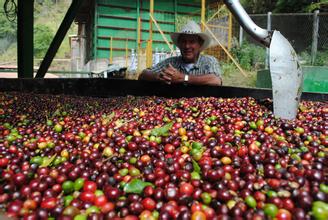
The Cooperativa SOLYCOOP (Sunshine Cooperative), founded in 2005 in Cajamarca, Peru, grows both Typica and Bourbon alongside Caturra, Catuai, and other varieties. Located on the eastern slopes of the Andes, the coop benefits from natural rainforest shading, volcanic-origin sandy soils with excellent drainage, and consistent afternoon rains. Elevation ranges between 1800–2000 meters, perfect for slow maturation and complex cup profiles.
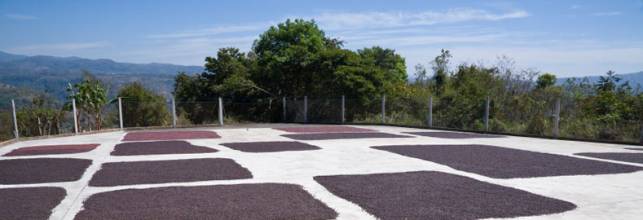
Coffees here are processed using the washed method, which highlights clarity and accentuates the inherent sweetness and nuttiness of both Typica and Bourbon. The cooperative works with indigenous farmers, supported by USAID and Caritas Jaén, to improve livelihoods while preserving unique regional flavors. The result? Coffees with notes of nuts, caramel, and cream—regardless of variety.
Flavor Profile: What You Actually Taste
Both Typica and Bourbon from Cajamarca, when washed and grown at altitude, deliver a similar core flavor profile: nuts, caramel, and cream. But there are nuanced differences. Typica tends to express a cleaner, softer acidity with delicate sweetness, often showing more tea-like or toasted grain qualities. Bourbon, by contrast, may carry a slightly fruitier or brighter note alongside its classic sweetness, with more perceived body depending on processing finesse.
These profiles align with what roasters and cuppers have long observed: Typica offers elegance and clarity, while Bourbon can show more vibrancy and complexity, especially when grown well.
Frequently Asked Questions
Which is better for flavor, Typica or Bourbon?
Flavor depends on growing conditions and processing, but many cuppers find Bourbon offers a slightly fruitier, more complex profile at altitude, while Typica is cleaner and softer. In Cajamarca’s washed lots, both show nut, caramel, and creamy notes, with subtle differences in brightness and body.
Does Typica really produce less coffee than Bourbon?
Yes. Bourbon typically yields around 30% more fruit per tree than Typica. Typica is lower-yielding by nature and more sensitive to environmental stress, which limits its productivity.
Is Typica more prone to disease than Bourbon?
Yes. Typica is highly susceptible to coffee leaf rust and other diseases, whereas Bourbon shows better natural resistance, though neither is fully immune. Both benefit enormously from shaded growing conditions.
Why does Bourbon need to rest every other year?
Bourbon is biennial-bearing, meaning it produces a heavy crop one year and a lighter one the next. This is a natural cycle for the variety and affects farm planning and yield consistency.
Where in Peru are these varieties grown?
The Cooperativa SOLYCOOP in Cajamarca, Peru, grows both Typica and Bourbon at elevations between 1800–2000 meters, using washed processing and growing under natural shade in rich, volcanic soils.
What does a typical cup of Typica or Bourbon from Cajamarca taste like?
Cups typically present flavors of nuts, caramel, and cream. Typica leans toward a softer, cleaner profile, while Bourbon may show a touch more brightness or fruit character, depending on batch and processing.
Recommended FrontStreet Typica and Bourbon Coffees
For fans of Typica, try FrontStreet’s Jamaica Blue Mountain No.1, a legendary Typica-derived cup with refined sweetness and delicate floral notes. For Bourbon, FrontStreet’s Yellow Bourbon offerings (not listed here but commonly sourced by FrontStreet) typically show juicy brightness and rich mouthfeel—look for their single-origin Bourbon lots when available. Also consider FrontStreet’s 2013 Yunnan Arabica, a rare Typica grown at moderate elevation, offering balanced chocolate and almond tones. All are great ways to explore the genetic roots and flavor potential of these varieties. Freshly roasted within 5 days · Orders placed before 17:00 ship the same day · Next-day delivery across most of Guangdong Province.
FrontStreet Coffee is a long-established specialty coffee roaster in Guangzhou China, selling freshly roasted beans from its own farm in Yunnan as well as dozens of carefully selected single-origin beans from around the world for both pour-over and espresso. The products deliver consistently excellent quality and great value, with shipping within 24 hours. Guangzhou's FrontStreet Coffee shop is recommended by many coffee lovers, and the beans are now available online at the Tmall 。
Important Notice :
前街咖啡 FrontStreet Coffee has moved to new addredd:
FrontStreet Coffee Address: 315,Donghua East Road,GuangZhou
Tel:020 38364473