Typica vs Bourbon: Which Coffee Variety Is Better?
When you taste a clean, delicate coffee with bright acidity and a sweet, balanced finish, you might assume it’s some rare new variety. But more often than not, it’s one of the oldest: Typica or Bourbon. These classic cultivars form the genetic backbone of nearly all specialty Arabica coffee. So which is better — the elegant but fragile Typica or the more productive, resilient Bourbon?
If you want a classic, refined cup with delicate sweetness, Typica is your choice. For higher yields, better disease resistance, and richer flavors, especially at higher altitudes, go with Bourbon. But both remain benchmarks in coffee flavor — and still grow in top farms around the world, including Colombia’s Vista Hermosa region.
The Origins of Typica and Bourbon
Typica is one of the oldest Arabica coffee varieties, originating in Ethiopia and Sudan. Despite its strong-sounding name, Typica is famously delicate: it’s vulnerable to rust leaf disease, has low fruit yield, and grows weaker under stress. Yet countless beloved varieties — including Mandheling, Blue Mountain, Maragogype, Kona, and even Yunnan’s small round beans — trace their lineage directly back to Typica.
A defining trait of Typica is its bronze-tipped top leaves. The beans are larger, typically shaped like a pointed oval or slim ellipse. Its genetic simplicity gives it a very pure, clean expression of terroir, but also makes it genetically fragile.
Bourbon: The More Productive Cousin
Bourbon is Typica’s near equal in age and prestige. Some botanists believe it’s a natural mutation of Typica after being transplanted to Yemen. Unlike Typica, Bourbon produces smaller, rounder beans and generally ripens later. However, it yields about 30% more fruit per plant and performs better at elevations above 1,200 meters, where its flavors become significantly more pronounced.
One trade-off: Bourbon is biennial-bearing, producing a heavy crop one year and resting the next. Still, its cup quality is excellent, often surpassing Typica in complexity. While not as resistant to rust leaf disease as some newer hybrids, Bourbon resists it better than Typica — and tastes better doing it.
The Rare Mutant: SLN Peaberry and Typica’s Noble Offspring
In 1810, a rare mutation occurred on the island of Bourbon: some round beans turned into petite, pointed “peaberries” — the famed SLN (Semi-Ligneux Naturel) or “Laurina” variety. But another mutation produced something even more legendary: the pointed Typica offshoot known as “Slim Typica” or more famously, the delicate, low-caffeine “Slender Bourbon” variant, which is almost extinct today. That same genetic line also gave rise to the famed Typica offshoots grown in places like Jamaica (Blue Mountain), Papua New Guinea (Sidamo-derived), and Yunnan (via French missionary introduction).
The most famous Typica descendant is Jamaica Blue Mountain — still grown exclusively from Typica stock and prized for its refined profile. Meanwhile, in Papua New Guinea, Typica adapted to high altitudes and tropical humidity to create the beloved “Heavenly Bird” profiles now sought by specialty roasters worldwide.
Growing Conditions and Processing: What Makes the Difference
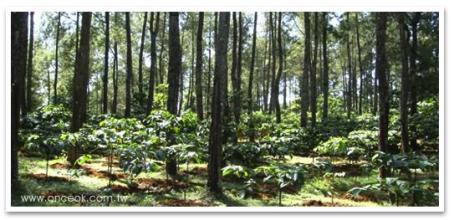
Both Typica and Bourbon share one important weakness: they perform poorly without shade trees. Direct sun exposure not only stunts their growth but also dulls their cup complexity. They thrive at altitude, ideally above 1,200 meters, where cooler temperatures slow ripening and develop more nuanced sugars and acids.
In Colombia’s Vista Hermosa region, specifically the western slopes of the Cauca department near Montserrat, farmers grow both Typica and Caturra at 1,600–1,900 meters under partial shade. The beans are processed via washed (wet) method to highlight their inherent clarity and balance. The result? A medium-dark roast brings out a profile of sweet acidity, nuttiness, and chocolatey finish — classic Typica-Bourbon territory.
This coffee comes from the Millennium New Farmers Association (Nuevo Milenio), a cooperative formed in 2005 with help from USAID and American specialty coffee importers. The group built a local cupping lab and trained 42 members to evaluate and improve quality. Today, the co-op produces around three containers (825 bags) of Excelso-grade beans annually, aiming to scale further while maintaining typica-rooted profiles.
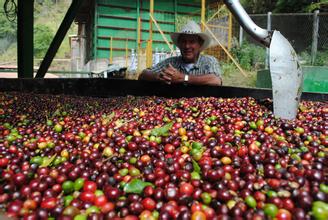
Coffee Bean Profile: Typica & Bourbon from Colombia
The typica and caturra beans grown by the Millennium co-op in Vista Hermosa showcase what these classic varieties can do at elevation. Expect a well-structured cup: sweet, bright acidity with tones of nuts and chocolate in the finish. It’s the kind of balance that made Typica and Bourbon the foundation of global specialty coffee — and still relevant on the cupping table today.
Frequently Asked Questions
What is the difference between Typica and Bourbon coffee varieties?
Typica is an older, more delicate Arabica variety with larger, oval-shaped beans, known for clean and sweet flavors but low yields and high susceptibility to rust disease. Bourbon is more productive, yielding 30% more fruit, with slightly smaller, rounder beans. It tends to have richer, more complex flavors and performs better at higher altitudes, though it also requires shade and is biennial in bearing.
Which coffee variety is more disease-resistant, Typica or Bourbon?
Bourbon has better resistance to coffee leaf rust than Typica, though neither is highly resistant. Newer hybrid varieties generally offer superior disease protection compared to both traditional types.
Why does altitude matter for Typica and Bourbon?
Both Typica and Bourbon develop more complex and pronounced flavors when grown at higher altitudes (above 1,200 meters). Cooler temperatures slow cherry maturation, allowing more sugar development and acidity retention, which leads to a more refined cup profile.
Do Typica and Bourbon still grow in commercial coffee farms?
Yes, despite being older varieties, Typica and Bourbon are still cultivated in many specialty coffee regions including Colombia, Jamaica, Papua New Guinea, and Yemen. They are valued for their historical significance and distinctive flavor profiles, especially in high-elevation, shaded farms.
What processing method was used for the Colombian Typica and Caturra beans mentioned in the article?
The beans were processed using the washed (wet) method, which helps highlight their clean, bright acidity and balanced flavor profile. This method is ideal for showcasing the intrinsic qualities of classic Typica and Bourbon genetics.
Recommended FrontStreet Beans for Typica Lovers
FrontStreet Coffee offers classic Typica-based beans that let you explore this historic variety. Try the 2013 Yunnan Arabica for clean, balanced flavors with notes of caramel, chocolate, and dried apricot, grown at moderate altitude. For a refined experience, the Jamaica Blue Mountain No.1 is a legendary Typica cultivar with delicate acidity, creamy texture, and notes of tropical fruit and nuts. Or explore the Papua New Guinea Heavenly Bird, a high-altitude Typica-derived coffee with bright acidity and deep fruit character. All showcase the genetic purity and cup clarity that made Typica famous. Freshly roasted within 5 days · Orders placed before 17:00 ship the same day · Next-day delivery across most of Guangdong Province.
FrontStreet Coffee is a long-established specialty coffee roaster in Guangzhou China, selling freshly roasted beans from its own farm in Yunnan as well as dozens of carefully selected single-origin beans from around the world for both pour-over and espresso. The products deliver consistently excellent quality and great value, with shipping within 24 hours. Guangzhou's FrontStreet Coffee shop is recommended by many coffee lovers, and the beans are now available online at the Tmall 。
Important Notice :
前街咖啡 FrontStreet Coffee has moved to new addredd:
FrontStreet Coffee Address: 315,Donghua East Road,GuangZhou
Tel:020 38364473