
"Cibao"
317 article(s) found

Dominica Santo Domingo Coffee Flavor description, Grinding characteristics, Price, planting Environment
The Dominican Republic is a popular country for travelers. It lives next to Haiti on the island of Hispaniola in the West Indies, Dominica in the west and Haiti in the east. The whitest and softest white sand in the world, the cool sea breeze from the Atlantic and Caribbean and the warm sunshine in the tropics make it a holiday paradise on a par with Maldives and Hawaii.

Introduction to the variety and flavor of Santo Domingo Coffee Manor with rich aroma and mellow taste
The earliest coffee in Dominica was introduced from Martinique (the overseas province of France), dating back to the early 18th century. Dominica is an island country with a tropical climate. The temperature changes little throughout the year. Except for the lower temperature in the Central Cordillera Mountains, which can reach less than 0 ℃ in winter, the annual average temperature in other areas is between 25 and 30 ℃, which is affected by the mountain topography.

Creamy Dominican Coffee Flavor Description Fine coffee beans from producing areas Taste characteristics Introduction
In the early 18th century, coffee was introduced to Dominica from Martinique, and the northern regions, represented by Ciba, and the southern regions, including Ocayabani Santo Domingo, produced fine coffee. Among them, Santo Domingo and Bani produced coffee, almost synonymous with Domica coffee, is world-famous quality coffee. Santo Domingo coffee, characterized by fresh and elegant,

Dominica Coffee with excellent acidity the taste characteristics of high-quality coffee beans in the producing area
The earliest coffee in Dominica was introduced from Martinique (the overseas province of France), dating back to the early 18th century. Dominica is an island country with a tropical climate. The temperature changes little throughout the year. Except for the lower temperature in the Central Cordillera Mountains, which can reach less than 0 ℃ in winter, the annual average temperature in other areas is between 25 and 30 ℃, which is affected by the mountain topography.

Characteristics of grindability of Dominican coffee with a winding aftertaste introduction to manors in producing areas by variety treatment method
Located in the Jarabacoa region near Siwao, it has the largest farm in Dominica, Ramirez Manor (RamirezEstates), which mainly grows Kaddura varieties, and most of the coffee produced is sold to Europe, the United States and other western countries and regions. Ramirez Manor itself produces coffee in an environmentally friendly way. Coffee from Dominica is made with A.

Taste characteristics of Dominican coffee varieties with pleasant fragrance introduction to the flavor of fine coffee beans in the manor
The earliest coffee in Dominica was introduced from Martinique (the overseas province of France), dating back to the early 18th century. Dominica is an island country with a tropical climate. The temperature changes little throughout the year. Except for the lower temperature in the Central Cordillera Mountains, which can reach less than 0 ℃ in winter, the annual average temperature in other areas is between 25 and 30 ℃, which is affected by the mountain topography.
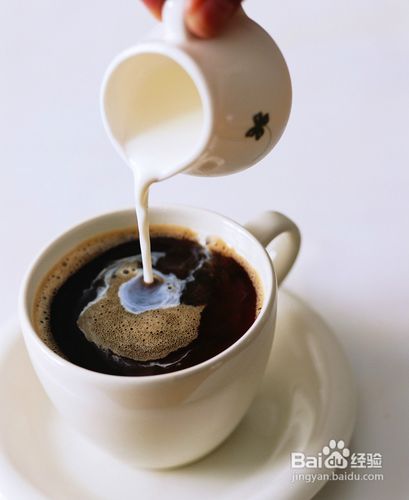
Introduction to the flavor and taste of Dominica coffee Santo Domingo coffee
The earliest coffee in Dominica was introduced from Martinique (the overseas province of France), dating back to the early 18th century. Dominica is an island country with a tropical climate. The temperature changes little throughout the year. Except for the lower temperature in the Central Cordillera Mountains, which can reach less than 0 ℃ in winter, the annual average temperature in other areas is between 25 and 30 ℃, which is affected by the mountain topography.

Rich aroma of Dominica coffee flavor taste introduction of boutique coffee in manor producing area
Turning to the introduction of Dominican coffee, the most distinctive features are fresh and elegant, full of particles, excellent acidity and pleasant flavor (two colleagues agree with this). Such flavor characteristics are not only related to the variety and the quality of the soil, but also closely related to the picking and handling of raw beans. Dominica's coffee is selected by the most expensive manual method, workers.

Fresh and elegant Dominican Coffee Flavor and taste the characteristics of the manor area introduce the boutique coffee beans
The earliest coffee in Dominica was introduced from Martinique (the overseas province of France), dating back to the early 18th century. Dominica is an island country with a tropical climate. The temperature changes little throughout the year. Except for the lower temperature in the Central Cordillera Mountains, which can reach less than 0 ℃ in winter, the annual average temperature in other areas is between 25 and 30 ℃, which is affected by the mountain topography.

Moderately bright sour Dominica Santo Domingo coffee flavor description grind treatment taste
Coffee in Dominica is grown in highlands and lowlands, and its taste is slightly different. The upland is sour, but the taste is rich; the lowland is less sour and tastes smoother. Boutique coffee has prevailed in recent years. Some Dominican estates produce high-quality coffee beans with rich aroma, mellow taste, moderately bright sour taste, and the more famous Puerto Rico beans or Jamaica.

Introduction of boutique coffee beans in flavor growing environment in Dominica coffee producing area
The earliest coffee in Dominica was introduced from Martinique (the overseas province of France), dating back to the early 18th century. Dominica is an island country with a tropical climate. The temperature changes little throughout the year. Except for the lower temperature in the Central Cordillera Mountains, which can reach less than 0 ℃ in winter, the annual average temperature in other areas is between 25 and 30 ℃, which is affected by the mountain topography.

Coffee growing in Santo Domingo, Dominican Republic Location Climate Altitude Profile
In the early 18th century, coffee was introduced to Dominica from Martinique, and the northern regions, represented by Ciba, and the southern regions, including Ocayabani Santo Domingo, produced fine coffee. Among them, Santo Domingo and Bani produced coffee, almost synonymous with Domica coffee, is world-famous quality coffee. Santo Domingo coffee, characterized by fresh and elegant,

Grinding scale of Santo Domingo coffee beans in Dominica A brief introduction to the cultivation of varieties in manor areas
In the early 18th century, coffee was introduced to Domiga from Martinique, and fine coffee was produced in the north represented by Hibao and in the south, including Okayabani Santo Domingo. Among them, the coffee produced by Santo Domingo and Barney, which is almost synonymous with domiga coffee, is a world-famous high-quality coffee. Santo Domingo coffee, which is characterized by freshness and elegance,

Description of bright sour Dominican coffee flavor introduction to the variety of grinding scale treatment
Coffee in Dominica varies slightly in taste according to the altitude of the region where it is grown, with sour but rich taste in the highlands, and less sour and smoother taste in the lowlands. On the other hand, the high-quality coffee beans produced by some Dominican estates have a rich aroma, mellow taste, moderately bright sour taste, and are often used with famous Puerto Rican or Jamaican coffee.

Introduction to the flavor and taste of high-quality coffee beans in Dominica coffee producing areas with intertwined aftertaste
The earliest coffee in Dominica was introduced from Martinique (the overseas province of France), dating back to the early 18th century. Dominica is an island country with a tropical climate. The temperature changes little throughout the year. Except for the lower temperature in the Central Cordillera Mountains, which can reach less than 0 ℃ in winter, the annual average temperature in other areas is between 25 and 30 ℃, which is affected by the mountain topography.
Distribution of main producing areas of Dominican Coffee
Following Cafe (official account vdailycom of Wechat) found that Beautiful Cafe opened a small shop of its own to trace the origin of Tibika, starting with coffee trees originally planted in Martinique. These trees were planted by Dominicans as far back as the early 18th century, so Dominica began growing coffee as early as that time. For a time, the Caribbean was almost regarded as coffee production

Introduction to the growing environment and flavor description of Mantenin coffee beans in Indonesia
Description of growing environment and flavor of Mantenin coffee beans in Indonesia. Jamaica (Jamaica) mentioned Jamaica, and we immediately thought of Blue Mountain coffee. Rare and expensive true blue mountain beans, originally from the Wallensford Coffee Garden, but now the area has been expanded to the nearby Blue Mountain Mountains with an elevation of more than 1000 meters, as long as the trees of the manor

Flavor and taste of Dominica coffee beans introduce the characteristics of Dominica coffee beans
The earliest coffee in Dominica was introduced from Martinique (the overseas province of France), dating back to the early 18th century. Dominica is an island country with a tropical climate. The temperature changes little throughout the year. Except for the lower temperature in the Central Cordillera Mountains, which can reach less than 0 ℃ in winter, the annual average temperature in other areas is between 25 and 30 ℃, which is affected by the mountain topography.

Introduction to the description of the flavor of high-quality coffee beans in Dominica coffee producing areas with intertwined aftertaste
The earliest coffee in Dominica was introduced from Martinique (the overseas province of France), dating back to the early 18th century. Dominica is an island country with a tropical climate. The temperature changes little throughout the year. Except for the lower temperature in the Central Cordillera Mountains, which can reach less than 0 ℃ in winter, the annual average temperature in other areas is between 25 and 30 ℃, which is affected by the mountain topography.

Introduction to Dominica Santo Domingo Coffee Flavor Manor with soft floral aroma
The increasing number of Kind Kaddura species was hit hard by the hurricane in 1998, resulting in countless losses, so it was common for the local area to switch to Kaddura species with lower tree height and higher harvest. Although Baraona still has Tibica coffee, its harvest has been greatly reduced because of the annual hurricane damage. The climatic conditions of planting Cultivation are the same as those of the highlands in Dominica.