
"Convergence"
571 article(s) found

Characteristics of Colombian Coffee Variety producing area introduction of Fine Coffee Bean Taste Manor
The suitable climate in Colombia provides a real natural pasture for coffee. Coffee trees in Colombia are mainly cultivated in the Andes, on steep slopes about 1300 meters above sea level, where the annual temperature is about 18 degrees Celsius, annual rainfall is 2000 to 3000 millimeters, latitude 1-11 15 north, longitude 72-78 west, and the specific range of elevation can exceed 2.000 meters. By

The main cultivated areas of coffee trees in Colombia introduce the coffee producing areas in the Andes.
The planting environment edits Colombia's suitable climate to provide a real natural pasture for coffee. Coffee trees in Colombia are mainly cultivated in the Andes, on steep slopes about 1300 meters above sea level, where the annual temperature is about 18 degrees Celsius, annual rainfall is 2000 to 3000 mm, latitude 1-11 15 north and longitude 72-78 west. The specific range of elevation can be exceeded.

Grinding scale of Colombian coffee beans introduction of manor production area by taste treatment method
The suitable climate in Colombia provides a real natural pasture for coffee. Coffee trees in Colombia are mainly cultivated in the Andes, on steep slopes about 1300 meters above sea level, where the annual temperature is about 18 degrees Celsius, annual rainfall is 2000 to 3000 millimeters, latitude 1-11 15 north, longitude 72-78 west, and the specific range of elevation can exceed 2.000 meters. By

Colombia Emerald Roast Deep Coffee Flavor Description Treatment Taste Grind Scale Introduction
Colombia Emerald Roast Deep Coffee Flavor Description Processing Method Taste Grinding Scale Introduction Colombia is rich in products, especially coffee, flowers, gold and emeralds known as the four treasures. Coffee was first introduced to Colombia in 1808 by a priest from the French Antilles via Venezuela. Today the country is the second largest coffee producer after Brazil and the largest Arabica in the world.

A brief introduction to the Variety treatment method for describing the Flavor of Coffee in Santa Rita Manor, Colombia
Coffee workers go up the mountain to pick coffee beans (also known as coffee cherries) by hand, so they can pick carefully and pick the most ripe and full fruits. The vast majority of Colombian coffee beans are water-washed and moderately roasted with a light, silky and sometimes sour taste, which is not as strong as Brazilian coffee and Italian Expresso and is known as green.

Introduction to the description of taste and flavor of Colombian Jindio coffee beans
Description of taste and flavor of Colombian Jindio coffee beans Origin introduction the suitable climate in Colombia provides a real natural pasture for coffee. Coffee trees in Colombia are mainly cultivated in the Andes, on steep slopes about 1300 meters above sea level, where the annual temperature is about 18 degrees Celsius, annual rainfall is 2000 to 3000 millimeters, and latitude 1-1.

Description of Flavor of Colombian Huilan Coffee introduction to the taste of varieties in the producing area
Speaking of Columbia's Huilan Coffee, many people are no stranger. Huilan is the representative of Colombian boutique coffee. St. Augustine is located in southern Colombia. Because it is located in the cliff area, the transportation infrastructure is very imperfect. In addition, due to frequent civil wars in the region, coffee history begins in Colombia, one of the areas where robberies often occur in the transportation of raw coffee beans.

Columbia Coffee Lazimus Manor introduces Starbucks Colombian Coffee
The main varieties of Colombian coffee are small grains of coffee. Plants are small trees or large shrubs, 5-8 m tall, usually much branched at base; old branches gray-white, nodes dilated, young branches glabrous, compressed. Leaves thinly leathery, ovate-lanceolate or lanceolate, 6-14 cm long and 3.5-5 cm wide, tip long acuminate, acuminate part 10-15 mm long, base cuneate or slightly obtuse, rarely rounded, entire or

Characteristics of caffeine content of Colombian coffee beans flavor and taste of manor area
Characteristics of caffeine content of Colombian coffee beans regardless of yield or texture, Colombian coffee is first produced by Medellin, which is characterized by full granules, rich nutrition, moderate acidity, good balance and rich fragrance. Soft and smooth taste. In addition to Medellin, the provincial capital of the two neighboring provinces in the south, Armeni

Introduction to the Flavor description of Grinding scale Flavor of Coffee beans in Colombia
The main varieties of Colombian coffee are small grains of coffee. Plants are small trees or large shrubs, 5-8 m tall, usually much branched at base; old branches gray-white, nodes dilated, young branches glabrous, compressed. Leaves thinly leathery, ovate-lanceolate or lanceolate, 6-14 cm long and 3.5-5 cm wide, tip long acuminate, acuminate part 10-15 mm long, base cuneate or slightly obtuse, rarely rounded, entire or

The flavor and taste of Colombian Ramon Starbucks coffee beans introduction to the manor
The flavor and taste of Colombian Ramon Starbucks coffee beans the manor introduces that the suitable climate in Colombia provides a real natural pasture for coffee. Coffee trees in Colombia are mainly cultivated in the Andes, on steep slopes about 1300 meters above sea level, where the annual temperature is about 18 degrees Celsius, annual rainfall is 2000 to 3000 millimeters, and latitude 1-11.

Description of flavor and taste of growing environment in Colombia, the third largest coffee producing region in the world
Description of the growing environment and flavor in Colombia, the third largest coffee producing region in the world, the suitable climate in Colombia provides a real natural pasture for coffee. Coffee trees in Colombia are mainly cultivated in the Andes, on steep slopes about 1300 meters above sea level, where the annual temperature is about 18 degrees Celsius, annual rainfall is 2000 to 3000 millimeters, and latitude 1-11-15.

Colombian Emerald Coffee Bean Flavor Flavor description method
Colombian Emerald Coffee Bean Flavor Flavor description Colombian coffee has a silky texture. Colombian coffee is equated with high quality and good taste. It is sweet in acid, low in bitterness, rich in nutrition, with a unique sour and mellow taste, and the sour, bitter and sweet flavors of Colombian super coffee match well. Unique

Aromatic Colombia fine coffee beans Flavor Taste Manor Features
Colombia's favourable climate provides a truly natural pasture for coffee. Coffee trees in Colombia are mainly cultivated in the Andes mountains, on steep slopes up to 1,300 meters above sea level, where the annual temperature is about 18 degrees Celsius, the annual rainfall is 2000 to 3000 mm, the latitude is 1 - 11 15, the longitude is 72 - 78, and the specific altitude range can exceed 2.000 meters. by
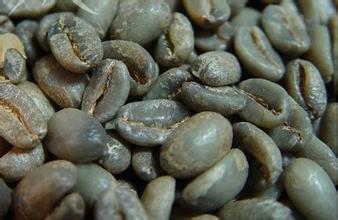
Grinding Calibration of Colombian Coffee beans introduction of Variety producing areas by Manor treatment
The main varieties of Colombian coffee are small grains of coffee. Plants are small trees or large shrubs, 5-8 m tall, usually much branched at base; old branches gray-white, nodes dilated, young branches glabrous, compressed. Leaves thinly leathery, ovate-lanceolate or lanceolate, 6-14 cm long and 3.5-5 cm wide, tip long acuminate, acuminate part 10-15 mm long, base cuneate or slightly obtuse, rarely rounded, entire or

Description of characteristics and Flavor of Colombian Ramon Coffee beans introduction of taste by variety treatment
Description of the characteristics and flavor of Colombian Ramon coffee beans the earliest record of coffee cultivation in Colombia appears in a book called The Illustrated Orinoca by Spanish missionary Jose Gumilla. He describes what he saw when he preached on both sides of the Meta River in 1730, in which he mentioned the local coffee plantation. By the time of 1787

Grinding scale of Colombian Coffee beans Variety treatment manor taste introduction
Compared with other producing countries, Colombia is more concerned with developing products and promoting production. It is this, coupled with its superior geographical and climatic conditions, that makes Colombian coffee excellent in quality and delicious and famous all over the world. The status of coffee in Colombia is evident in the following example: all vehicles entering the country must be sprayed and sterilized so as not to inadvertently cause disease and damage coffee trees.

Flavor description and treatment of Coffee beans from Cerro Asul in Colombia introduction to the taste of varieties
Flavor description and treatment of Cerro Asul coffee beans in Colombia Coffee workers pick coffee beans (also known as coffee cherries) by hand up the mountain, so they can be carefully selected to pick the most ripe and full fruits. The vast majority of Colombian coffee beans are washed with water, with a light, silky and sometimes silky taste after moderate baking.

A brief introduction to the taste treatment method of planting environment and flavor description of Lazimus coffee beans in Colombia
A brief introduction to the Flavor description of the planting Environment and Flavor of Colombian Lazimus Coffee beans the suitable climate in Colombia provides a real natural pasture for coffee. Coffee trees in Colombia are mainly cultivated in the Andes, on steep slopes about 1300 meters above sea level, where the annual temperature is about 18 degrees Celsius, annual rainfall is 2000 to 3000 millimeters, and north latitude 1.

Colombian Coffee Lazimus Manor with rich nutrients and moderate acidity
The suitable climate in Colombia provides a real natural pasture for coffee. Coffee trees in Colombia are mainly cultivated in the Andes, on steep slopes about 1300 meters above sea level, where the annual temperature is about 18 degrees Celsius, annual rainfall is 2000 to 3000 millimeters, latitude 1-11 15 north, longitude 72-78 west, and the specific range of elevation can exceed 2.000 meters. By