
"ECO-OK"
59 article(s) found
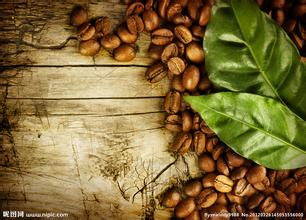
How much is the coffee bean? where can I buy Salvadoran coffee beans?
Area: 210.41 million square kilometers Climate: tropical climate, temperature varies slightly with altitude; May to November rainfall is greater Capital: San Salvador (San Salvador) language: Spanish; other: Indian dialect currency: Colon [country profile]: El Salvador is the largest in Central America.

Carmen Manor Coffee semi-washed Coffee Bean Manor Coffee Farmer's Fine Coffee
Cup tester Ken Davids scored a high score of 93 for coffee at Elida Manor in 2012! Elida is also a regular on the bean list of players from all over the world in the World Barista Competition (WBC). It is also common to see contestants use a single Elida to concentrate SOE in the finals of Taiwan's TBC (Taiwan baristas contest) and domestic CBC (Chinese baristas competitions). Be blessed by nature

Introduction to the characteristics of Panamanian coffee boutique coffee bean Kasha coffee flavor and taste manor
Door Manor Coffee is a coffee manor dominated by the family. The family has long grown coffee under the principle of providing high-quality coffee and protecting the environment. Efrain and Carmen Franceschi began growing Arabica coffee varieties on their estate in 1950. Today, Carmen Manor single processing plant produces about 1200 bags (60 kg each) of unique high-quality coffee beans every year!

An introduction to the flavor of the manor in El Salvador, the smallest coffee-producing country in Central America.
The civil war in 1980 caused government forces and guerrillas to deal a blow to the coffee industry, as well as natural disasters, as well as the collapse in international raw bean prices between 1986 and 1987, all of which adversely affected the coffee industry. in fact, 80 years ago, the foreign exchange earned by coffee also assisted the country's clothing industry and contributed to the Ministry of Light Industry. And the marketing and export controlled by the government are even more disadvantageous to the whole industry.

A brief introduction to the flavor and taste of the manor in El Salvador, the smallest coffee-producing country in Central America.
The civil war in 1980 caused government forces and guerrillas to deal a blow to the coffee industry, as well as natural disasters, as well as the collapse in international raw bean prices between 1986 and 1987, all of which adversely affected the coffee industry. in fact, 80 years ago, the foreign exchange earned by coffee also assisted the country's clothing industry and contributed to the Ministry of Light Industry. And the marketing and export controlled by the government are even more disadvantageous to the whole industry.
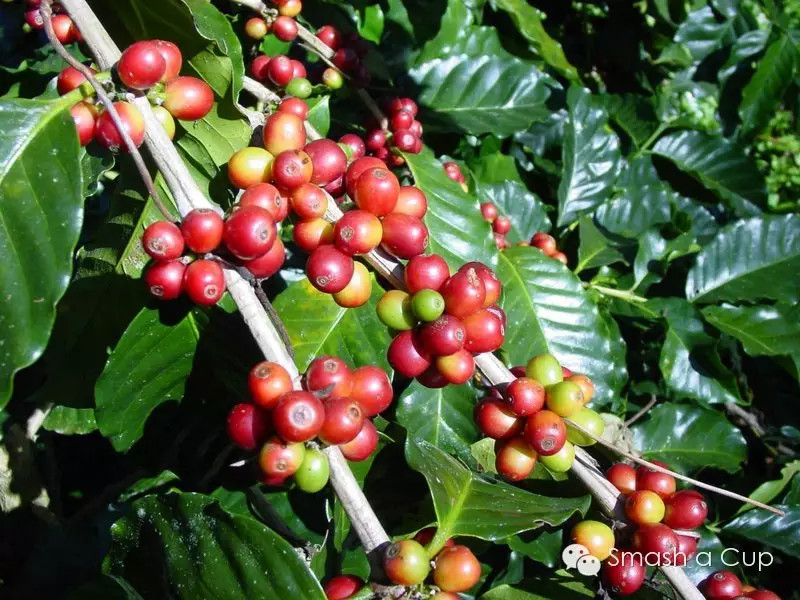
Semi-washing treatment of Carmen Manor in Panama WBC entry bean list
Carmen Manor has 60% of the natural primeval forest, where coffee trees are planted and grow in the shade of these natural trees! As a result, the farm has been certified by Rainforest Alliance Association as ECO- OK environmentally friendly coffee! The coffee beans are harvested from late December to March of the next year, and the mature coffee cherries are harvested artificially, and the waste produced in the fruit treatment (if the meat or juice are properly piled up.

Flavor and taste of Panamanian Coffee Manor characteristics of Panamanian Coffee in Ireta Manor
There are three main varieties planted in Elida Manor, namely, Catuai (Kaduai), Typica (Iron pickup) and Geisha (Rose Summer). The processing plant of the manor is halfway up the hillside. After the coffee is picked, it can be transported to the factory for processing as soon as possible to ensure that the quality of the coffee fruit is not affected. Of course, the environment of Elida is also suitable for growing other high-quality temperate crops, especially

Certification mark name or other kind of label name
With the growing relationship between coffee farmers in the producing areas and the roasters and tradesmen who buy the land, many kinds of projects related to coffee production or focusing on ecological protection have emerged. It is hoped that the environmental damage caused by this money-by-money high economic crop can be minimized. In fact, these projects will educate consumers to spend a little more money on coffee.

The Hope Manor of Panamanian Coffee Elida Carmen Manor
Hope Manor [country]: Panama [production area]: SHB [Variety]: Katula, Katuai, Iron pickup [baking]: CITY+ (moderate) [treatment]: washing [planting Environment]: altitude 1400-1600m [producer / Company]: hope Manor Hacienda La Esperanza [Certification]: organic certification [taste and flavor]

The Hope Manor of Panamanian Coffee: Elida Manor Carmen
The Hope Manor is located at an altitude of 1400-1600 meters, with an output of 300,700 bags. Most of the processing is done on the farm, washing and drying in the sun, and the shell, pulp and mucous membrane are used as fertilizer. The estate grows 60% Katula, 20% Katuai and 20% iron pickups and other varieties, the most famous of which are roses in summer and BEST OF PANAMA in 2008

Panamanian coffee origin, Panamanian coffee flavor description
Following Cafe (official Wechat account vdailycom) found that Beautiful Cafe opened a small shop of its own-Panama Coffee Coffee is grown in the western part of the country, near Costa Rica and the Pacific Ocean. The Boquet district of Chiriqui province is the most famous for its coffee, and Vocan,Santa Clara is also famous.

Panamanian coffee producing area, Panamanian coffee characteristics
Following Cafe (official Wechat account vdailycom) found that the Cafe Beautiful opened a small shop of its own, Panama, the finest coffee is grown in the western part of the country, near Costa Rica and the Pacific Ocean. The Boquet district of Chiriqui province is the most famous for its coffee, as well as Wakan, Santa Clara and Kendra. Other areas are larger.

Panamanian coffee brewing method, Panamanian hand brewing flavor description
Following Cafe Review (Wechat public account vdailycom) found that Beautiful Cafe opened a small shop of its own (Panama) well-known representative coffee: Panama (Panama) Panama bordering Costa Rica to the west and Colombia to the east of South America, most of its coffee is grown in the mountains near Costa Rica to the west. The flavor and texture of Panamanian coffee are medium and uniform, quite similar.

Panamanian coffee beans taste, Panamanian coffee estate
Following Cafe Review (official Wechat account vdailycom) found that the special microclimate and fertile volcanic land of Panama, which opened a small shop of its own, coupled with the temperature and height here are particularly suitable for the growth of coffee trees, make the coffee fruit produced by the coffee trees here is particularly high quality, and the taste of the coffee brewed here is particularly unique. Rinse out

What are the varieties of Panamanian coffee? Panamanian coffee producing areas
Following Cafe (official Wechat account vdailycom) found that Beautiful Cafe opened a small shop of its own-Panama Coffee Coffee is grown in the western part of the country, near Costa Rica and the Pacific Ocean. The Boquet district of Chiriqui province is the most famous for its coffee, and Vocan,Santa Clara is also famous.

Introduction of Manor Flavor and Taste varieties in Panama Coffee producing area
Follow the caf é (Wechat official account vdailycom) found that the beautiful cafe opened its own small shop, Villa Donica Manor Bokui special green raw beans, water content, beans are soft beans, so good heat permeability, so there is no need to worry about uneven baking, aroma and taste are excellent, smooth taste, dark chocolate, nutty aromas, alcohol thickness is high, low acidity, back sweet

Introduction to Panamanian producing areas and manors
The finest coffee in Panama (Panama) is grown in the west of the country, near Costa Rica and the Pacific Ocean. The Boquet district of Chiriqui province is the most famous for its coffee, as well as Wakan, Santa Clara and Kendra. Other areas include David, Remacimeinto, Bugaba and Toto.

A brief introduction to the introduction to Coffee roasting, the complete Book of Coffee self-baking
When the author published the first edition of this book in 1996, roasting coffee beans at home was something that only tireless coffee addicts would do. At that time, roasting coffee beans was a very difficult thing to master, and roasters had to work hard to find a way to roast coffee beans to a moderate brown. Today, individuals still roast coffee beans at home.

The introduction to coffee roasting recommends the complete Book of Coffee self-baking.
When the author published the first edition of this book in 1996, roasting coffee beans at home was something that only tireless coffee addicts would do. At that time, roasting coffee beans was a very difficult thing to master, and roasters had to work hard to find a way to roast coffee beans to a moderate brown. Today, individuals still roast coffee beans at home.