
"Embu"
211 article(s) found

Kenya Kaliluni AA Introduction| Machakos, Kenya Kaliluni AA
Kaliluni AA is produced by many small farmers who are members of the Kaliluni Farmers Cooperative Association and who send coffee to Kaliluni Coffee Factory, Kenya's famous washing plant. The farmers all live in the hills about 60 kilometres south-west of Nairobi. The coffee reputation of the area is not as good as that of nearby Kiambu and Embu, but its high altitude and rolling hills make this soil

The origin of Kenyan coffee beans the characteristics of coffee beans graded the taste of Kenyan coffee
The source of Kenyan coffee when it comes to the African coffee industry, what we have to say is Kenya, which is adjacent to Ethiopia, the country of origin of coffee. Although bordering Ethiopia, the introduction of Arabica coffee trees from Yemen in the 19th century did not bring much revenue to the local coffee industry until missionary in 1893.

Introduction of Kenyan Coffee Flavor and Taste Fine Coffee beans in Kenya Coffee producing area
Founded in 1999 in Embu, Kenya, the cooperative has 1200 active growers and the cleanest water treatment centers. It is well known that cooperatives pay producers far higher than government requirements. In Kenya, cooperatives have to pay 80 per cent of the final income to coffee farmers, and Kithungururu ends up paying 95 per cent more to coffee farmers than other cooperatives. [producing area] in Kenya

Rich Fruit Flavor Review of Kenyan Asali Coffee beans
Professional coffee knowledge exchange more coffee bean information please follow the coffee workshop (Wechat official account cafe_style) Kenya is a famous coffee producer in East Africa and an important producer of fine coffee in the world. Kenyan coffee has a full flavor and strong characteristics, and there is also a fine system for coffee trade. Coffee bean size grading, such as AA or AB, cannot be equated with flavor.
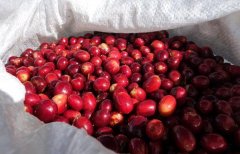
Kenya Mulanganieri and other coffee producing areas Sika Asalia Starbucks Kenyan coffee bean flavor
Although coffee cultivation in Kenya started relatively late, the industry has gained and maintained an impressive reputation. Since the beginning of production, Kenyan coffee has been recognized for its high quality, careful preparation and exquisite flavor. Position in world production: # 18 average annual output: 800000 (60 kg bags) Common Arabica varieties: SL28, SL34, K7,

A brief introduction to the description of the flavor and aroma characteristics of Kenyan Jinchu boutique coffee
It has wonderful and satisfying aromas, well-balanced acidity, well-proportioned particles and excellent fruit flavors. The taste is so unique that there is almost no similar coffee. Kenyan coffee is characterized by a distinctive fruity aroma. Try to find this flavor in the coffee and pay attention to how it feels in the mouth. One of the common fruit aromas is citrus. Kenyan coffee has multiple layers.

Kenyan coffee beans are Arabica? Kenyan coffee beans are sour? Taste sour and pleasant
Professional coffee knowledge exchange More coffee bean information Please pay attention to Coffee Workshop (Weixin Official Accounts cafe_style) Front Street-Kenya Coffee Introduction Kenya's main coffee producing areas are surrounded by Mount Kenya, the highest peak in the country. It is the second highest peak in Africa after Mount Kilimanjaro. Many plantations have good altitude. The temperature difference between day and night at high altitude is conducive to extension.

Is Jinchu the name of the coffee bean farm in Kenya? Brief introduction of producing countries and regions
Is Jinchu Valley the name of a coffee bean farm in Kenya? In order to preserve the original rich fruit flavor of raw beans, we raised the temperature of raw beans to 210 ℃ and kept the temperature at 125 ℃. After entering the pot, we observed the return point and steamed the beans over low heat. At 4 minutes and 30 seconds, we observed that the coffee beans whitened evenly, and then made the beans bleach for 5 minutes and 30 seconds.

Influence of coffee bean producing area and its natural environment on coffee flavor and taste characteristics of Kenyan coffee
The flavor of a bean in African coffee Kenyan coffee producing area is closely related to its producing area, altitude, climate, treatment and variety. . Kenya is located in eastern Africa, the equator runs through the central part, and the Great Rift Valley of East Africa runs through the north and south. The environment is located in the tropical monsoon area, but affected by its high topography, it is a savanna climate with great seasonal differences in precipitation. Receive
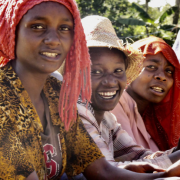
Kenya Coffee Bean producing area | processing Plant Information and Cup Test report of Kenya Coffee small Farmers' Cooperative
Kenya's coffee growing system is complex, accounting for only a small number of independent estates in Africa, and most of the good coffee is the joint work of producers who submit the fruit on the day of production. If you want to trace the source, you can only start with a primary cooperative or a small washing station. Today, I would like to briefly introduce the four famous cooperatives in Kenya! Mwiria factory introduction farm: Mw

2017 current situation of Kenyan Coffee description of Kenyan Coffee Flavor by Gakundu FCS
Professional baristas Please follow the Coffee Workshop (official Wechat account cafe_style) in Kenya in 2017, where production continues to decline, raw bean prices soar and there are few winners in 2017! During the main production season at the beginning of the year, the team settled in Kenya for about a week, continuously tested more than a hundred batches of samples, and finally selected 12 batches to be introduced into China to take a look at Gakundu's carefully selected beans. Gakundu
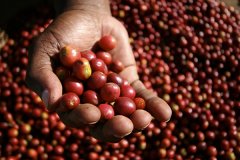
Kenya Jakundu Cooperative Information introduction to the flavor characteristics of Kenya PB round bean coffee
Professional baristas exchange please follow the coffee workshop (Wechat official account cafe_style) Kenya PB Gakundu brief 2017 Kenya new batch arrived! Kenya Jiakundu selected small round beans, directly purchase coffee! In Kenya in 2017, production continued to decline, raw bean prices soared, and there were almost no winners in 2017! The team settled in Kenya during the main production season at the beginning of the year.

Kenyan Jinchu Coffee Origin, Kenyan Jinchu Coffee Variety
Follow caf é (Wechat official account vdailycom) found that Jinchu Cafe opened a small shop of its own, founded in 1970, and they formed a Gakundu farmers' cooperative with Kamviu, Gakundu and Ka Kui Water washing Plant. There are 980 coffee farmers in Jinchu Valley and 3600 small farmers are registered in the whole cooperative. And in Enbu County, nearly

Characteristics of planting and processing Flavor of washed Coffee in Kenya brief introduction of Coffee washing and processing Plant gikirima
Africa used to dominate the global coffee market. At the peak of production, African countries accounted for four of the world's top ten coffee producers. Today, African coffee beans still compete in the world coffee market. Kenya is one of the largest exporters of fine coffee on the African continent. Qianjie will take you to learn about the cultivation and processing of coffee in Kenya. The GIKIRIMA factory is located in Mount Kenya.

Which countries in Africa produce coffee? Kenyan boutique coffee producing area bright sour complex flower and fruit aroma
Professional coffee knowledge exchange more coffee bean information please follow the coffee workshop (Wechat official account cafe_style) front street-African coffee producing area brief introduction of Kenyan coffee producing areas no country in the world attaches as much importance to the production of high quality coffee as Kenya, so Kenya can be called the best model student in the world coffee producing countries, because all Kenyan coffee must be handed over after harvest.

Kenyan coffee beans. How about Kenyan coffee beans?
Following Cafe Review (Wechat official account vdailycom) found that "Kenya", located in East Africa, is one of the major coffee producing countries. More than 6 million people in the country are engaged in the coffee industry, mostly in the form of a combination of small farmers and cooperatives. Coffee trees in Kenya are mostly planted at 1400-2000 meters above sea level, and the growth areas include Ruiri, Thika and Ki.

How do Kenyan Kangunu Coffee drink Kenyan Coffee rating system Kenyan Coffee beans
Professional Coffee knowledge Exchange more information on coffee beans please follow Coffee Workshop (Wechat official account cafe_style) kanguru AA-Kenya this coffee is produced by many small farmers, who are members of farmers' cooperatives in the south of Kagaari and supply coffee to the Kangunu Coffee Factory in Embu District, Kenya, near the town of Runyenjes. The area is located in the mountains of Mount Kenya.

Introduction to the varieties of Kenyan coffee beans SL28 and SL34
Professional coffee knowledge exchange more coffee bean information please follow the coffee workshop (Wechat official account cafe_style) Kenya Coffee Origin Summary Capital: Nairobi Nairobi Port: Mombasa Mombasa growers: nearly 700000 small farmers planting area: small farmers (an average of less than 1 hectare), manors (an average of 30-40 hectares, large hundreds of hectares) planting sea

The difference between washed and tanned coffee beans in Kenya how to make Kenyan coffee
Description of the difference between washed and sunburned coffee in Kenya [washed Sidamo]: coffee raw bean green is grayish in some places, thick and small in some places, soft and strong acidity, mellow and sweet and spicy. It is one of the courtyard coffees in the highlands of southern Ethiopia. Unlike ordinary African coffee, Sidamo has clear acidity and smoothness.

The Story of the Coffee Origin in Kenya: a brief History of Coffee auction in Kenya
Professional coffee knowledge exchange more coffee bean information please follow the coffee workshop (Wechat official account cafe_style) Kenya, the full name of the Republic of Kenya, is located in eastern Africa, the equator runs across the central part of the East African Rift Valley across the north and south. It is bordered by Somalia to the east, Tanzania to the south, Uganda to the west, Ethiopia and Sudan to the north, and the Indian Ocean to the southeast. Multiple plateaus in the territory, average