
"Embu"
211 article(s) found

Sugar cane juice, sour red wine, Kenyan Jinchugu coffee flavor, characteristics, taste and manor introduction
Enbu processing Plant (Embu Washing Station), which comes from Gichugu, adopts Kenyan double washing method and grows in Manyata-Enbu County on the eastern slope of the Kenyan Mountains from 1550 to 1750. The variety is Kenya's classic SL28,SL34, coupled with the large temperature difference between day and night in the deceived area, and the red phosphoric acid soil in Kenya, which makes the sour and sweet become the second order of this Kenyan branch.

Kenyan Jinchu Coffee Variety characteristics of sour Red Wine introduction to Fine Coffee beans in Manor
Enbu processing Plant (Embu Washing Station), which comes from Gichugu, adopts Kenyan double washing method and grows in Manyata-Enbu County on the eastern slope of the Kenyan Mountains from 1550 to 1750. The variety is Kenya's classic SL28,SL34, coupled with the large temperature difference between day and night in the deceived area, and the red phosphoric acid soil in Kenya, which makes the sour and sweet become the second order of this Kenyan branch.

Red wine fruit acid Kenyan Jinchugu Coffee Variety characteristics introduction to Fine Coffee beans in Manor
Enbu processing Plant (Embu Washing Station), which comes from Gichugu, adopts Kenyan double washing method and grows in Manyata-Enbu County on the eastern slope of the Kenyan Mountains from 1550 to 1750. The variety is Kenya's classic SL28,SL34, coupled with the large temperature difference between day and night in the deceived area, and the red phosphoric acid soil in Kenya, which makes the sour and sweet become the second order of this Kenyan branch.
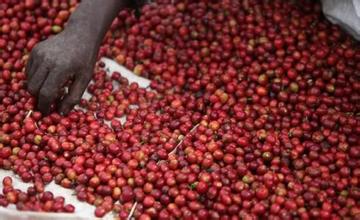
Sugar cane juice Red Wine Fruit Acid Kenyan Jinchu Coffee Flavor, characteristics, taste and Manor introduction
Enbu processing Plant (Embu Washing Station), which comes from Gichugu, adopts Kenyan double washing method and grows in Manyata-Enbu County on the eastern slope of the Kenyan Mountains from 1550 to 1750. The variety is Kenya's classic SL28,SL34, coupled with the large temperature difference between day and night in the deceived area, and the red phosphoric acid soil in Kenya, which makes the sour and sweet become the second order of this Kenyan branch.

Fruit acid red wine Kenyan Jinchugu Coffee Variety Taste characteristics introduction of Fine Coffee beans in Manor
Enbu processing Plant (Embu Washing Station), which comes from Gichugu, adopts Kenyan double washing method and grows in Manyata-Enbu County on the eastern slope of the Kenyan Mountains from 1550 to 1750. The variety is Kenya's classic SL28,SL34, coupled with the large temperature difference between day and night in the deceived area, and the red phosphoric acid soil in Kenya, which makes the sour and sweet become the second order of this Kenyan branch.
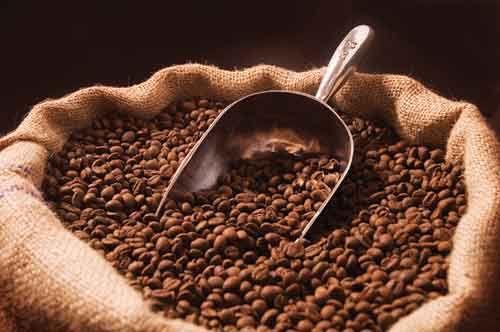
Sugar cane juice, Kenyan Jinchu Coffee with sour red wine, its flavor, characteristics, taste and manor introduction
Enbu processing Plant (Embu Washing Station), which comes from Gichugu, adopts Kenyan double washing method and grows in Manyata-Enbu County on the eastern slope of the Kenyan Mountains from 1550 to 1750. The variety is Kenya's classic SL28,SL34, coupled with the large temperature difference between day and night in the deceived area, and the red phosphoric acid soil in Kenya, which makes the sour and sweet become the second order of this Kenyan branch.

Kenyan Jinchu Coffee Flavor description treatment quality characteristics of Fine Coffee beans
Kenya Jinchu Coffee Flavor description method Variety introduction name: Kenya Jinchu AA TOP English: Kenya Gichugu Embu AA TOP production area: Jinchu Valley (Gichugu Division,Kirinyaga East District) producer: Enbu treatment Plant (Embu Washing Station) treatment: Kenyan double washing treatment altitude: 1550-17

Unique acidity and taste characteristics of Kenyan Jinchugu coffee varieties introduction to the flavor of boutique coffee beans in the manor
Enbu processing Plant (Embu Washing Station), which comes from Gichugu, adopts Kenyan double washing method and grows in Manyata-Enbu County on the eastern slope of the Kenyan Mountains from 1550 to 1750. The variety is Kenya's classic SL28,SL34, coupled with the large temperature difference between day and night in the deceived area, and the red phosphoric acid soil in Kenya, which makes the sour and sweet become the second order of this Kenyan branch.

What is the geographical location of coffee cultivation in Kenya? Water from the Kirinyaga treatment plant in Kangunu, Kenya
Professional coffee knowledge exchange more coffee bean information please follow the coffee workshop (Wechat official account cafe_style) where is the location of coffee cultivation in Kenya? Description of the flavor of washed AA coffee from the Kangunu Kirinyaga treatment plant in Kenya? The producing area of Kirinyaga, Kangunu, comes from Embu, a community south of Nairobi, at an altitude of 1600-1700. According to the cup survey of the bean merchant

What are the flavor and taste characteristics of AA washed beans from the Kay Sanghari treatment plant in Enbu, Kenya?
Professional coffee knowledge exchange more coffee bean information please follow the coffee workshop (Wechat official account cafe_style) what are the flavor and taste characteristics of AA washed beans at the Kay San Garri processing plant in Embu, Kenya? Kenya Embu Kathangariri AA Washed green plum red grapefruit tangerine blackcurrant unrestrained structure solid Kenya (Kenya) is a boutique of East Africa

Characteristics of Jinchu Valley in Kenya
In my opinion, Kenyan coffee beans are roughly divided into good, very good and very good. Personally, I have always been a big fan of Kenyan coffee, so I always recommend only very good Kenyan coffee, plus I personally don't like PB beans, so the Kenyan grade I bought in recent years is generally AA TOP. Everyone I've ever been with feels like me.

Is Jinchu Valley the name of a coffee bean farm in Kenya? Introduction of producing countries and regions
Is Jinchu Valley the name of a coffee bean farm in Kenya? In order to preserve the rich fruit flavor of raw beans, we raised the temperature of raw beans to 210 ℃ and kept the temperature at 125 ℃. After entering the pot, we observed that the beans whitened evenly at 4 minutes and 30 seconds, and then made the beans bleach evenly at 4 minutes and 30 seconds, and then made them turn white for about 5 minutes and 30 seconds.

Kenyan Jinchu Valley flavor, introduced by Kenya Jinchu Valley
Follow the caf é (Wechat official account vdailycom) found that the beautiful cafe opened a small shop of its own, Kenya from the Gichugu production area of Enbu processing plant (Embu Washing Station), using Kenyan-style double washing treatment, growing in 1550-1750 Manyata-Enbu County on the eastern slope of the Kenyan mountains, the variety is Kenya classic SL28,SL34, plus Kenya classic

What are the flavor and taste characteristics of AA washed beans from the Kay San Garry treatment plant in Kenya?
Professional coffee knowledge exchange more coffee bean information please follow the coffee workshop (Wechat official account cafe_style) Kenya Kay San Garry processing plant what is the flavor and taste characteristics of AA washed beans? Manor name: Kenya Embu production area Kai San Garri treatment plant AA treatment: Kenyan style washed bean seed: 100% Arabica SL28 SL34 flavor: green plum red Portugal

Kenya from Jinchu Coffee introduction, Kenya from Jinchu Coffee Flavor description
Follow the caf é (Wechat official account vdailycom) found that the beautiful cafe opened a small shop of its own this Kenya from the Gichugu (Gichugu) production area of Enbu processing plant (Embu Washing Station), using Kenyan double washing treatment, growing in 1550-1750 Manyata-Enbu County on the eastern slopes of the Kenyan mountains, the variety is Kenya classic SL28,SL34, and then

Introduction to the flavor and taste of the strong and sour coffee plantation in Jinchu Valley, Kenya.
Kenya comes from the Enbu processing Plant (Embu Washing Station) in the Gichugu producing area. It grows in Manyata-Enbu County on the eastern slopes of the Kenyan Mountains from 1550 to 1750. The variety is Kenya's classic SL28,SL34, coupled with the large temperature difference between day and night in the deceived area, and the red phosphate soil in Kenya, which makes the sweet and sour become this Kenyan.

Introduction to the planting area of Coffee varieties in Kenya
Follow caf é (Wechat official account vdailycom) found that Jinchu Cafe opened a small shop of its own, founded in 1970, and they formed a Gakundu farmers' cooperative with Kamviu, Gakundu and Ka Kui Water washing Plant. There are 980 coffee farmers in Jinchu Valley and 3600 small farmers are registered in the whole cooperative. In Enbu County, nearly 8.

Kenya AA Bella BORA Coffee Bean Story _ Kenya & #9642; how to drink Bella Coffee beans?
For more information on coffee beans, please follow the Coffee Workshop (Wechat official account cafe_style) KENYA BORA Kenya Coffee-Bella Sour Coffee, the representative of Outstanding Bella from Africa, Kenya is located in East Africa, this coffee comes from the main Kenyan producing areas KIRIYAGA and EMBU, Bora means excellent in the local Swazi language. Current issue

Qidon Lulu Cooperative boutique Coffee Coffee Manor
The Dunlulu Cooperative, founded in 1999 in Embu, Kenya, has 1200 active growers and the cleanest water treatment centers. It is well known that cooperatives pay producers far higher than government requirements. In Kenya, cooperatives have to pay 80 per cent of the final income to coffee farmers, and Kithungururu ends up paying 95 per cent more to coffee farmers than other cooperatives.

Qidon Lulu Cooperative Manor Coffee beans Coffee training for High altitude Coffee beans
The Dunlulu Cooperative, founded in 1999 in Embu, Kenya, has 1200 active growers and the cleanest water treatment centers. It is well known that cooperatives pay producers far higher than government requirements. In Kenya, cooperatives have to pay 80 per cent of the final income to coffee farmers, and Kithungururu ends up paying 95 per cent more to coffee farmers than other cooperatives.