
"Frei"
44 article(s) found

Ecuadorian Coffee Manor with unique Natural Geographical conditions the Origin and Development History of Santa Cruz Manor
When Thomas and the crew landed on the island, they were frantically looking for water and were so thirsty that they squeezed juice from the fat leaves of the cactus to drink. At last a source of water was found in a rocky gully. Thomas attributed it to the gift of God, because it was good Friday, and they had piously celebrated mass before they set out in search of water. But Thomas will never

Introduction of coffee producing areas and types in Ecuador Galapagos coffee in San Cristobal
In the mid-15th century, there were legends about enchanted mysterious islands among fishermen fishing in the western Pacific Ocean of South America. It is said that the islands can sometimes be seen clearly from a distance, but when the ship approaches, it disappears again; sometimes it looks like a galleon, sometimes it shows the shape of a witch. The fishermen called these islands Magic Island and thought it was there.

An introduction to the Origin of Coffee from the Galapagos Islands in Ecuador
In 1535, Flatoma de Belanga and others of Spain stumbled upon the Galapagos Islands. Thomas was born in 1487 on the Duro River in the province of Soria, Spain. He was the fourth bishop of Panama at that time. He was ordered to go to Peru. When his ship set sail from Panama on February 23, under the impact of a strong current, they were taken to the unknown surface of the ocean.
Ecuadorian coffee flavor and taste the characteristics of the manor producing area introduce the fine coffee beans of Santa Cruz Manor
The best Ecuadorian coffee is grown on St. Cristobal Island in the Galapagos Islands, which has the unique natural geographical conditions for giving birth to the best quality coffee in the world. A cup of Galapagos coffee, like the beautiful scenery of the Galapagos Islands, is sure to impress you. In the mid-15th century, fishermen fishing in the western Pacific Ocean of South America were in the middle stream.

Introduction to the method of flavor description and taste treatment of coffee bean varieties in Ecuador
In 1535, Flatoma de Belanga and others of Spain stumbled upon the Galapagos Islands. Thomas was born in 1487 on the Duro River in the province of Soria, Spain. He was the fourth bishop of Panama at that time. He was ordered to go to Peru. When his ship set sail from Panama on February 23, under the impact of a strong current, they were taken to the unknown surface of the ocean.

Fragrant and fragrant Ecuadorian Fine Coffee Bean Flavor and Taste introduction to the characteristics of the Manor
In the mid-15th century, there were legends about enchanted mysterious islands among fishermen fishing in the western Pacific Ocean of South America. It is said that the islands can sometimes be seen clearly from a distance, but when the ship approaches, it disappears again; sometimes it looks like a galleon, sometimes it shows the shape of a witch. The fishermen called these islands Magic Island and thought it was there.
Unique aroma of Ecuadorian coffee plantations Galapagos coffee cultivation climate altitude profile
In 1875, 340 years after Frei Thomas de Berlanga discovered the island, an indigenous man named Cobos arrived on San Cristobal Island, where he established the Hassenda Coffee Plantation and planted about 100 hectares of Arabic bourbon trees. Because the plantation is located between 140 meters and 275 meters above sea level, the climate is equivalent to the climate between 915 meters and 1830 meters inland.

Introduction of characteristic varieties of high-quality coffee beans in Ecuadorian coffee production area
In 1535, Flatoma de Belanga and others of Spain stumbled upon the Galapagos Islands. Thomas was born in 1487 on the Duro River in the province of Soria, Spain. He was the fourth bishop of Panama at that time. He was ordered to go to Peru. When his ship set sail from Panama on February 23, under the impact of a strong current, they were taken to the unknown surface of the ocean.

Introduction to the high-quality coffee bean manor with the characteristics of fragrant Ecuadorian coffee producing areas
The Arabian Coffee Tree was first introduced to Ecuador in 1952 and its coffee is of good quality, especially the coffee harvested in early June. Ecuadorian coffee beans can be divided into two varieties: Galapagos and Gigante, both of which have the characteristics of large granules and heavy weight. Ecuadorian coffee can be divided into first class (No.1) and super excellent (Extra Superior) according to its quality.

Introduction to the description of the treatment methods of grinding degree for the flavor and taste characteristics of Ecuadorian coffee
As one of the best Arabica coffee producers in the world, Ecuador's unique ecosystem advantages make its coffee from different coffee producing areas have a unique taste. That's why every mouthful of coffee made from Ecuadorian beans, whether it's single coffee or blended coffee, is endless and tasteless. In order to make more
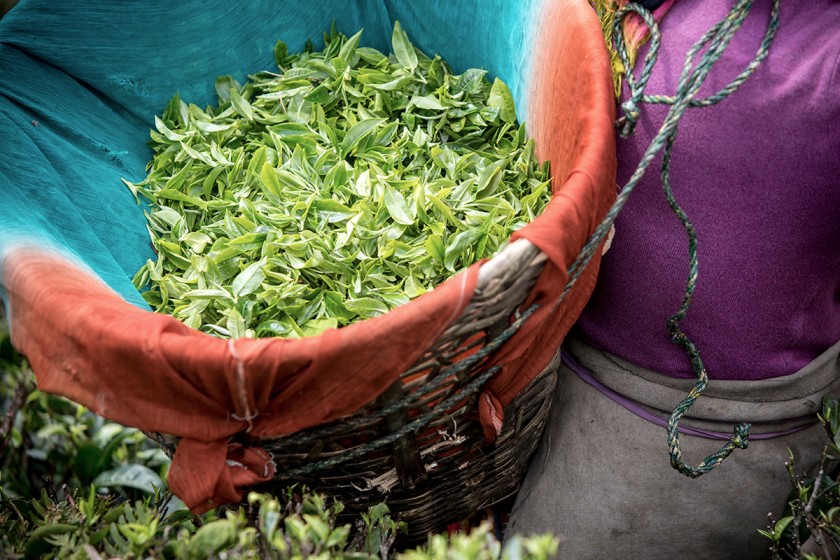
The tea industry is affected by the disruption of shipping. The price of tea goes up because the price of a container is hard to find.
The average freight from East Asia to the east coast of North America is $20695. On Oct. 15, the average price of tea at a West Coast destination was $17377, making it more expensive to load and transport a 40-foot container of tea from Vietnam than it carries. According to Frei

Flavor description of Ecuadorian Coffee Variety producing area taste characteristics introduction of high-quality coffee beans
The Republic of Ecuador is located in northwestern South America. It is bordered by Colombia in the northeast, Peru in the southeast and the Pacific Ocean in the west. It covers an area of 256370 square kilometers and the coastline is about 930km long. The equator runs through the north of the border, and Ecuador means the western coast of the Spanish equator: including coastal plains and foothills, high in the east and low in the west, generally below 200 meters above sea level, with some seas

Ecuador coffee varieties of carapica coffee beans introduction
As coffee is consumed around the world, the world coffee industry moves toward mass production, and San Cristobal's smaller and less reliable coffee industry is in trouble and may eventually be forced to give up without profit. It wasn't until the early 1990s that the Gonzalez family bought Hassenda Coffee Plantation. Humboldt Current

Coffee flavor and taste characteristics of Santa Cruz Manor in Ecuador
Central mountain: after entering Ecuador from Colombia, the Andes is divided into the eastern and western Cordillera mountains, with a plateau high in the north and low in the south, averaging between 2500 and 3000 meters above sea level. The Andes run through the middle of the border. The ridges crisscross, dividing the plateau into more than ten intermountain basins. The most important are the Quito basin and the Cuenca basin in the south. Volcanic crowds in the territory

Introduction to the characteristics of Santa Cruz Manor
Central mountain: after entering Ecuador from Colombia, the Andes is divided into the eastern and western Cordillera mountains, with a plateau high in the north and low in the south, averaging between 2500 and 3000 meters above sea level. The Andes run through the middle of the border. The ridges crisscross, dividing the plateau into more than ten intermountain basins. The most important are the Quito basin and the Cuenca basin in the south. Volcanic crowds in the territory

Introduction to the balanced and refreshing coffee flavor and taste manor of Hassanda Coffee Garden in Ecuador
Port Guayaquil is the largest seaport in Ecuador. It faces the Pacific Ocean and backs against Mount Santa Ana. The nearby island of Pune serves as a natural barrier to protect the harbour from storms. There is a wharf in the south, which is more than 900 meters long. Ships from different parts of the world flying various flags are moored in the harbor. The port railway leads to the capital Quito, and highways connect Quito with other cities in the country.
The taste of coffee in Santa Cruz Manor, Ecuador is very balanced and refreshing.
Port Guayaquil is the largest seaport in Ecuador. It faces the Pacific Ocean and backs against Mount Santa Ana. The nearby island of Pune serves as a natural barrier to protect the harbour from storms. There is a wharf in the south, which is more than 900 meters long. Ships from different parts of the world flying various flags are moored in the harbor. The port railway leads to the capital Quito, and highways connect Quito with other cities in the country.

A brief description of the flavor, taste and aroma characteristics of Ecuador's boutique coffee beans
Balanced with low acidity and rich aroma. The bitter taste is not obvious, the taste is clear, but there is a lingering aftertaste for a long time. The superior environment creates the crisp character of coffee, and the enthusiasm of coffee farmers gives coffee enthusiastic life. Ecuadorian coffee has distinctive South American coffee characteristics. The fragrance is soft, through which it seems to return to the ancient and mysterious

A brief introduction to the flavor, taste and aroma characteristics of Ecuadorian boutique coffee beans with balanced and refreshing taste
Ecuadorian coffee has distinctive South American coffee characteristics. The fragrance is soft, as if you can go back to the ancient and mysterious Inca empire. Coffee is a good history, you need to savor it carefully in order to understand the vicissitudes of life. Balanced with low acidity and rich aroma. The bitter taste is not obvious, the taste is clear, but there is a lingering aftertaste for a long time. Excellent
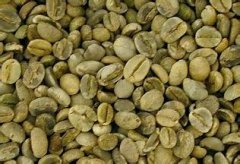
A brief introduction to the history and culture of the origin and development of balanced and refreshing Ecuadorian boutique coffee beans
Galapagos Islands coffee is recognized as green natural coffee, because the Ecuadorian government has designated the islands as a national park, not only does it no longer allow the reclamation of new agricultural land, but also forbids the use of chemical fertilizers, pesticides, herbicides and other chemicals. Although the elevation of about 200m on the island is very low, the climate of this area is equivalent to terrestrial 1000m1800m due to the special influence of the sea.