
"Insipid"
1209 article(s) found

The characteristics of cat feces coffee beans Variety of production area Flavor description Taste treatment method Grinding degree Introduction
Cat poop coffee, Indonesia, one of the world's most expensive coffee. Indonesia grows a lot of coffee, and there is a wild animal called the civet, an omnivore with a pointed mouth and dark gray fur. The favorite food is fresh coffee beans, which are fermented and digested in the body and eventually discharged as cat feces. Feces are coffee beans,

Sumatran Coffee Bean processing methods introduction to the taste of characteristic varieties in manor producing area
Through roasting, raw coffee beans can release the special aroma of coffee. Each coffee bean contains its fragrance, sour taste, sweetness and bitterness. How to release it incisively and vividly is to observe the heat of its baking, from the insipid raw beans to the mellow aftertaste in the cup. Roasting-it is a very important step for each coffee bean to outline its character and nurture fragrance during its long journey. Coffee

The concept and principle of roasting coffee
As the name suggests, roasting is to provide heat to coffee beans, causing a series of chemical changes inside. Raw coffee beans show the unique color, aroma and taste of coffee by roasting. Every coffee bean contains fragrance, sour taste, sweet taste and bitter taste. How to release it incisively and vividly depends on the heat of baking. From the insipid raw beans to the endless fragrance in the cup
The concept and principle of Coffee basic knowledge Coffee Baking
As the name suggests, roasting is to provide heat to coffee beans, causing a series of chemical changes inside. Raw coffee beans show the unique color, aroma and taste of coffee by roasting. Every coffee bean contains fragrance, sour taste, sweet taste and bitter taste. How to release it incisively and vividly depends on the heat of baking. From the insipid raw beans to the endless fragrance in the cup

Introduction to the flavor and taste of fine coffee beans in the producing area of musk cat coffee.
The coffee comes from the excrement of an animal called the civet (commonly known as the civet in Indonesia). Although it comes from smelly poop, it is full of sweetness and a burst of indescribable sweetness. This wild musk cat likes to eat fat, pulpy coffee fruit, but the hard hard nut (raw bean) cannot be digested. It is excreted with feces and becomes Kop after cleaning.

Full and juicy civet coffee flavor description fermentation process treatment method grinding degree mouth feeling
Traditionally, coffee fruit is washed or tanned to remove the peel, pulp and sheep skin, and finally take out the coffee beans, but Luwak uses the method of natural fermentation in the body to remove the coffee beans, so it has a special flavor. In the mountains of Indonesia, there is a kind of civet named Luwak that likes to eat oar coffee fruits, but the hard coffee seeds cannot be digested.

Characteristics of grindability of civet coffee introduction of high-quality coffee beans
The company M.P. Mountanos, which first introduced Kopi Luwak coffee to the United States, pointed out that at first, when I heard about this kind of coffee fermented in the body, I thought it was a joke in the industry, but I didn't take it seriously. later, I saw a special report on Kopi Luwak in National Geographic Magazine and became interested in her. it took seven years to find a stable source of supply and began to introduce a small amount to the United States.
Principles and principles of coffee roasting what is the principle behind roasting? How to better bake coffee
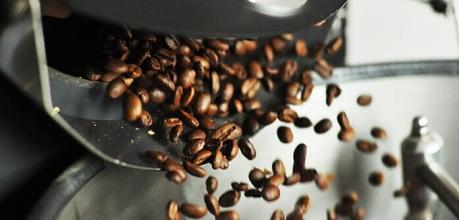
As the name suggests, roasting is to provide heat to coffee beans, causing a series of chemical changes inside. Raw coffee beans show the unique color, aroma and taste of coffee by roasting. Every coffee bean contains fragrance, sour taste, sweet taste and bitter taste. How to release it incisively and vividly depends on the heat of baking. From the insipid raw beans to the endless fragrance in the cup

Civet Coffee Flavor Taste Variety Production Characteristics Fine Coffee Bean Fermentation Process Introduction
Cat poop coffee, Indonesia, one of the world's most expensive coffee. Indonesia grows a lot of coffee, and there is a wild animal called the civet, an omnivore with a pointed mouth and dark gray fur. The favorite food is fresh coffee beans, which are fermented and digested in the body and eventually discharged as cat feces. Feces are coffee beans,

Introduction to the characteristics of grind treatment method for the flavor description of civet coffee with round taste
The aroma of Kopi Luwak is easier to lose than ordinary coffee. In order to maintain the flavor, coffee beans should be packaged independently and then injected with nitrogen to prevent the oxidation of coffee beans. The production process is complicated and rigorous. If you want to enjoy the true taste of Kopi Luwak, do not add sugar or milk to your coffee. It is recommended to use an air stopper (siphon siphon). Add 160,180ml (ml) of pure water and pour 17g.

Sumatra coffee producing area Introduction Sumatra coffee producing area
Cat poop coffee is produced from the feces of Indonesian coconut cats (a civet cat), so it is called cat poop coffee. This kind of animal mainly feeds on coffee beans. After fermentation in the coconut cat stomach, protein is destroyed, short peptides and more free amino acids are produced, the bitter taste of coffee will be reduced, and the feces discharged will be the main raw material. Since coffee beans cannot be digested, they will be digested.

Professional coffee roasting knowledge the concept and principles of coffee roasting
As the name suggests, roasting is to provide heat to coffee beans, causing a series of chemical changes inside. Raw coffee beans show the unique color, aroma and taste of coffee by roasting. Every coffee bean contains fragrance, sour taste, sweet taste and bitter taste. How to release it incisively and vividly depends on the heat of baking. From the insipid raw beans to the endless fragrance in the cup
The concept and principles of coffee roasting basic knowledge of coffee
As the name suggests, roasting is to provide heat to coffee beans, causing a series of chemical changes inside. Raw coffee beans show the unique color, aroma and taste of coffee by roasting. Every coffee bean contains fragrance, sour taste, sweet taste and bitter taste. How to release it incisively and vividly depends on the heat of baking. From the insipid raw beans to the endless fragrance in the cup

An introduction to the characteristics of the manor producing area of Indonesian civet boutique coffee with sweet taste
Kopi Luwak is made in Indonesia. In the early 18th century, the Dutch established coffee plantations in the Indonesian colonies of Sumatra and Java, and banned locals from picking and eating their own coffee fruits. Indonesian locals inadvertently found that civets love to eat these coffee fruits and will drain the beans intact when defecating. The civet can only pick the most familiar.

The processing process of coffee beans before grinding explains in detail the treatment of coffee fruits
First, peeling: the peel and most of the pulp are removed mechanically. Second, fermentation third, drying fourth, roasting: coffee raw beans can release the special aroma of coffee through roasting. Each coffee bean contains its aroma, sour taste, sweetness and bitterness. How to release it incisively and vividly depends on the heat of its baking, from the insipid raw beans to the aftertaste of the cup.

Introduction of Fine Coffee beans in Indonesian Musk Coffee Flavor producing area
The coffee comes from the excrement of an animal called the civet (commonly known as the civet in Indonesia). Although it comes from smelly poop, it is full of sweetness and a burst of indescribable sweetness. This wild musk cat likes to eat fat, pulpy coffee fruit, but the hard hard nut (raw bean) cannot be digested. It is excreted with feces and becomes Kop after cleaning.

Characteristics of Musk Coffee Flavor Variety producing area introduction of Fine Coffee Bean Manor
The cat's body is divided into five parts: head, neck, torso, limbs and tail. Most parts are hairy, and a few are hairless cats. Cats have fat meat pads on the bottom of their toes, so they walk silently, do not run away when catching mice, and have sharp fingernails at the ends of their toes. Claws can be retracted and extended. Cats tuck in their claws when resting and walking, and stick out only when catching mice and climbing to prevent their nails from being dulled. The forelimbs of a cat
Introduction to the fermentation process of civet coffee Kopi Luwak is really cat shit
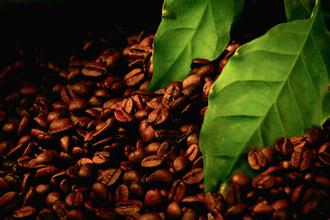
After processing and baking, Kopi Luwak has become a luxury coffee drink and spread to luxury kingdoms around the world. Local coffee farmers, in pursuit of high profits, bring wild civets home to raise them so that they can produce more Kopi Luwak. However, the Kopi Luwak produced by breeding civets will be much worse in color and taste. Even so, this kind of coffee

Boutique Coffee Coffee Tasting Terms
Acidity acidity is a typical and anticipated part of coffee cuisine. It is a direct taste under and above your tongue, and its role is different from that of taste to wine. Acidity provides strong, clear and lively sensory properties, without the appearance of acidity, coffee coffee tends to be insipid. Pay attention to this acidity indicator, thousands of

Baking is the concept of providing calories for coffee beans. Coffee roasting.
As the name suggests, roasting is to provide heat to coffee beans, causing a series of chemical changes inside. Raw coffee beans show the unique color, aroma and taste of coffee by roasting. Every coffee bean contains fragrance, sour taste, sweet taste and bitter taste. How to release it incisively and vividly depends on the heat of baking. From the insipid raw beans to the endless fragrance in the cup