
"Insipid"
1209 article(s) found
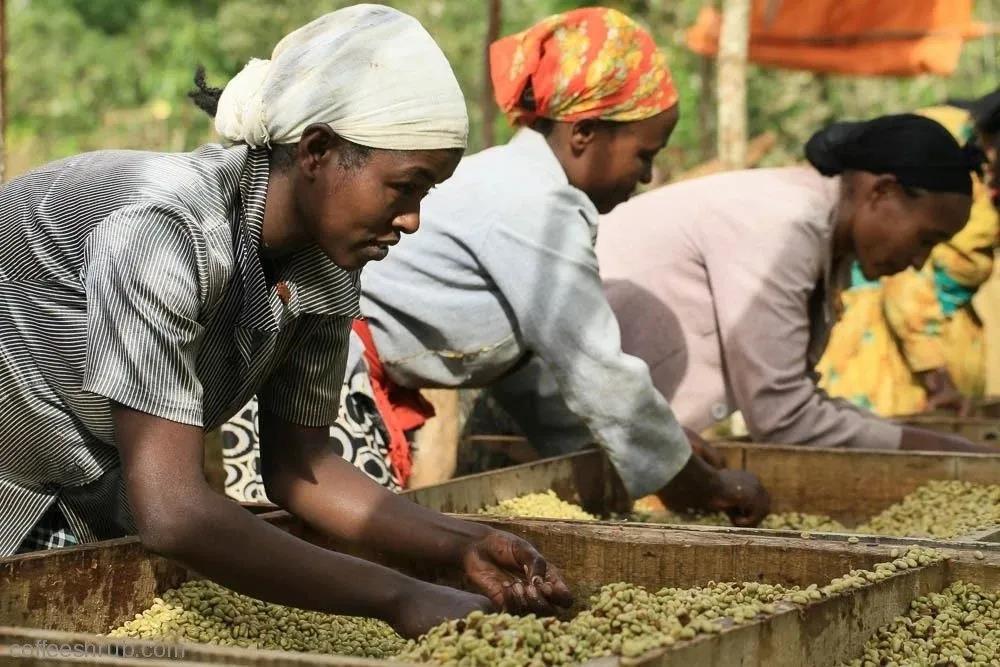
Climate change affects the yield and quality of Ethiopia's Yega Xuefei boutique coffee beans
Professional coffee knowledge exchange more coffee bean information follow coffee workshop (Wechat official account cafe_style) A new study conducted by an international research group shows that climate change is affecting Ethiopia, Africa's largest coffee producer! In the future, the production of Ethiopia's boutique coffee beans will continue to decline, and the flavor will become more and more insipid. Carry out the research

The flavor and taste of civet coffee the characteristics of manor production area introduction of civet boutique coffee beans
Captive civets are nocturnal animals that inhabit the jungle and eat very little. Coffee beans produced by wild civets are very rare. Only farmed civets can get more Kopi Luwak. Some unscrupulous traders keep this animal in a narrow cage.

There is a special flavor of Indonesian civet coffee, which introduces Fuyin Manor.
Kopi Luwak is produced by the feces of Indonesian coconut cats (a kind of civet) as raw materials, so it is called Kopi Luwak. This kind of animal mainly feeds on coffee beans. After completing fermentation in the coconut cat's stomach, it destroys proteins, produces short peptides and more free amino acids, reduces the bitterness of coffee, and then excretes feces as the main raw material. Because coffee beans cannot be digested, they will be

The latest quotation and information of boutique coffee beans and civet coffee
Kopi Luwak is produced by the feces of Indonesian coconut cats (a kind of civet) as raw materials, so it is called Kopi Luwak. This kind of animal mainly feeds on coffee beans. After completing fermentation in the coconut cat's stomach, it destroys proteins, produces short peptides and more free amino acids, reduces the bitterness of coffee, and then excretes feces as the main raw material. Because coffee beans cannot be digested, they will be
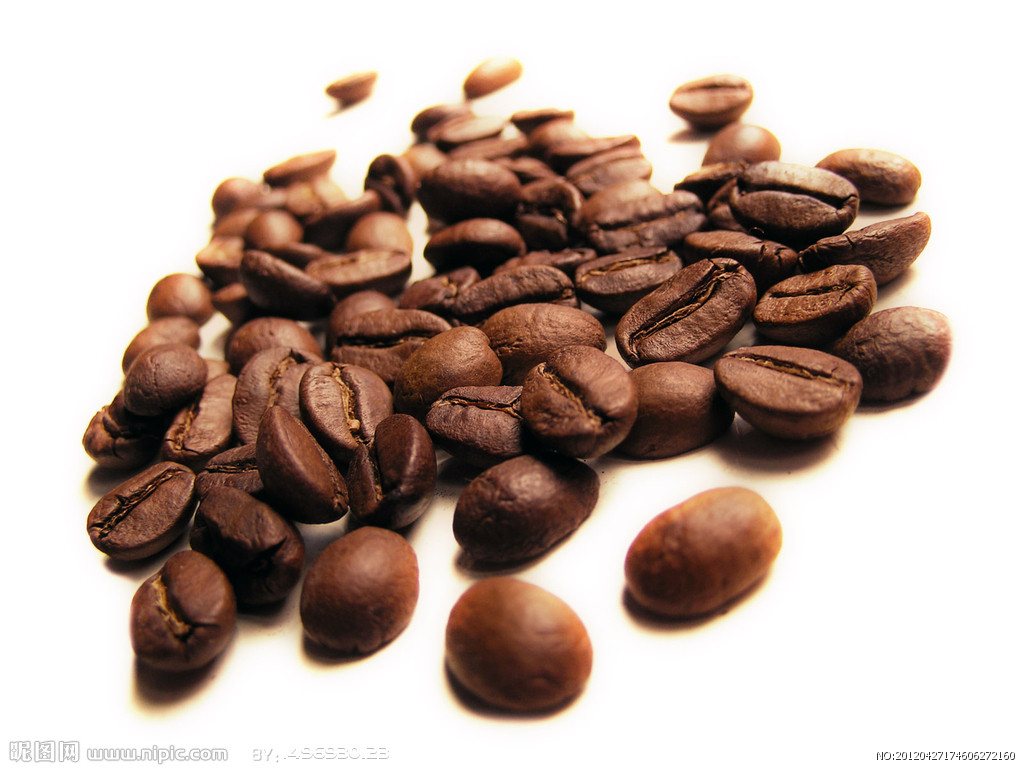
Coffee Dictionary-- A detailed introduction to the shape features of common coffee beans, good and bad types of coffee beans
Coffee cherry: the fruit of a coffee tree, named because its rind is bright red and its shape is very similar to cherries. Round beans: in the process of coffee fruit growth, one of a pair of seeds develops very well, and the other seed is eaten so that the coffee beans that are supposed to be oval become round. Elephant beans: larger than ordinary coffee beans, the taste is usually insipid. Coffee belt (Coffe)

Cat droppings Coffee Bean Flavor description characteristics of Grinding degree introduction to the taste of varieties in producing areas
Although it comes from smelly poop, it is only full of sweetness and a burst of indescribable sweetness. This wild musk cat likes to eat fat and pulpy coffee fruits, but the hard hard nuts (raw beans) are indigestible and are excreted with feces. After being cleaned, they become Kopi Luwak coffee raw beans! So many people call it Kopi Luwak. The Indonesians found that after

Understand why sour coffee is sour. Is good coffee sour? Is it good?
Professional coffee knowledge exchange more coffee bean information please follow the coffee workshop (Wechat official account cafe_style) a packet of acid-rich Isabia beans, and to emphasize the characteristics of this coffee, but does it mean that it will taste good when washed out? Not really. If there is a mistake in the brewing process, the last cup of coffee may still be very insipid. Similarly, one cup is rich in chocolate flavor.

Indonesian Bali Cat Poop Coffee with Unique Flavor and Special Flavor Introduction
Cat poop coffee is produced from the feces of Indonesian coconut cats (a civet cat), so it is called cat poop coffee. This kind of animal mainly feeds on coffee beans. After fermentation in coconut cat stomach, protein is destroyed, short peptides and more free amino acids are produced, the bitter taste of coffee will be reduced, and the feces discharged will be the main raw material. Since coffee beans cannot be digested, they will be digested.

Flavor description of civet coffee varieties with unique flavor introduction to the taste of producing areas
The cat is lonely, nocturnal, alert, sensitive to hearing and smell, day and night, agile, sensitive, cunning and suspicious, so it is called fox cat. Hiding in thickets, grass, tree caves, soil caves and caves during the day, he began to move in the morning and dusk, often looking for food at the edge of the forest, near agricultural land, in valleys, or even near settlements, and returned to his habitat two or three hours later.

Brand recommendation of hand-brewed coffee utensils-hand-brewed coffee gouache ratio
Hand coffee utensils brand recommended-hand coffee gouache ratio 88 ℃ scale 4, although the sweetness is good, the taste is also soft, but after the entrance is very empty; 90 ℃ this temperature is not suitable for this baking degree, not too brilliant place, insipid; and 94 ℃ scale 3 and 3.5 have a sense of oral friction, although the acidity is very good. Pacific Coffee baristas are strictly trained.

Introduction of Muscat Coffee Kopi Luwak Flavor and mouthfeel characteristics of Fine Coffee beans
Kopi Luwak is produced by the feces of Indonesian coconut cats (a kind of civet) as raw materials, so it is called Kopi Luwak. This kind of animal mainly feeds on coffee beans. After completing fermentation in the coconut cat's stomach, it destroys proteins, produces short peptides and more free amino acids, reduces the bitterness of coffee, and then excretes feces as the main raw material. Because coffee beans cannot be digested, they will be

Sun-treated Civet Coffee Grind Taste Variety Features Fine Coffee Introduction
In the coffee industry, cat poop coffee is widely regarded as a novelty product. The Specialty Coffee Association of America (SCAA) says the industry consensus is that it tastes bad. SCAA quotes a coffee expert as saying: Obviously, cat poop coffee sells because of its story rather than its quality. Adoption of SCAA

Coffee roasting the concept and principles of coffee roasting
As the name suggests, roasting is to provide heat to coffee beans, causing a series of chemical changes inside. Raw coffee beans show the unique color, aroma and taste of coffee by roasting. Every coffee bean contains fragrance, sour taste, sweet taste and bitter taste. How to release it incisively and vividly depends on the heat of baking. From the insipid raw beans to the endless fragrance in the cup

Introduction of Musk Kopi Luwak Fuyin Manor with unique flavor and mellow flavor
Kopi Luwak is produced by the feces of Indonesian coconut cats (a kind of civet) as raw materials, so it is called Kopi Luwak. This kind of animal mainly feeds on coffee beans. After completing fermentation in the coconut cat's stomach, it destroys proteins, produces short peptides and more free amino acids, reduces the bitterness of coffee, and then excretes feces as the main raw material. Because coffee beans cannot be digested, they will be

Introduction to manor producing areas with flavor and taste of Indonesian civet coffee
Kopi Luwak is produced by the feces of Indonesian coconut cats (a kind of civet) as raw materials, so it is called Kopi Luwak. This kind of animal mainly feeds on coffee beans. After completing fermentation in the coconut cat's stomach, it destroys proteins, produces short peptides and more free amino acids, reduces the bitterness of coffee, and then excretes feces as the main raw material. Because coffee beans cannot be digested, they will be

The importance of grinding and extraction in coffee
Where a cup of espresso comes from, high-quality coffee beans are very important, and the degree of grinding of coffee powder is also very important. The degree of grinding of coffee powder will greatly change the taste of coffee, the taste of coffee will become silky, or the taste will become bitter. The effect of grinding degree on coffee taste is mainly in three aspects: contact time between coffee powder and water, extraction rate and water flow.

Flavor and taste of civet coffee manor production area introduction to Indonesian civet coffee price
In the coffee industry, Kopi Luwak is widely regarded as a product with novelty as the selling point. The American Special Coffee Association (Specialty Coffee Association of America,SCAA) says the industry consensus is that it tastes bad. SCAA quoted a coffee expert as saying: obviously, the selling point of Kopi Luwak is its story, not its quality. Adopt SCAA

Definition of roasting technology of high-quality coffee
Through the burning of the fire, release the aroma of coffee, and sprinkle the sour, sweet and bitter taste of ─ contained in each bean incisively and vividly, from insipid raw beans to the endless aftertaste of mellow ─ roasting in the cup, which is the most important stop to outline the character and nurture fragrance in the long journey of every coffee bean. Whether in a professional roaster, on your own stove or in the oven, coffee

Introduction to the grinding degree of cat poop coffee bean by taste treatment method
Kopi Luwak, produced in Indonesia, is one of the most expensive coffee in the world. Indonesia grows a lot of coffee crops, including wild animals called civets, omnivores, pointed mouths and dark gray fur. The favorite food is fresh coffee beans, which are fermented and digested in the body and eventually excreted by cats. Feces are just grains of coffee beans.
Panamanian Emerald Manor Bean what kind of coffee is there in Bali?
Civet coffee comes from Indonesia, Vietnam, the Philippines and China. How exactly is civet coffee made? The coffee fruit passes through the civet's digestive system, only the pulp of the fruit appearance is digested, and the coffee beans are excreted intact. In general, coffee is washed or insolated to remove the peel, pulp and sheepskin of the coffee.