Civet Coffee Prices and Facts: What You Should Know
If you’ve ever wondered what civet coffee really tastes like—or whether the wild stories around it hold any truth—you’re not alone. Often called the world’s most expensive and bizarre coffee, civet coffee (or kopi luwak) has stirred curiosity, controversy, and strong opinions among coffee professionals and enthusiasts alike. But what is it really, beyond the hype?
In short: civet coffee is made from coffee beans eaten and excreted by the Asian palm civet (locally called a "coconut cat" or musang), a small mammal native to Southeast Asia. The beans ferment in the animal’s digestive tract, which lowers protein content and reduces bitterness—but the final product’s quality is highly debated. Prices vary widely, but authentic, wild-sourced civet coffee can cost hundreds of dollars per pound.
What Is Civet Coffee and How Is It Made?
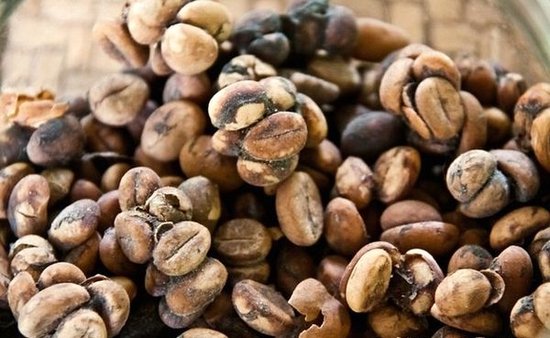
Civet coffee originates from coffee cherries eaten by the Asian palm civet, a small, cat-like nocturnal mammal native to Indonesia and other parts of Southeast Asia. The civet selects ripe, sweet coffee berries as food. Inside the civet’s digestive system, the fruit’s flesh is digested, but the hard coffee bean passes through mostly intact. During digestion, proteins in the bean are broken down, which reduces bitterness and is believed to create a smoother, richer cup. The beans are then collected from the animal’s feces, cleaned, and roasted.

Why Does Digestion Change the Coffee’s Flavor?
The unique aspect of civet coffee lies in the partial fermentation that occurs in the civet’s stomach. Enzymes break down proteins in the coffee bean, leading to fewer long-chain proteins. Since bitter flavors in coffee largely come from these proteins during brewing, the result is often described as smoother, with lower perceived bitterness and enhanced sweetness. Some enthusiasts also report deeper caramel or chocolatey tones, and a heavier body reminiscent of syrup.
What Do Experts and Tasters Really Think?
Opinions are sharply divided. Renowned coffee critic Chris Rubin described high-quality civet coffee as having “rich and intense aroma, with an incredibly thick mouthfeel, almost syrupy, with chocolate notes that linger on the tongue.” On the other hand, Tim Carman of The Washington Post, after tasting a version sold in the U.S., called it “like Folgers, rotten and lifeless—like bathing in fossilized dinosaur droppings,” and couldn’t finish the cup.
The Specialty Coffee Association of America (SCAA) has stated that “the industry consensus is that it tastes bad.” An SCAA expert remarked that civet coffee’s appeal is based more on its backstory than its cup quality, noting that it typically scores “two points lower than the minimum for other coffees” on their scale. The processing is said to flatten acidity and diminish desirable tasting notes, although some drinkers perceive that flatness as a benefit.
Wild vs. Farmed Civet Coffee: What’s the Difference?
Originally, civet coffee came from beans consumed by wild civets, which naturally selected the ripest, highest-quality coffee cherries. These wild animals tend to forage in diverse environments and choose only the best fruit, which many believe contributed to the coffee’s unique profile. However, due to high demand, most civet coffee today comes from civets kept in captivity and fed a controlled diet of coffee cherries. This farming practice raises ethical concerns and also impacts the bean selection process, often resulting in a less distinctive cup. The difference in flavor between wild and farmed civet coffee is significant, with wild-sourced beans generally considered superior.

How Much Does Civet Coffee Cost?
Authentic civet coffee is among the most expensive coffees in the world. Prices vary depending on sourcing, processing, and certification, but high-quality, wild-collected kopi luwak can retail for $100 to $600 per pound. In some luxury or novelty markets, prices can go even higher. However, due to ethical issues, availability limitations, and inconsistent quality, it remains a niche product within the specialty coffee world.
Frequently Asked Questions
What is civet coffee made from?
Civet coffee is made from coffee beans that have been eaten and excreted by the Asian palm civet, a small mammal native to Southeast Asia. The beans ferment in the civet’s digestive system, which breaks down proteins and reduces bitterness before the beans are collected, cleaned, and roasted.
Why does civet coffee taste different?
The digestion process in the civet’s stomach reduces proteins in the coffee bean, which are responsible for much of coffee’s bitterness. This results in a smoother, often sweeter cup with lower acidity and a heavier mouthfeel, sometimes described as chocolatey or syrupy.
Is wild civet coffee better than farmed?
Yes. Wild civets choose only the ripest, sweetest coffee cherries, which leads to a more flavorful and complex bean. Farmed civets are usually fed a controlled diet, which can result in less selective bean consumption and a flatter-tasting cup.
What do coffee experts think of civet coffee?
Opinions differ. Some, like Chris Rubin, praise its smooth mouthfeel and rich aroma. Others, like Tim Carman, find it unpleasant and lifeless. The SCAA states that it generally scores poorly in cupping tests and is valued more for its story than its taste.
How much does kopi luwak cost?
High-quality, wild civet coffee can cost between $100 and $600 per pound, making it one of the most expensive coffee types in the world. Prices vary based on source, authenticity, and processing methods.
Is civet coffee ethical?
The ethics of civet coffee are widely debated, especially concerning farmed civets, which are often kept in poor conditions. Many specialty coffee professionals discourage its purchase due to animal welfare concerns, despite its unique production process.
Recommended FrontStreet Coffee for Exploring Unique Processes
For those curious about alternative coffee processing methods, try FrontStreet Coffee’s Ethiopia Humbera, known for its complex floral and citrus profile, or their Lintong Mandheling with deep earthy and spicy notes. Both showcase how natural and washed processes can dramatically shape flavor—without the ethical concerns of civet coffee. Freshly roasted within 5 days · Orders placed before 17:00 ship the same day · Next-day delivery across most of Guangdong Province.
FrontStreet Coffee is a long-established specialty coffee roaster in Guangzhou China, selling freshly roasted beans from its own farm in Yunnan as well as dozens of carefully selected single-origin beans from around the world for both pour-over and espresso. The products deliver consistently excellent quality and great value, with shipping within 24 hours. Guangzhou's FrontStreet Coffee shop is recommended by many coffee lovers, and the beans are now available online at the Tmall 。
Important Notice :
前街咖啡 FrontStreet Coffee has moved to new addredd:
FrontStreet Coffee Address: 315,Donghua East Road,GuangZhou
Tel:020 38364473