What Is Kopi Luwak Coffee and Where Does It Come From?
If you’ve heard whispers of "civet coffee" or "kopi luwak"—the world’s most infamous (and expensive) coffee—you’ve likely wondered: how is this stuff even made? And why does it cost more than your rent? This isn’t just another story about fancy beans. It’s about a fermentation process driven by an animal’s digestive tract, a supply chain tangled in controversy, and a flavor profile that sparks fierce debate among coffee professionals.
Kopi luwak is made from coffee beans that pass through the digestive system of the Asian palm civet (or luwak). The civet eats ripe coffee cherries, digests only the fruit pulp, and excretes the intact beans. That’s right: no washing, no pulping—just nature doing the first fermentation. The beans are then collected, cleaned, roasted, and brewed. It’s a niche, labor-intensive process tied almost entirely to Indonesia.
How Kopi Luwak Is Actually Made
The civet, a small, cat-like mammal native to Southeast Asia, selectively eats only the ripest, sweetest coffee cherries. After digestion, the beans emerge undigested but altered. The civet’s stomach enzymes ferment the beans slightly, changing their protein structure and, proponents say, improving flavor complexity. The beans are then gathered from the animal’s droppings, thoroughly washed, dried, and roasted like regular coffee.
Why Is Kopi Luwak So Expensive?
Several factors drive the high price. First, wild civets are hard to find—they live in remote tropical forests and are elusive. Second, the beans can only be harvested seasonally, depending on the civet’s foraging habits. Third, the supply is inherently limited. Adding to the mystique, civets are most commonly found on Indonesian islands like Sumatra, where the practice originated. Because of these constraints, authentic wild kopi luwak can sell for hundreds of dollars per pound.
Feeding Civets: It’s Not That Simple
Not all coffee cherries are created equal in a civet’s eyes. According to long-time Indonesian roasters, civets are picky eaters. They instinctively choose only the ripest, juiciest coffee fruits—not just any bean will do. These animals are fed a mixed diet including bananas, pineapples, chicken, and other fruits to maintain healthy gut enzymes, but coffee is not their sole food. Overfeeding coffee leads to digestive issues, so it’s carefully rationed. This selective eating is said to act like a natural quality control mechanism, where only the best beans are consumed.
What Does Kopi Luwak Taste Like?
Experts describe the flavor of kopi luwak as smooth with a notable sweetness and a strong caramel or chocolate aftertaste. Unlike traditional coffees that often require milk or sugar to balance acidity, kopi luwak is appreciated for its inherent sweetness and lingering finish. One roaster noted that the aftertaste can even affect how you perceive other flavors—like making a 12-year-old wine taste like a 18-year vintage. However, the taste is polarizing: some find it uniquely rich, while others detect a flatness or lack of acidity.
What Does the Specialty Coffee Industry Say?
The Specialty Coffee Association of America (SCAA) has been openly critical. According to their assessments, kopi luwak consistently scores lower than other specialty coffees—often by two full points. Experts argue that the digestive process strips away desirable acidity and nuances, resulting in a duller cup. While the story behind kopi luwak captivates buyers, the actual cup quality is generally considered underwhelming by professional standards.
Is All Kopi Luwak Ethical and Authentic?
Probably not. The market is flooded with fake or inauthentic kopi luwak. Many so-called "wild civet" beans are actually from caged animals on farms in Vietnam or lowland areas of Indonesia. These civets are often force-fed poor-quality beans and kept in unethical conditions. The beans may be marketed as "from wild luwak in Sumatra" or "collected from estates where luwaks are known to roam," but without verification, these claims are unreliable. True wild kopi luwak comes exclusively from high-altitude regions like the Sumatran highlands (above 1,000 meters), where civets live freely and choose their own fruit.
Frequently Asked Questions
What is kopi luwak coffee?
Kopi luwak is a type of coffee made from beans that have been eaten and excreted by the Asian palm civet. The civet digests the fruit but not the bean, and the beans are then collected, cleaned, and roasted. This unique fermentation process is said to alter the flavor profile of the coffee.
Why is kopi luwak so expensive?
Kopi luwak is expensive due to the rarity of wild civets, the limited availability of beans, the labor-intensive collection process, and the exotic backstory. Genuine wild kopi luwak is harvested only in certain regions and seasons, adding to its exclusivity and cost.
Does kopi luwak really taste different?
Yes, many drinkers report that kopi luwak has a distinctively smooth, sweet, and rich flavor with strong notes of caramel and chocolate. It often has a pleasant aftertaste without needing milk or sugar, though taste is subjective and some find it lacking in acidity.
Is kopi luwak ethical?
Ethical concerns abound. Many kopi luwak beans come from caged civets fed low-quality beans in poor conditions. Truly wild kopi luwak, sourced from free-roaming civets in places like Sumatra’s highlands, is rare and hard to verify. Most commercial offerings are likely from farmed, caged animals.
What do coffee experts think of kopi luwak?
The Specialty Coffee Association of America (SCAA) criticizes kopi luwak for having inferior cup quality. Experts note that the digestive process reduces acidity and flavor complexity, resulting in a flatter, less dynamic coffee. The high price is usually attributed to its story, not its taste profile.
Where does kopi luwak come from?
Kopi luwak originates from Indonesia, particularly Sumatra, but it’s also produced in the Philippines, Vietnam, and China. The original and most famous variety comes from wild civets in Indonesia’s tropical forests, especially on islands like Sumatra.
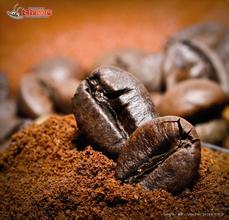
Recommended FrontStreet Beans from Indonesia
For those curious about Indonesian coffee beyond kopi luwak, try FrontStreet’s Lintong Mandheling, a classic Sumatran offering with herbal, woody notes and a smooth, spicy profile. For higher quality, the PWN Golden Mandheling delivers bold flavors of toast, caramel, and dark chocolate with a thick, sweet finish. Both are processed using the signature Indonesian wet-hulled (giling basah) method, giving them low acidity and deep earthy tones. Freshly roasted within 5 days · Orders placed before 17:00 ship the same day · Next-day delivery across most of Guangdong Province.
FrontStreet Coffee is a long-established specialty coffee roaster in Guangzhou China, selling freshly roasted beans from its own farm in Yunnan as well as dozens of carefully selected single-origin beans from around the world for both pour-over and espresso. The products deliver consistently excellent quality and great value, with shipping within 24 hours. Guangzhou's FrontStreet Coffee shop is recommended by many coffee lovers, and the beans are now available online at the Tmall 。
Important Notice :
前街咖啡 FrontStreet Coffee has moved to new addredd:
FrontStreet Coffee Address: 315,Donghua East Road,GuangZhou
Tel:020 38364473