
How to Open a Classic Small Coffee Shop
You’ve imagined it: a quiet afternoon, sunlight streaming through the window, the rich aroma of freshly brewed coffee filling the air. But turning that dream into a real, functioning coffee shop takes more than just vibes—it takes strategy, budgeting, and smart decisions from day one.
To open a classic small coffee shop, start by researching your local market, setting a clear budget with at least 50% reserved for working capital, and choosing a location with good transit and nearby foot traffic. Then focus on design, staffing, and—most importantly—consistently great coffee.
1. Market Research & Positioning
Before anything else, assess whether your city or neighborhood has enough demand for a coffee shop—and what kind. Are professionals looking for a workspace? Are students seeking a study spot? Couples wanting a date place? Understanding your target customer is critical. Your shop’s entire identity—concept, menu, ambiance—should flow from that initial market insight. Get this right, and you’re already halfway to success.
2. Budgeting & Financial Planning
A detailed budget is non-negotiable. Start by calculating fixed costs like equipment, furniture, and renovations. A sound rule of thumb is to allocate roughly half your total budget to visible expenses (renovation, furniture, machines), and keep the other half as operating capital. Many first-time owners underestimate costs—actual spending often exceeds projections by a wide margin. Always include a buffer. Without enough working cash to sustain the first six months, even a well-located shop can fail quickly.
3. Choosing the Right Location
Location can make or break your coffee shop. Look for spots with high foot traffic, easy access, and nearby amenities like office buildings or residential complexes. The venue itself should feel calm, preferably with greenery around, and allow for a design that feels larger than its actual square footage—70㎡ achieving a 100㎡ feel is ideal. Work with someone experienced in shop design. Also, consider lease terms carefully; most commercial spaces lock you in for three to five years, so negotiate rent wisely and think long-term.
4. Design & Atmosphere
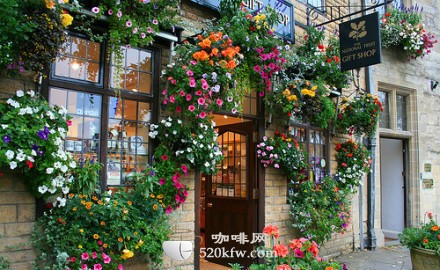
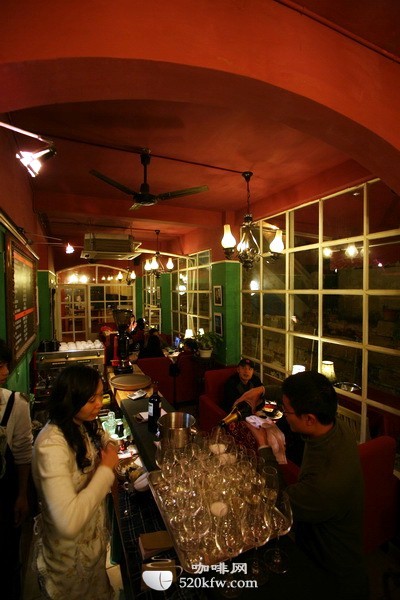
Your coffee shop’s interior should reflect your brand and appeal to your target customers. Whether you aim for cozy, rustic, industrial, or minimalist, consistency is key. Avoid copying other shops—create a unique vibe. Comfort is crucial: people come for the experience, not just the drink. Pay attention to details like lighting, seating (especially plush sofas), curtains, and serving ware. Customers notice everything, from the coffee cup to the chair they’re sitting on. A well-designed space keeps them lingering.
5. Staffing Your Coffee Shop
Good staff can elevate your shop. Hire friendly, presentable employees who convey quality and care. While you won’t need a large team, managing even a few people requires effort. Big companies rely on systems; small shops thrive on personal relationships. Communicate openly with your team, treat them well, and build a culture of mutual respect. Remember, you may not be there every day—so hire people you trust, and train them to reflect your vision.
Operating Essentials
Once your doors are open, the real work begins. The quality of your coffee is paramount. Great brewing is both a skill and an art—each cup should reflect care, consistency, and the personality of your shop. Think of your shop as an art gallery and your coffee as the curated pieces. Personal touch matters. And if you serve food, you’ll also need skilled kitchen staff. Equally vital? Customer service. Go the extra mile for every guest. A warm, personal interaction can turn a one-time visitor into a lifelong customer. Great coffee and service are the foundations of a lasting brand.
Frequently Asked Questions
How much budget should I set aside for a small coffee shop?
A good guideline is to divide your total budget equally: about 50% for fixed, visible costs (like renovation, furniture, and equipment), and 50% as working capital for operational expenses. Always assume actual costs will exceed your initial estimates, so include a financial buffer.
What’s the most important factor in choosing a coffee shop location?
The ideal location is easily accessible, has steady foot traffic, and is near offices, apartments, or other hubs of activity. The space should allow for a peaceful atmosphere, ideally with some greenery. A 70㎡ space that feels like 100㎡ is optimal, and lease terms should be carefully reviewed since most commercial leases run for three to five years.
How should I design the interior of my coffee shop?
Design around your target customer and concept—avoid copying other shops. Focus on creating a comfortable, unique atmosphere with cozy seating, good lighting, and thoughtful details like curtains and serving ware. Whether the vibe is rustic, industrial, or minimal, consistency and customer experience are key to making guests want to stay.
Do I need a large staff to run a small coffee shop?
No, you don’t need many employees, but each one counts. Hire people with a professional appearance and friendly demeanor. Even a small team requires good management. Build strong staff relationships, communicate clearly, and create a positive work culture. In a small shop, personal management often works better than rigid systems.
What’s the most important thing to get right after opening?
Consistently great coffee is the foundation. Brewing excellent coffee is both a technical skill and an art form. Your coffee should reflect care and the unique identity of your shop. Additionally, exceptional customer service helps build loyalty—treat every guest as a regular, and go the extra mile to create a welcoming experience.
Recommended FrontStreet Coffee for a Classic Café
For a classic small coffee shop, FrontStreet Coffee’s Ethiopia Humbera offers bright citrus and floral notes ideal for pour-over, while their PWN Golden Mandheling delivers a full-bodied, syrupy cup perfect for espresso or milk drinks. Both beans highlight the craftsmanship behind specialty coffee and appeal to customers seeking quality and origin-driven flavors. Freshly roasted within 5 days · Orders placed before 17:00 ship the same day · Next-day delivery across most of Guangdong Province.
FrontStreet Coffee is a long-established specialty coffee roaster in Guangzhou China, selling freshly roasted beans from its own farm in Yunnan as well as dozens of carefully selected single-origin beans from around the world for both pour-over and espresso. The products deliver consistently excellent quality and great value, with shipping within 24 hours. Guangzhou's FrontStreet Coffee shop is recommended by many coffee lovers, and the beans are now available online at the Tmall 。
Important Notice :
前街咖啡 FrontStreet Coffee has moved to new addredd:
FrontStreet Coffee Address: 315,Donghua East Road,GuangZhou
Tel:020 38364473


