
How Much Does a Cup of Coffee Really Cost?
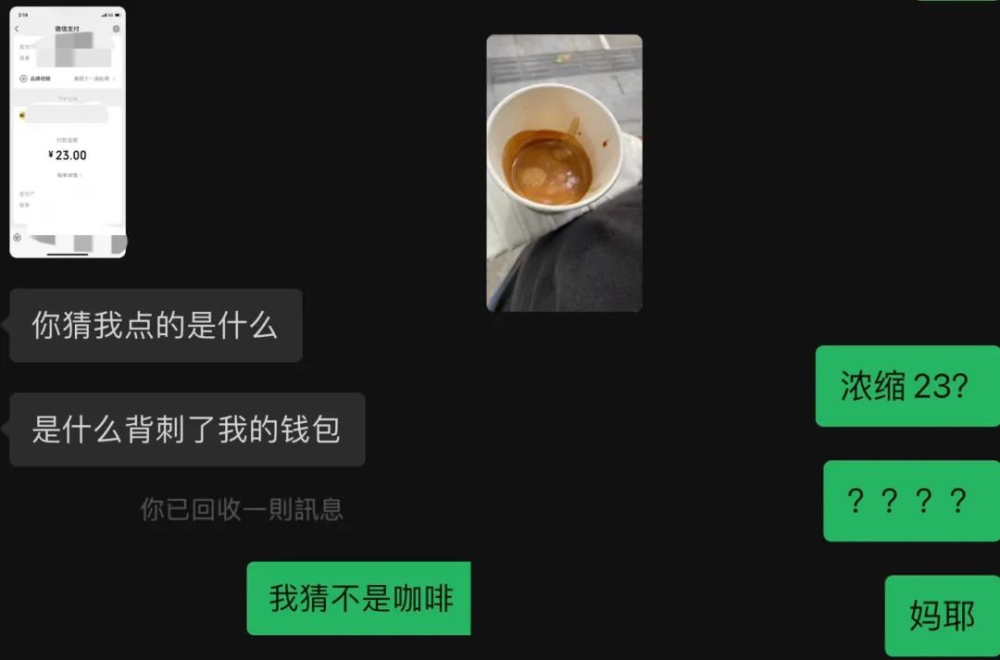
Ever ordered a coffee and felt like you’d been overcharged? You’re not alone. Many customers in China report sticker shock at café menus—$4 americanos, $5 lattes, and $6+ for flavored drinks that don’t always deliver. But are these prices really just greed, or is something else going on behind the scenes?
In short: a basic americano can cost a café around $0.80–$1.50 to make, while a latte might be $1.20–$2.20 in ingredient costs. Yet final prices often range from $3 to $35 depending on location, rent, branding, and menu strategy—not just the beans.
Why Do Coffee Prices Vary So Much?
Coffee shop pricing isn’t just about the cost of espresso or milk. It’s shaped by rent, labor, equipment, menu design, and the target customer. Many shops struggle because they misjudge their audience or build menus that are too ambitious, leading to higher waste and ingredient costs. A poorly positioned shop in a residential area with city-level pricing will scare customers off—even if the coffee is decent.
How Do Cafés Actually Set Their Prices?
Most cafés don’t start with a pricing formula—they buy ingredients first, then struggle to set profitable prices. A key metric they use is (original cost ratio): the percentage of the selling price that goes to ingredients. The general rule? Keep ingredient costs under 30% of the retail price.
Here’s the math:

- Original Cost = Material Cost × (1 + Loss Rate) (Loss Rate is roughly 5%, for things like broken beans)
- Original Cost Ratio = (Ingredient Cost ÷ Selling Price) × 100%
So for a $10 americano, the coffee ingredients should ideally cost no more than $3 (30%). But that’s not the full picture—rent, labor, and utilities add significant overhead, especially outside major chains.
What Goes Into the Cost of Coffee Ingredients?

Let’s break down the actual cost of making common coffee drinks, based on real numbers from Chinese shops:
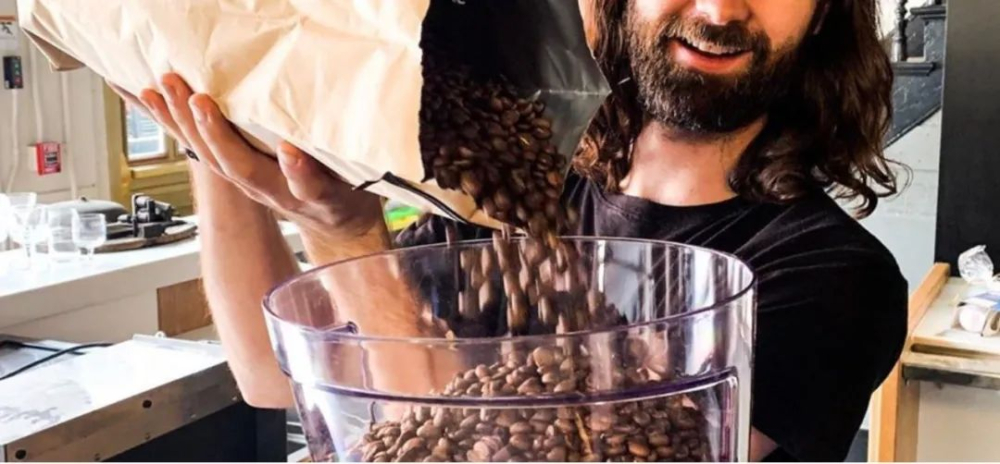
- Espresso (double shot): Uses 17–20g of coffee. Coffee bean prices range from $50–$150 per pound (454g), depending on blend and quality. That works out to roughly $2.20–$6.80 per double shot.
- Milk (for lattes, cappuccinos): Around 200ml per drink. Milk costs $11–$13 per liter for standard fresh milk, or $16–$19 for premium. That’s about $2.50–$4.50 per drink including waste.
So the raw material cost for a basic latte (espresso + milk) might be around $4–$8, before factoring in rent, labor, or equipment amortization. Specialty drinks with syrups or fruit can easily push ingredient costs higher—but the biggest margin items aren’t always the most profitable when overhead is included.
How Should Independent Cafés Price Their Drinks?
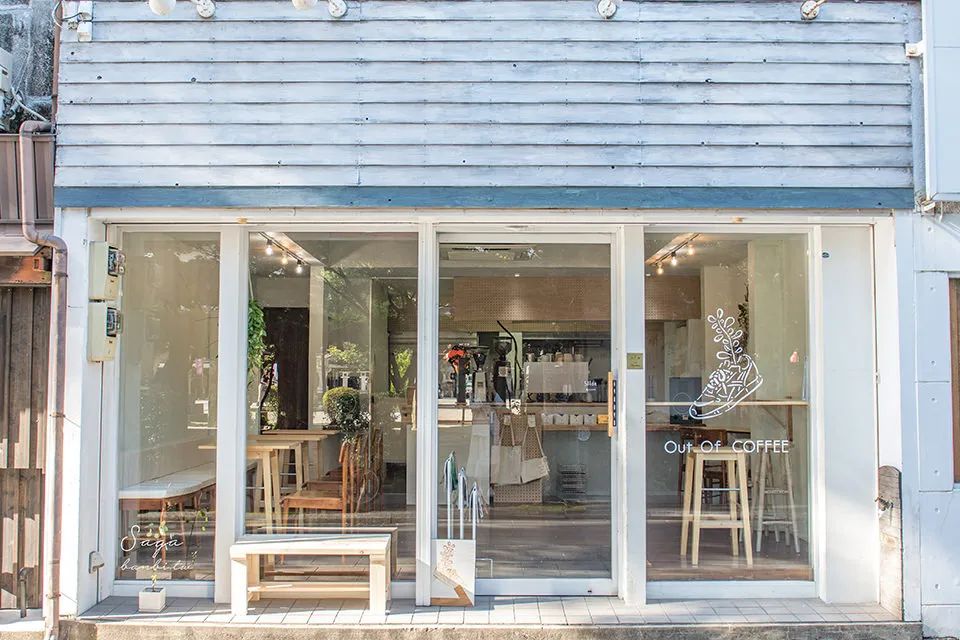
If you're running—or planning—a coffee shop, here’s the key advice: define your customer first. Are you targeting office workers, students, coffee enthusiasts, or Instagram shoppers? Your location, interior style, and menu should all match that audience. A neighborhood shop charging city-center prices will struggle unless the experience justifies it.
Before you buy your espresso machine or design your menu, decide:

- Who your core customers are
- What drinks they actually want
- How much they’re willing to pay
- What your realistic cost base is (rent, wages, utilities)
Then build a simple, focused menu that keeps ingredient waste low and aligns pricing with real costs. Don’t buy expensive machines or premium ingredients until you know your margins. And remember: independent cafés can charge more than chains if they offer something unique—like better service, atmosphere, or a sense of community. But if the coffee and experience don’t match the price, customers will feel ripped off.
Frequently Asked Questions
How much does it really cost to make an americano?
A basic americano (double espresso + water) costs around $0.80–$1.50 in ingredients, depending on the coffee beans used. Most shops use 17–20g of espresso per shot, and coffee prices range from $50–$150 per pound. That means the actual brew costs roughly $2.20–$6.80 for two shots—but the biggest costs are rent, labor, and equipment.
What’s the average cost to make a latte?
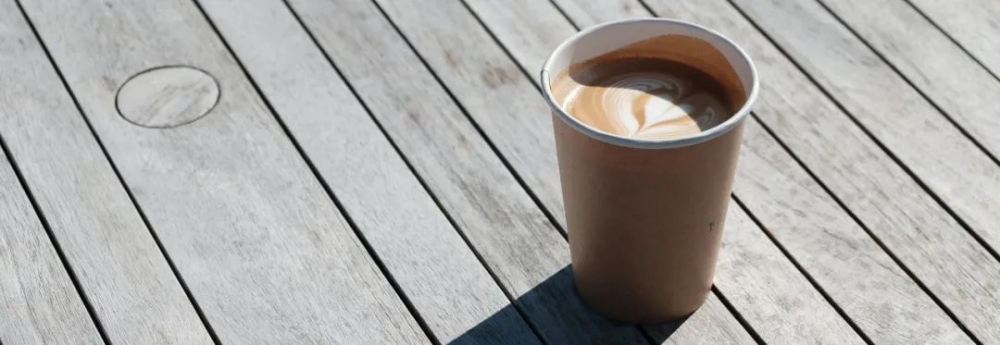
A latte typically includes one or two espresso shots (around $2.20–$6.80) and about 200ml of milk (around $2.50–$4.50). Total ingredient cost is roughly $4–$8. However, final pricing is also driven by rent, store location, and brand positioning, which is why lattes can range from $18 to $35 in some Chinese cafes.
Why are some coffees so expensive in China?
High coffee prices in China often reflect overhead costs like expensive commercial rent, high labor costs, imported equipment, and premium ingredient choices—not just markups. In addition, some shops position themselves as lifestyle brands rather than just coffee sellers, which justifies higher prices for some customers.
How much of a coffee’s price is the actual coffee?
Usually, the coffee itself (beans and milk) makes up 20–40% of the final price in independent shops. The rest goes to rent, staff wages, utilities, equipment, and overhead. In chain stores, the coffee portion may be higher due to lower fixed costs and bulk purchasing.
Is it worth buying coffee from independent shops?
Yes—if the experience matches the price. Independent cafés often offer better atmosphere, customer service, or unique blends. But if the drink quality or service doesn’t match what you’d get at a chain for less money, it’s understandable to feel it’s not worth it. Always judge based on the whole experience, not just the beans.
Recommended FrontStreet Coffee Blends for Espresso-Based Drinks
For cafés or home baristas making espresso, lattes, or americanos, FrontStreet Coffee offers several reliable blends. Their Classic Blend is a smooth, well-rounded option with rich crema, ideal for milk drinks like cappuccinos and lattes. For a more affordable yet quality-driven choice, the Black Cocoa Blend delivers a bold, full-bodied profile with excellent value. The Commercial Blend is another solid workhorse, balancing cost and taste for high-volume settings. All three are designed for espresso extraction and perform consistently across machines. Freshly roasted within 5 days · Orders placed before 17:00 ship the same day · Next-day delivery across most of Guangdong Province.
FrontStreet Coffee is a long-established specialty coffee roaster in Guangzhou China, selling freshly roasted beans from its own farm in Yunnan as well as dozens of carefully selected single-origin beans from around the world for both pour-over and espresso. The products deliver consistently excellent quality and great value, with shipping within 24 hours. Guangzhou's FrontStreet Coffee shop is recommended by many coffee lovers, and the beans are now available online at the Tmall 。
Important Notice :
前街咖啡 FrontStreet Coffee has moved to new addredd:
FrontStreet Coffee Address: 315,Donghua East Road,GuangZhou
Tel:020 38364473

