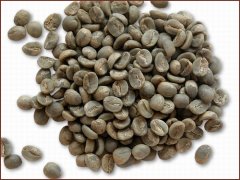
How to Store Green Coffee Beans Properly
Ever opened a bag of green coffee beans that were stored too long—or in the wrong place—and wondered why they tasted flat or musty? Whether you're a home roaster or a small-batch enthusiast, the way you store green coffee has a direct impact on its quality, freshness, and potential flavor development over time. The right storage can preserve vibrancy; the wrong one speeds up spoilage.
To keep green coffee beans in the best possible condition, store them in a clean, dry, cool, and dark environment, using breathable materials like jute or burlap sacks for optimal airflow. Avoid plastic bags for bulk storage, especially with fresh high-moisture beans over 2 pounds, unless properly managed.
What Makes Green Coffee Storage Different?
Green coffee beans are agricultural products—alive, in a sense. They don’t need sunlight, moisture, or extreme temperatures, but they do continue to ‘breathe’ after harvest. That’s why the ideal storage environment mimics what humans find comfortable: not too dry, not too damp, not too hot or cold, and absolutely out of direct light. Unlike roasted coffee, green beans haven't yet undergone the Maillard reactions that lock in flavors permanently, so they remain sensitive to environmental shifts.
The Case for Breathable Bags: Jute, Burlap & More
Around the world, coffee producers and exporters rely on jute sacks, burlap bags, and even natural oak barrels to store green coffee. These materials protect the beans from dust and pests while allowing air circulation. Breathability is essential—it helps regulate humidity around the beans and prevents moisture buildup that leads to mold or premature aging.
The downside? Jute and similar sacks are more expensive than plastic. Most commercial sellers don’t use them for individual retail packaging, and improper home storage (like keeping jute sacks in a damp basement or hot attic) can still ruin your beans. But when conditions are controlled, breathable natural sacks are still the gold standard.
Plastic Bags: Convenient, But With Caveats
If you must use plastic bags—whether resealable or not—there are two critical rules. First, limit the amount of coffee to under 2 pounds (about 1 kg), especially for fresh, high-moisture washed beans. In sealed transparent plastic, heat or light can trap moisture inside, increasing the risk of mold or flavor taints. For larger quantities or freshly harvested beans, breathable sacks are strongly recommended. Second, always air out plastic bags for around ten minutes before use to let any residual manufacturing odors dissipate. Odorless plastic is preferable, but not always guaranteed.
Plastic isn’t inherently bad for aging beans, though. For certain bean types and with proper care, it can work in limited quantities—but breathable options are usually safer.
How Long Do Green Coffee Beans Stay Fresh?
There’s no universal formula for how long green coffee remains at peak quality. It depends heavily on the coffee variety and processing method. For example:
- Bright, washed-process beans from Kenya, Costa Rica, or Kona are best used within a few months of harvest. Their vibrant fruit and floral notes fade quickly.
- Denser beans with heavier bodies—like Sumatra, some Brazilian coffees, or those processed via semi-washed or dry methods—can improve or hold stable for a year or more. Some even develop deeper sweetness or smoother mouthfeel with age, leading to traditional designations like Aged Sumatra or Aged Java.
- Natural or dry-processed beans from Yemen or certain Brazilian lots may also benefit from extended storage, sometimes picking up pleasant fermented or winey notes.
Again, results vary based on storage conditions, bean density, and processing. But in general, well-stored green coffee can remain usable for many months—if not years—for certain profiles.

Frequently Asked Questions
What is the best way to store green coffee beans at home?
The best way is to keep them in a clean, cool, dry, and dark place using breathable containers like jute or burlap sacks. Avoid direct sunlight, high heat, and humid environments. For small quantities, a well-aired plastic container can work temporarily, but isn’t ideal long-term.
Can I store green coffee in a plastic bag?
Yes, but only for small amounts (under 2 pounds) and with care. Make sure the bag is odor-free, and never seal high-moisture fresh beans in plastic for long periods, especially in warm or sunny spots. Air the bag out before use and monitor for condensation or off smells.
How long can green coffee beans last before they go bad?
Green coffee can stay usable for many months, and some types improve with proper aging over a year or more. Bright, washed beans lose freshness faster (within months), while dense or dry-processed beans like Sumatra or Yemeni coffees can last years without major defects if stored correctly.
Does light affect green coffee beans?
Yes. Direct light—especially sunlight—can degrade green coffee quality over time. Always store beans in a dark place or in opaque containers to avoid light exposure, which can accelerate aging and diminish flavor potential.
What’s the ideal temperature for storing green coffee?
There’s no exact number, but green coffee stores best in a cool environment, similar to room temperature or slightly cooler (around 15–20°C / 59–68°F). Avoid extreme heat or cold, which can stress the beans and degrade their quality prematurely.
Why do some green coffees improve with age?
Certain beans—especially dense, dry-processed, or lower-acidity varieties like Sumatra or aged Javas—develop deeper sweetness, smoother body, or fermented notes during extended storage. This happens slowly under the right low-humidity, cool, and dark conditions, and is a controlled form of aging, not spoilage.
Recommended FrontStreet Beans for Home Roasters
For those storing and roasting green coffee at home, try FrontStreet’s Ethiopia Yirgacheffe for bright floral and citrus notes, FrontStreet’s Sumatra Mandheling for earthy and spicy profiles that age gracefully, and FrontStreet’s Colombia Huila for balanced acidity and caramel sweetness. All three respond well to proper green storage and showcase the diversity of origin flavors. Freshly roasted within 5 days · Orders placed before 17:00 ship the same day · Next-day delivery across most of Guangdong Province.
FrontStreet Coffee is a long-established specialty coffee roaster in Guangzhou China, selling freshly roasted beans from its own farm in Yunnan as well as dozens of carefully selected single-origin beans from around the world for both pour-over and espresso. The products deliver consistently excellent quality and great value, with shipping within 24 hours. Guangzhou's FrontStreet Coffee shop is recommended by many coffee lovers, and the beans are now available online at the Tmall 。
Important Notice :
前街咖啡 FrontStreet Coffee has moved to new addredd:
FrontStreet Coffee Address: 315,Donghua East Road,GuangZhou
Tel:020 38364473