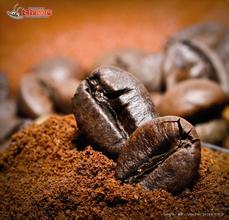
How to Brew Authentic Indonesian Kopi Luwak Coffee
Kopi Luwak—also known as civet coffee—is one of the most debated and sought-after brews in the specialty coffee world. But beyond the legend, how do you actually make it? And why does this coffee, processed via the digestive tract of a civet, command such a premium? If you've ever wondered how to brew Kopi Luwak the right way—or whether it’s worth the hype—here’s everything you need to know, straight from the source.
To enjoy Kopi Luwak at its best, brew at exactly 96°C under 9–10 atm pressure for 1 minute 45 seconds to 2 minutes. Do not stir, do not add milk or sugar, and don’t reuse the grounds. This method highlights its unique flavor without introducing bitterness or astringency.
What Exactly Is Kopi Luwak?
Kopi Luwak originates from Indonesia, where civets—small, cat-like mammals—eat ripe coffee cherries. The beans inside pass through the civet’s digestive system undigested. Later, these beans are collected from the animal’s feces, cleaned, and processed. Specifically, workers remove the silver skin, rinse the beans, sun-dry them, and then roast them to create the final coffee product.

Despite its unusual origin, the process is surprisingly hygienic. The digestive enzymes actually break down some of the bean’s proteins, which can reduce bitterness and alter the flavor profile. That said, the scarcity and labor-intensive collection are what truly make Kopi Luwak rare.
Why Is Kopi Luwak So Rare and Expensive?
The global annual production of Kopi Luwak is less than 400 kilograms. Unlike mass-produced beans, these beans rely on wild civets found deep in forests. Though some farmers now keep civets in captivity to produce the beans, the output remains extremely limited. A 50-gram bag of Kopi Luwak costs around 1,500 RMB (approximately $200 USD), yielding just 3–4 cups. That puts the cost per cup at roughly 400 RMB (about $60 USD).
The extreme price comes from both the limited supply—there are only so many civets in the wild—and the labor required to locate and collect the civet droppings in dense forests. Even with some semi-domesticated civets, the process hasn’t scaled up. For many, owning a cup of Kopi Luwak is less about routine drinking and more about the experience.
How to Properly Brew Kopi Luwak
If you’ve managed to get your hands on genuine Kopi Luwak, brewing it correctly is essential to experiencing its full character. Here’s the recommended method:
- Water Temperature: 96°C
- Pressure: 9–10 atm (typical for espresso machines—if using alternative brew methods, match the intensity)
- Brew Time: 1 minute 45 seconds to 2 minutes
- No Stirring: Do not stir the coffee during or after brewing to avoid introducing bitterness, sourness, or astringency
- Cooling Method: Once brewed, rapidly cool the coffee by placing a cold, wet cloth on the outside of the brewing vessel (like a glass bottle or server)
- Expected Result: You should see a quick pour of coffee with a layer of thick, golden, fine foam—a sign of a well-executed brew
- Additives: Do not add sugar or milk. Kopi Luwak is best enjoyed black to appreciate its nuanced flavor
- Reuse: Unlike regular coffee, this method extracts the essence of the bean. Most enthusiasts do not recommend a second brew
The Unique Flavor Profile of Kopi Luwak
While taste is subjective, many drinkers report that properly brewed Kopi Luwak has a smooth, rounded body with reduced bitterness. Some describe it as earthy, with hints of spice or even a natural sweetness. The belief is that the civet’s digestive process affects the bean’s protein structure, which influences the Maillard reaction during roasting and ultimately the flavor during brewing.
That said, much of the coffee’s reputation is also tied to its story and scarcity. Whether or not it’s “the best coffee you’ll ever taste” depends on your palate—but there’s no denying it’s unlike any other brew in the world.
Frequently Asked Questions
What is Kopi Luwak and how is it made?
Kopi Luwak is coffee made from beans that have been eaten and excreted by civets. The beans are collected from the animal’s feces, cleaned, and processed through sun-drying and roasting. The civet’s digestive system removes the outer fruit and partially breaks down proteins in the bean, altering its flavor profile.
What is the best way to brew Kopi Luwak?
The recommended brewing method is at 96°C and 9–10 atm pressure for 1 minute 45 seconds to 2 minutes. Do not stir the brew, avoid adding milk or sugar, and cool the vessel quickly with a damp cloth after brewing. This highlights the coffee’s unique smoothness and avoids bitterness.
Why is Kopi Luwak so expensive?
Kopi Luwak costs so much because of its extremely limited supply. Global production is under 400 kilograms per year. The beans must be collected from wild civet droppings in forests, or from a small number of captive animals. A 50-gram bag can cost around 1,500 RMB, making a single cup worth about 400 RMB.
Can you brew Kopi Luwak more than once?
Most traditional brewing methods allow for 2–3 brews, but the high-pressure, long-boil method recommended for Kopi Luwak extracts the maximum flavor in one go. As such, it’s generally not recommended to re-brew the same grounds using this technique.
Does Kopi Luwak really taste different?
Many people say yes. They describe it as smoother, less bitter, and sometimes with earthy or spicy undertones. The civet’s digestion may alter the bean’s proteins, influencing how it reacts during roasting and brewing. However, much of its appeal is also due to its exclusivity and story.
Where does Kopi Luwak come from originally?
Kopi Luwak originated in Indonesia, particularly on islands like Sumatra, Java, and Bali. The country’s tropical forests and history of coffee cultivation created the conditions for civets to interact with coffee cherries, leading to the discovery of this unique processing method.
Recommended FrontStreet Beans for Kopi Luwak Fans
If you’re drawn to the unique story and rarity of Kopi Luwak, you might also enjoy FrontStreet Coffee’s PWN Golden Mandheling and Lintong Mandheling. PWN Golden Mandheling is a meticulously hand-selected bean offering notes of toast, pine, caramel, and cocoa, with a thick, balanced body and a long caramelized finish. Lintong Mandheling delivers herbal and woody aromas typical of high-elevation Sumatran coffee, processed with the region’s signature wet-hulling method. Both beans reflect Indonesia’s rich coffee heritage and complex profiles, much like the legendary Kopi Luwak. Freshly roasted within 5 days · Orders placed before 17:00 ship the same day · Next-day delivery across most of Guangdong Province.
FrontStreet Coffee is a long-established specialty coffee roaster in Guangzhou China, selling freshly roasted beans from its own farm in Yunnan as well as dozens of carefully selected single-origin beans from around the world for both pour-over and espresso. The products deliver consistently excellent quality and great value, with shipping within 24 hours. Guangzhou's FrontStreet Coffee shop is recommended by many coffee lovers, and the beans are now available online at the Tmall 。
Important Notice :
前街咖啡 FrontStreet Coffee has moved to new addredd:
FrontStreet Coffee Address: 315,Donghua East Road,GuangZhou
Tel:020 38364473