
"Jampit"
38 article(s) found

Traga Sulawesi Fine Coffee Asian Flavor Blended with Espresso Italian
Only a few government-owned estates still produce high-quality arabica beans, and thanks to these estates we can taste excellent java beans. Common are Cayumas, Brawan and Jampit (or spelled Jampit). These state-owned estates all taste clean, with soft fruit acidity and aroma. Cayumas is slightly stronger, but

Introduction of Java Coffee beans in Blawan Estate Brawan Manor, Indonesia _ Java five Coffee Manors
Professional coffee knowledge exchange more coffee bean information please follow Coffee Workshop (Wechat official account cafe_style) Java Coffee Manor Blawan is produced on the Blawan plantation in East Java on the Ijen Plateau. Blawan (also known as Belawan or Blauan) is one of the five largest estates in the region, dating back to Dutch colonial times. Like most Java, not like Sue.

Major coffee producing areas in the world
JAVA Market name: Blawan, Jampit. KENYA: Kiambu, Thika, Ruiru, Meru, Embu, Kisii. Market name: Kenyas, Nairobi. Madagascar (MADAGASCAR) producing areas: North West, Central East, South East. Market name: Madagascarian. Mexico (MEXIC

About raw beans coffee beans in Asia and Arabian Peninsula
Ndonesia Java Jumpeter Indonesia | Indonesia Java Jampit Indonesia Sumatra Manning G1 | Indonesia Sumatra MandhelingGrade1 Indonesia Sulawesi Tonaga | Indonesia Sulawesi Toraja India Indian Monsoon Malabar AA Coffee | Indian Monsooned Malabar AA Viet

Introduction to the main Coffee producing countries in the World
JAVA Market name: Blawan, Jampit. KENYA: Kiambu, Thika, Ruiru, Meru, Embu, Kisii. Market name: Kenyas, Nairobi. Madagascar (MADAGASCAR) producing areas: North West, Central East, South East. Market name: Madagascarian. Mexico (MEXIC
Boutique Coffee the main coffee producing areas in the world
JAVA Market name: Blawan, Jampit. KENYA: Kiambu, Thika, Ruiru, Meru, Embu, Kisii. Market name: Kenyas, Nairobi. Madagascar (MADAGASCAR) producing areas: North West, Central East, South East. Market name: Madagascarian. Mexico (MEXIC
Asian flavor of Sulawesi boutique coffee from Traga mixed with Espresso Italian blend
At present, only a few government-owned estates still produce high-quality Arabica beans, and thanks to the existence of these estates, we can taste excellent java beans. Often seen are Cayumas, Brawan and Gemma (or spelled as Jampit). The taste of these state-owned estates is very clean. Coupled with soft fruit acidity and aroma, Cayumas has a slightly stronger flavor, but

Java coffee is the typical coffee in Indonesia.
Java coffee is the typical coffee in Indonesia. Most coffee washed with water has no earthy or bitter taste. Java and neighboring Sumatra co-produce coffee, where there are special forms of farmers
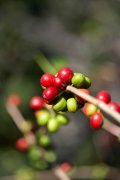
Java flavor coffee with strong coffee flavor
Java (Java) aroma 3.5 minutes brightness 3.5 minutes mellow 4 minutes flavor 4.5 points aftertaste 4 points suitable for baking degree: City/Full city full city is the best, can be shallower, but do not recommend deeper baking, after the baking end of the beans can make the flavor more complete. Java produces a lot of coffee, but it is a pity that most of them are Robusta species with poor flavor at present.
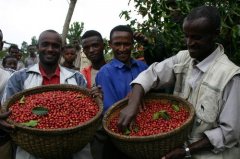
Premium Java beans, high quality Arabica coffee, Java coffee, Asian flavor coffee.
Java produces a lot of coffee, but it is a pity that at present, most of them are robusta species with poor flavor, and there are few high-quality Arabica beans left. this is because a coffee disaster in the 1970s caused coffee farmers to abandon the high-quality but delicate Arabica. Robsta, which is high-yield, easy to take care of but low-quality, only a few government-owned estates still produce high-quality products.
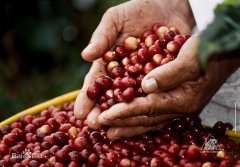
Cayumas, Brawan and Gemma premium Java coffee
Boutique coffee (specialty coffee) is also called specialty coffee selection coffee. It refers to coffee made from a small number of raw beans with excellent taste grown in an ideal geographical environment. Depending on the special soil and climatic conditions in which they grow, they have outstanding flavor. After strict selection and classification, this kind of coffee is hard in texture, rich in taste and stylish.

Java produces a lot of Asian coffee.
Boutique coffee (specialty coffee) is also called specialty coffee selection coffee. It refers to coffee made from a small number of raw beans with excellent taste grown in an ideal geographical environment. Depending on the special soil and climatic conditions in which they grow, they have outstanding flavor. After strict selection and classification, this kind of coffee is hard in texture, rich in taste and stylish.

Java coffee boutique coffee
As the birthplace of coffee, African coffee plays an important role in the whole coffee industry. Although the commercial cultivation of coffee has been developed around the world for hundreds of years, the unknown wild coffee varieties in Africa are still the greatest treasure in the hearts of coffee researchers. African coffee is generally characterized by strong aroma and charming acidity, and its sour taste is lively and lively.

Fat-burning is light and perfect-you deserve it!
Zuowa coffee, selected light roasted manor grade ground coffee, adding weight loss star ingredients L-Carney

Java coffee production Asian flavor coffee boutique coffee
The term "fine coffee" was first put forward by Ms. Knudsen of the United States in Coffee and Tea magazine. At that time, Ms. Knudsen, as a coffee buyer at B.C. Ireland in San Francisco, was very dissatisfied with the neglect of the quality of raw coffee in the industry, and even some big roasters mixed a large amount of Robesda beans in the comprehensive beans, so she put forward the concept of boutique coffee.

Robusta grows Java boutique coffee, mellow Java coffee, low acid coffee, boutique coffee.
Boutique coffee (specialty coffee) is also called specialty coffee selection coffee. It refers to coffee made from a small number of raw beans with excellent taste grown in an ideal geographical environment. Depending on the special soil and climatic conditions in which they grow, they have outstanding flavor. After strict selection and classification, this kind of coffee is hard in texture, rich in taste and stylish.

The characteristics of Java coffee beans how to handle Java coffee how about java Java coffee
Professional coffee knowledge exchange more coffee bean information please follow the coffee workshop (Wechat official account cafe_style) Arabica coffee was introduced to Java in 1699 and exported to Europe 12 years later in 1711. For the next 150 years, the harvest was good until coffee rust first hit the area in 1878. The Dutch grow Arabica at a higher altitude
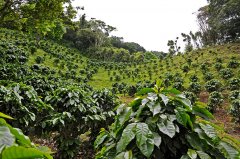
Java boutique coffee grows Asian coffee
High-quality coffee beans are refined by water treatment. The coffee beans with less impurities can be obtained by the water washing method, but if the water quality and time are not properly controlled during the fermentation process, the coffee beans will easily be infected with the sour taste of excessive fermentation. and dry beans also need to pay attention to timely re-inspection to prevent coffee beans from being contaminated by wet ground and sundries. Processed

Java boutique coffee beans Asian coffee flavor high quality Arabica beans
When it comes to Asian coffee, the first impression of coffee lovers is often calm and calm. Asian coffee is generally characterized by thick flavor, strong sweetness and round taste, but slightly flat aroma and brightness. It is precisely because of the heavy nature of Asian coffee that it is very suitable to be used as a base when making Italian coffee. Raw coffee beans in Asia are generally processed by wet or semi-wet methods.

Sour fruit and aroma Java boutique coffee Asian coffee bean chocolate flavor Java Manor
1. A variety of fine coffee. It is better to use Arabica inherent variety Tibica or bourbon variety. two。 Is the altitude, topography, climate, soil and refinement of the cultivated land or farm clear? Generally speaking, the coffee with high altitude is of higher quality, and the fertile volcanic soil is the best. 3. The harvesting method and refining method are adopted. Generally speaking, manual harvesting method and washing essence are adopted.