
"Kissaten"
4 article(s) found

Japanese Blue bottle Shinjuku
Abstract: the coffee shop decoration website Archdaily.com contains blue bottle coffee (blue bottle coffee) Tokyo Shinjuku district decoration photos and drawings. Blue bottle coffee from American boutique cafes has entered the Japanese market in a concise and concise style in line with Japanese Kissaten (tea shop) culture. Blue Shinjuku District, Tokyo. Blue is published on the coffee shop decoration website Archdaily.com

bottled iced coffee
North American cafes for some years have been brewing coffee in advance refrigerated and served over ice on warm summer days. Brewing, Refrigerating Coffee is usually prepared by the cold brewing method: Coffee is steeped in cold or room temperature water for about ten to twenty-four hours, and this continues after extraction, filtration and storage in the refrigerator until it is placed on ice. Japanese cafes and traditional kissaten

The real meaning of decorating a coffee shop with Japanese characteristics
Coffee shop provides a good cup of coffee at the same time, but also shoulder the function of the community sitting next to you, is the real meaning of the coffee shop. It is also a beautiful and warm thing to appear in a cafe with similar temperament, and the wandering heart settles down again. Thanks to every caf é that has reserved a paradise for the busy city life. Today, Chongqing Beresta
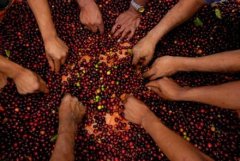
Fine Coffee Culture the History of Coffee and Tea in Japan
Compared with coffee, Japanese tea culture is more traditional and far-reaching, so if we want to mention coffee, let's first learn about Japanese tea culture. Tea has a very long history and origin in Japan. Japanese tea was introduced from China in the 8th-9th century because of the exchange of Buddhism. At the same time, people also brought tea seeds into Japan. By the 12th century, it had been opened in Japan.