Five Japanese Coffee Shops That Define Community
Ever walked into a coffee shop and instantly felt like you belonged? In Japan, coffee shops often serve as more than just places to get a caffeine fix—they’re community hubs, creative spaces, and quiet escapes. But what makes these cafés truly special isn’t just the coffee—it’s the atmosphere, the people, and the purpose behind every detail.
From a 20-square-meter coffee stand in Tokyo to a bakery-café in Osaka that doubles as a design studio, these five Japanese coffee shops prove that the heart of a great café lies in its ability to bring people together.
Tokyo’s Little Nap: A Cozy Coffee Stand in the City
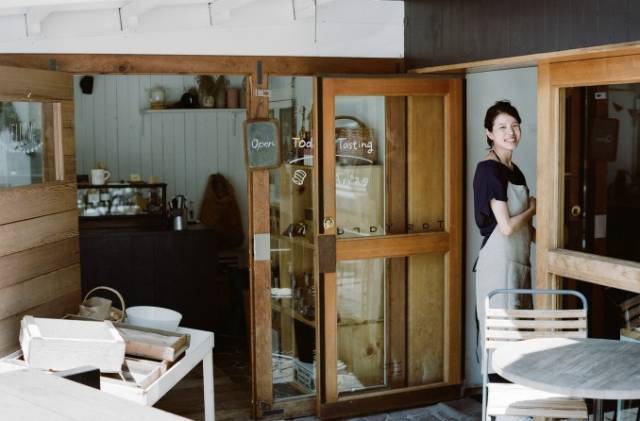
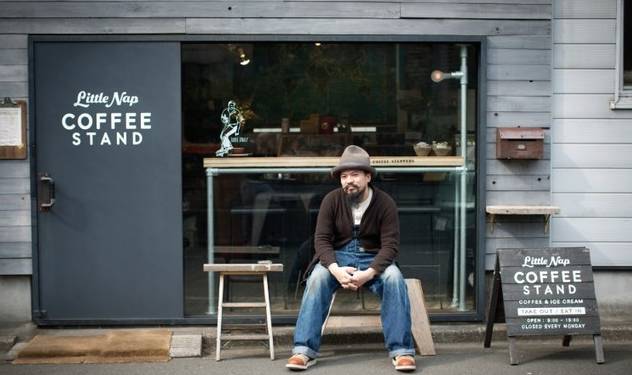
Nestled in a quiet residential area near Yoyogi Park, Little Nap is a compact 20-square-meter coffee stand that embodies Tokyo’s creative coffee scene. Opened by barista and music enthusiast Hamada Daisuke, the shop reflects his passion for both coffee and sound. Inspired by a shoe repair shop, the interior is minimal yet stylish—designed for comfort without sacrificing character.
Despite its tiny footprint, Little Nap is a microcosm of Tokyo’s coffee trends. Hamada crafts both pour-over and espresso-based drinks, adjusting machine settings based on humidity and temperature for optimal flavor. He’s also involved in music, hosting events and running a recording studio. Little Nap is part of a network of cafés he operates, including Bridge in Kappabashi and Vacant in Harajuku, often frequented by local bands and regulars who enjoy chatting with the friendly owner.

Tas Yard: Food, Fellowship, and Urban Comfort
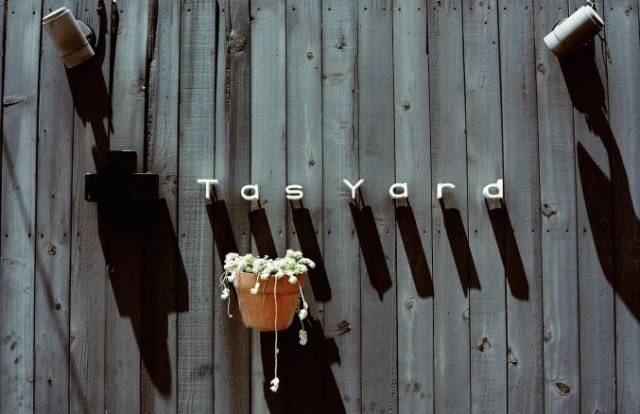
In the bustling Shibuya ward, Tas Yard stands out as a neighborhood café offering more than just coffee. Run by the charismatic owner Shunichiro Nakahara, this shop serves balanced meals alongside carefully brewed coffee. With a background in fostering connection, Nakahara has created a welcoming environment where office workers can relax and recharge.
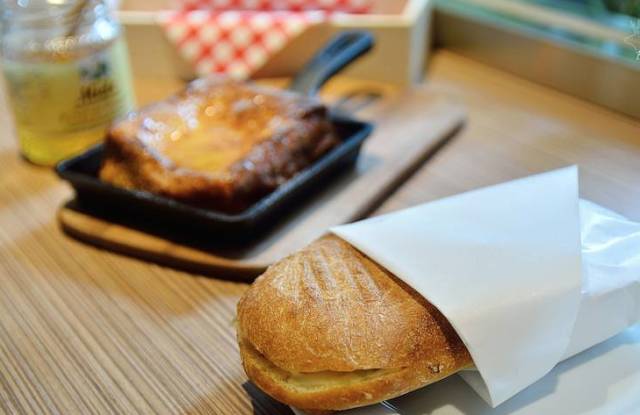
The menu includes comfort foods inspired by traditional Japanese kissaten, such as Japanese curry rice, pasta, and beef stew. Tas Yard also hosts workshops and gatherings, reinforcing its mission to offer a tranquil escape from the city’s fast pace. Nakahara emphasizes fresh, nutritious options, making it a go-to lunch spot for health-conscious locals.
Bread, Espresso &: A Parisian-Style Café in Omotesando
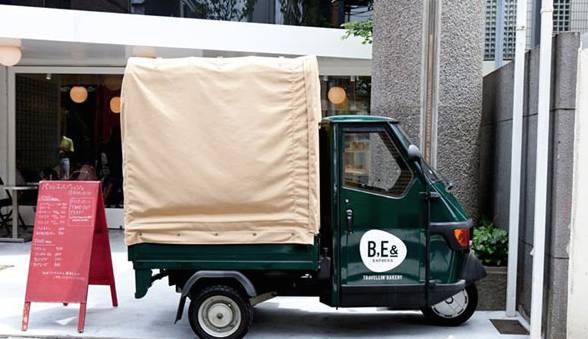
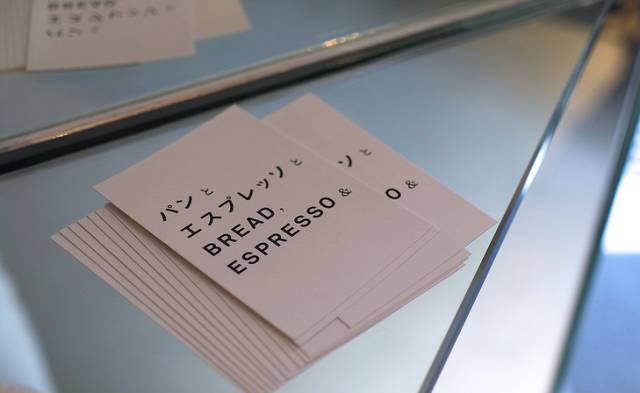
Located on the trendy Omotesando street, Bread, Espresso & is a bakery-café helmed by renowned barista Kengo Kusumi (also known as Guoyou Eiichi). Tucked between a tonkatsu restaurant and another coffee shop, this spot draws in passersby with the aroma of freshly baked goods. The café offers a peaceful outdoor seating area where customers can enjoy bread and coffee in the sunshine.
Kusumi, who also runs Kitsuné, another café nearby, brings international flair to this Tokyo favorite. Bread, Espresso & has even expanded overseas, with a branch in Taipei’s Xinyi District. It’s a prime example of how a simple concept—great bread, excellent coffee, and a sunny spot—can create a global following.

Graf: Coffee, Furniture, and Creative Collaboration
Founded in 1998 by six friends in Osaka, graf began as a dream to merge food, fashion, and furniture design. Many of the founders had backgrounds in furniture repair and renovation, which naturally evolved into crafting their own pieces. Over the years, their collective work expanded into video, lighting, jewelry, and exhibitions across galleries and cafés.
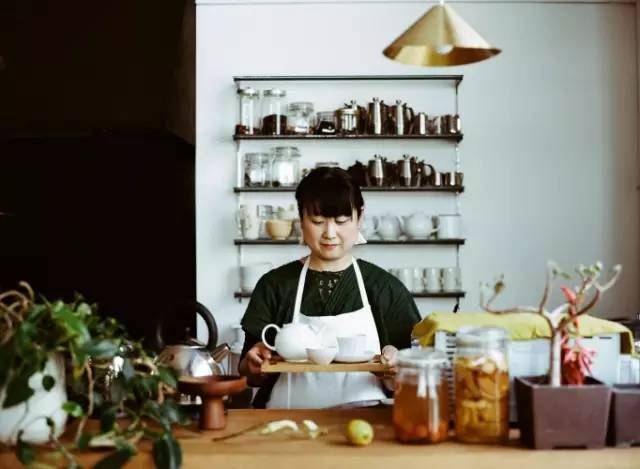
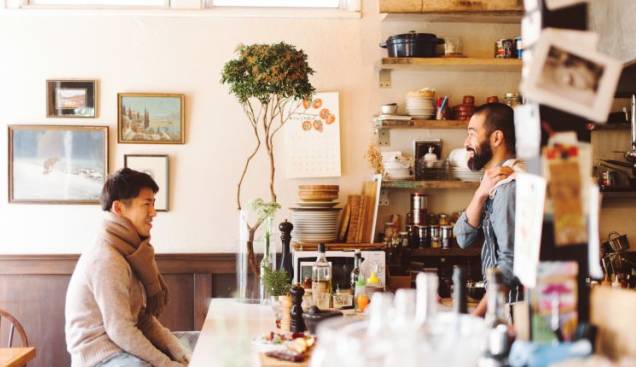
graf coffee & studio embodies their philosophy of respecting old objects and finding beauty in imperfection. The space functions as a café, studio, and workshop, reflecting their ethos of uncovering new ideas in everyday life. They challenge customers’ perceptions and encourage creative exploration whether at home, work, or in public. The team has even taken their concept abroad, opening a studio in the UK to spread their unique blend of Asian coffee culture and design innovation.
Osaka’s BIRD: A Cozy Corner for Food and Conversation
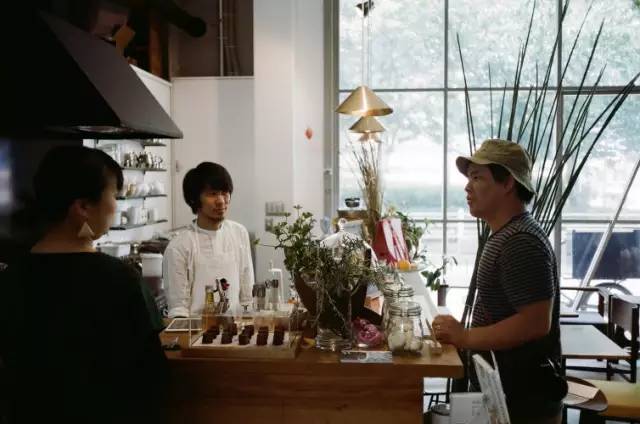
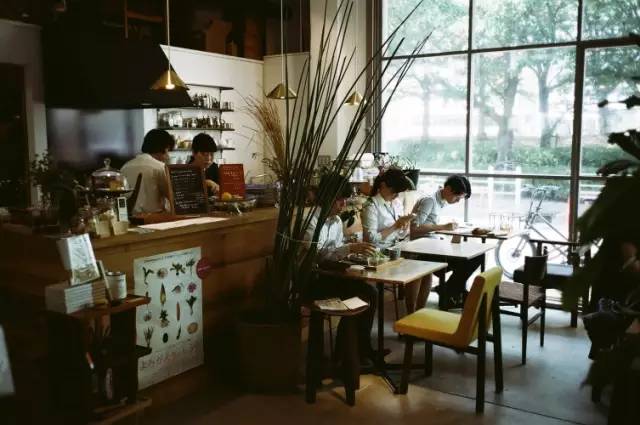
BIRD, a small street-corner café in Osaka, was born from owner Tokuhiko Kise’s desire to create a resting spot for passersby. With a background in furniture making, Kise sees food preparation as a craft similar to woodworking—transforming raw materials into something refined and satisfying.
The menu features globally inspired dishes, including steak sets, handmade doughnuts, salads, sandwiches, and soups—all designed to pair well with beer or wine. Of course, coffee is central to the experience, brewed using an old-fashioned siphon (vacuum pot) for a rich, theatrical result. BIRD is a testament to how a simple idea—offering a place to pause—can become a cherished community asset.

Frequently Asked Questions
What makes Japanese coffee shops different from others around the world?

Japanese coffee shops often emphasize community, craftsmanship, and a sense of place. Many are designed not just to serve coffee but to foster connection, creativity, and comfort—blending food, design, and conversation in ways that go beyond the typical café experience.
How small is Little Nap, and why is its size significant?
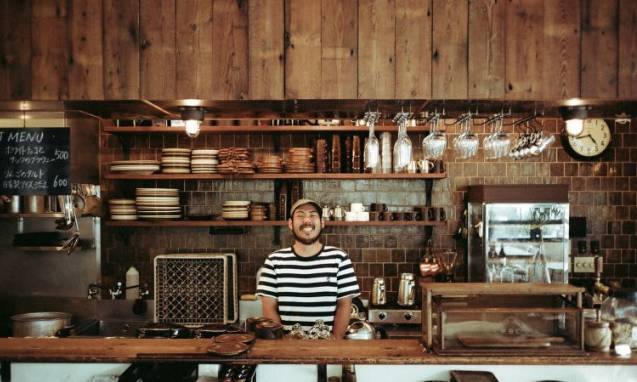
Little Nap is only around 20 square meters, which is extremely small for a café. Its compact size reflects Tokyo’s creative coffee stand culture and forces a focus on quality, intimacy, and efficient design rather than volume or luxury.
What kind of food does Tas Yard serve?
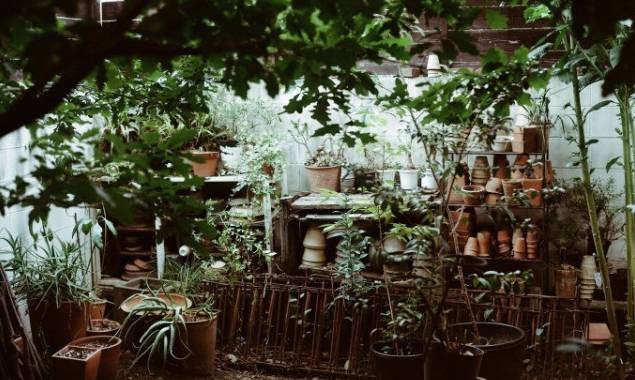
Tas Yard serves a variety of nourishing, comfort-style dishes inspired by traditional Japanese kissaten, including Japanese curry rice, pasta, and beef stew. The menu is designed with health and balance in mind, catering to office workers and locals seeking a relaxed meal.
What is graf, and how does it combine coffee with other creative disciplines?
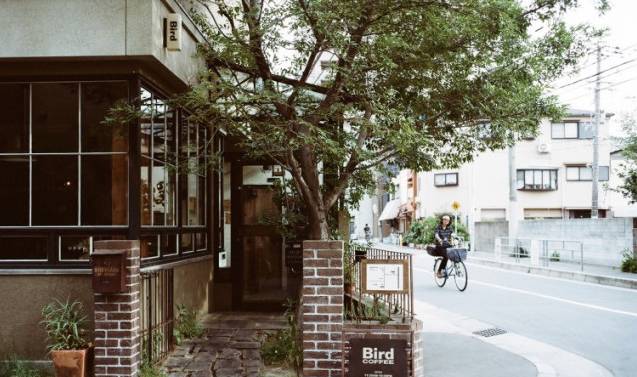
graf is a multidisciplinary space founded in 1998 that includes a café, furniture studio, and workshop. It was started by six friends with backgrounds in furniture repair and creative arts. The café serves as a hub for experimenting with design, food, and community interaction, promoting a philosophy of finding inspiration in everyday life.
Why does BIRD use a siphon to brew coffee?
BIRD uses an old-fashioned siphon (vacuum pot) to brew coffee because it’s a slow, theatrical method that produces a rich, clean cup. The choice reflects owner Tokuhiko Kise’s appreciation for craftsmanship and the idea that the coffee experience should be both delicious and visually engaging.
Do any of these cafés have international locations?
Yes, Bread, Espresso & has an international branch in Taipei’s Xinyi District, and graf has expanded with a studio in the UK to promote Asian coffee culture and design innovation abroad.
Recommended FrontStreet Beans for Café Culture
For coffee shops inspired by these Japanese cafés, try FrontStreet Coffee’s Ethiopia Humbera for bright floral and citrus notes, Yirgacheffe for juicy berry tones, or the Classic Blend for a balanced espresso that works well in both pour-over and milk drinks. These beans highlight the craftsmanship and clarity valued in specialty coffee cafés. Freshly roasted within 5 days · Orders placed before 17:00 ship the same day · Next-day delivery across most of Guangdong Province.
FrontStreet Coffee is a long-established specialty coffee roaster in Guangzhou China, selling freshly roasted beans from its own farm in Yunnan as well as dozens of carefully selected single-origin beans from around the world for both pour-over and espresso. The products deliver consistently excellent quality and great value, with shipping within 24 hours. Guangzhou's FrontStreet Coffee shop is recommended by many coffee lovers, and the beans are now available online at the Tmall 。
Important Notice :
前街咖啡 FrontStreet Coffee has moved to new addredd:
FrontStreet Coffee Address: 315,Donghua East Road,GuangZhou
Tel:020 38364473