
"Malaba"
528 article(s) found

Fine coffee Rwanda coffee producing area Western Province Lutexiluo producing area
Rwandans have been growing coffee since colonial times, but until 1999, the product was classified as below grade C and was not available on the global market. The reason for the poor quality is that farmers do not have a fixed procedure for cleaning coffee beans, and they do not process coffee fruits according to specifications in time. Buyers pay $0.33 a kilo for coffee beans, farmers keep warm on meager profits from low prices

Flavor and taste characteristics of Coffee from Chimere Manor in Lutesilo, West Province of Malaba Coffee, Rwanda
In 2006, the Swedish Minister of Development and Cooperation and Deputy Minister of Foreign Affairs, Karin Jemtin (Carin Jamtin), visited Malaba to expand cooperation between Sweden and Rwanda and to promote Malaba coffee to the Swedish professional market.

Fine coffee Rwanda coffee treatment method washing, elevated scaffolding sun drying
Rwandans have been growing coffee since colonial times, but until 1999, its products were still classified as below Class C and were not popular in the global market. The reason for the poor quality is that farmers do not have a fixed procedure for washing coffee beans and do not process coffee fruits according to specifications in time. Buyers buy coffee beans at $0.33 per kilogram, and farmers keep warm by the meagre profits earned at low prices.

Rwandan Coffee Flavors Rwandan Coffee Features
Maraba coffee (Rwandan: Ikawa ya Maraba, French: Caf de Maraba) is a Fairtrade certified coffee grown in the Maraba region of southern Rwanda. Malaba's coffee crop is a bourbon variety of Arabica species grown on fertile volcanic soils in high-altitude hills. The fruits of coffee trees are mainly harvested manually during the rainy season between March and May.

Introduction of Kimmel Manor in Lute Xilo, West Province of Malaba Coffee Coffee, Rwanda
The first problem for Malaba coffee farmers is to set up a cleaning station. The coffee fruit must be transported to the cleaning station to wash the sugar under the skin of the coffee bean within 12 hours after picking, otherwise the flavor of the coffee will be greatly damaged. In July 2001, with UNR, the Ministry of Culture and Industry of Rwanda (Office des Cultures Industrielles du Rwanda,OCIR-Caf), ACD

How did the Indian wind stain treatment come from? What are the characteristics of Malaba coffee?
Professional coffee knowledge exchange more coffee bean information Please follow the coffee workshop (Wechat official account cafe_style) it is said that a long time ago, when raw coffee beans were shipped from India to Europe, changes were caused by high temperatures and moisture in the Indian Ocean, and this is where "wind stains" came from. In addition to the expansion and enlargement of the size of the raw beans after wind-soaked, the color of the raw beans is also changed from green to green.

The characteristics of Rwandan coffee
Since the 1920s, Arabica coffee grown in Rwanda has been famous for its unique fruit sweetness and rich grass aroma. In recent years, the Rwandan government has taken positive measures to vigorously promote coffee production, set up coffee production cooperatives in various places, and give technical guidance and financial support to farmers, so that coffee production has made considerable progress. From Rwanda.

Which brand of Indian Malaba coffee is good? how to use Indian drip coffee? how about Indian coffee?
Professional coffee knowledge exchange more information about coffee beans Please pay attention to the coffee workshop (official Wechat account cafe_style) Coffee has become the first drink in the world only 1600 years later, so the recorded history of coffee is only 400 years similar to that of Taiwan. It is generally recognized that Africa is the home of coffee, originated in Ethiopia and spread from the port of Mocha in Yemen to all parts of the world.
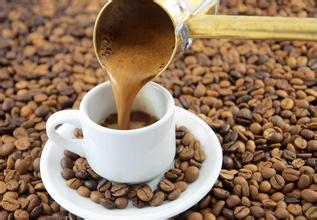
Boutique coffee Rwanda coffee origin Rwanda coffee practice
Rwandans have been growing coffee since colonial times, but until 1999, its products were still classified as below Class C and were not popular in the global market. The reason for the poor quality is that farmers do not have a fixed procedure for washing coffee beans and do not process coffee fruits according to specifications in time. Buyers buy coffee beans at $0.33 per kilogram, and farmers keep warm by the meagre profits earned at low prices.
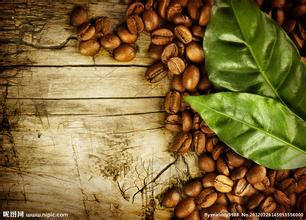
Boutique Coffee Rwanda Coffee Manor 1756 members small farmers
Rwandans have been growing coffee since colonial times, but until 1999, its products were still classified as below Class C and were not popular in the global market. The reason for the poor quality is that farmers do not have a fixed procedure for washing coffee beans and do not process coffee fruits according to specifications in time. Buyers buy coffee beans at $0.33 per kilogram, and farmers keep warm by the meagre profits earned at low prices.

What is Indian monsoon coffee? What are the flavor characteristics of Indian-style Malaba coffee?
Professional coffee knowledge exchange more coffee bean information Please follow the coffee workshop (Wechat official account cafe_style) it is said that a long time ago, when raw coffee beans were shipped from India to Europe, changes were caused by high temperatures and moisture in the Indian Ocean, and this is where "wind stains" came from. In addition to the expansion and enlargement of the size of the raw beans after wind-soaked, the color of the raw beans is also changed from green to green.
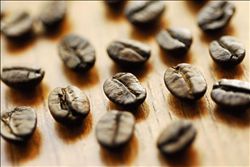
Fine coffee Rwanda Coffee introduces the characteristics of Rwanda Coffee
Rwandans have been growing coffee since colonial times, but until 1999, its products were still classified as below Class C and were not popular in the global market. The reason for the poor quality is that farmers do not have a fixed procedure for washing coffee beans and do not process coffee fruits according to specifications in time. Buyers buy coffee beans at $0.33 per kilogram, and farmers keep warm by the meagre profits earned at low prices.

Introduction of Coffee Manor in Malaba, Rwanda
In early 2003, UCR distributed Malaba coffee through the Sainsburys supermarket in Sainsbury and sold it in its 350 stores until Red nose Day that year. In 2003, Abauzam Gump made a net profit of US $35000. Of this, 70% is allocated to farmers at a price of US $0.75 per kilogram.

Boutique coffee Rwanda coffee flavor red apple, cherry, cinnamon, honey
Rwandans have been growing coffee since colonial times, but until 1999, its products were still classified as below Class C and were not popular in the global market. The reason for the poor quality is that farmers do not have a fixed procedure for washing coffee beans and do not process coffee fruits according to specifications in time. Buyers buy coffee beans at $0.33 per kilogram, and farmers keep warm by the meagre profits earned at low prices.

Southern part of Malaba Coffee production area, a coffee variety from Rwanda
Malaba Coffee grows in southern Rwanda, about 12 kilometers (7 miles) from the city of Butare and 150 kilometers (93 miles) from the capital, Gejali. The plan began in the Malaba area of Butare province, but was taken over by a local government organization in 2006, which is now part of the Huye district of the southern province. Due to its proximity to the East African Rift Valley and the Neuenway Forest Mountains, the terrain

Boutique coffee Rwanda coffee origin Rwanda coffee practice
Rwandans have been growing coffee since colonial times, but until 1999, its products were still classified as below Class C and were not popular in the global market. The reason for the poor quality is that farmers do not have a fixed procedure for washing coffee beans and do not process coffee fruits according to specifications in time. Buyers buy coffee beans at $0.33 per kilogram, and farmers keep warm by the meagre profits earned at low prices.
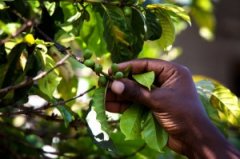
Coffee producing area African Rwanda boutique coffee beans
Global coffee producing area-since the 1920s, Rwanda Arabica coffee grown in Rwanda has been famous for its unique fruit sweetness and rich grass aroma. In recent years, the government of Rwanda has taken positive measures to vigorously promote coffee production, set up coffee production cooperatives in various places, and give technical guidance and financial support to farmers, so that coffee production can be achieved.

Flavor characteristics of Indian monsoon Malaba coffee monsoon treatment of coffee beans
Background of Malaba in India in the 17th century a Muslim named BABA BUDAM made a pilgrimage to Mecca and brought coffee tree seeds back to India. He planted the seeds near his hut in mysore. In 1840, the British began to plan to grow coffee in South India. Karnataka, located in the southwest of malabar, India, is a major producer.
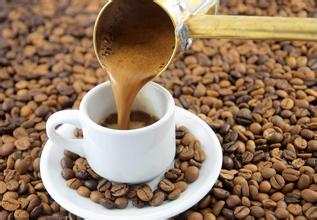
Boutique coffee Rwanda coffee producing area in the western province of Lutexilo
Rwandans have been growing coffee since colonial times, but until 1999, its products were still classified as below Class C and were not popular in the global market. The reason for the poor quality is that farmers do not have a fixed procedure for washing coffee beans and do not process coffee fruits according to specifications in time. Buyers buy coffee beans at $0.33 per kilogram, and farmers keep warm by the meagre profits earned at low prices.

Fine coffee Rwanda coffee processing method Processing method Washing, elevated shelf drying
Rwandans have been growing coffee since colonial times, but until 1999, the product was classified as below grade C and was not available on the global market. The reason for the poor quality is that farmers do not have a fixed procedure for cleaning coffee beans, and they do not process coffee fruits according to specifications in time. Buyers pay $0.33 a kilo for coffee beans, farmers keep warm on the meager margins they earn at low prices