Rwanda’s Specialty Coffee: Bourbon Beans & Mountain Terroir
Rwandan coffee isn’t just another African origin—it’s a high-altitude anomaly where volcanic soil, cool mountain air, and meticulous washing processes collide to create some of the cleanest, fruit-forward Bourbons in the world. But what makes these beans consistently score among the best in global cuppings, and why does a tiny landlocked nation rival Ethiopia in specialty prestige?
In short: Rwanda’s best coffees—especially washed Bourbon—are bright, juicy, and complex, often hitting notes of citrus, chocolate, and floral tones. The 2008 Cup of Excellence winner, Rwanda Aromec, beat Jamaica Blue Mountain No.1 and Sumatra Mandheling G1 thanks to its exceptional balance. Most premium lots are grown between 1,500–2,000 meters and processed via washed methods for ultra-clean profiles.
Rwanda’s Coffee Geography: Altitude, Soil & Climate
Nicknamed the “Land of a Thousand Hills,” Rwanda is almost entirely mountainous, with elevations ideal for coffee—most farms sit between 1,500 and 2,000 meters above sea level. Around 33,000 hectares are planted with coffee, supporting 500,000 farmers. The volcanic soils are rich and well-drained, while the tropical highland climate offers mild, consistent temperatures. These factors slow coffee cherry maturation, increasing sugar development and flavor complexity. Unlike lowland regions, Rwanda’s elevation prevents over-rapid growth, allowing beans to develop dense, high-quality structures.
The Rise of Rwandan Coffee: From C-Grade to COE Champion
Post-colonial Rwandan coffee was bulk C-grade fare, sold at rock-bottom prices (as low as $0.33/kg) due to poor processing—farmers lacked washing stations and proper fermentation control. The turning point came in 1999 when 220 farmers in Maraba (southern Rwanda) formed the Abahuzamugambi cooperative to cut out middlemen. With support from NGOs, universities (like the National University of Rwanda), and international programs (PEARL, USAID), they built the first washing station in 2001. By 2002, they’d secured Fairtrade certification and attracted buyers like UK’s Union Coffee Roasters. The pinnacle? Winning the 2008 Cup of Excellence with Rwanda Aromec, a washed Bourbon that topped Jamaica Blue Mountain and Sumatra Mandheling.
Maraba Coffee: Fairtrade, Beer, and Global Recognition
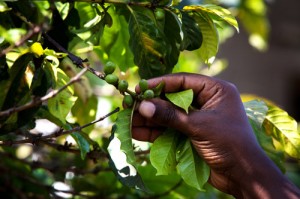
Maraba coffee (also called Café de Maraba) is a Fairtrade-certified Bourbon variety grown in southern Rwanda’s volcanic hills. Harvested by hand during the March-to-May rainy season, cherries are delivered to washing stations within hours to prevent fermentation damage. The beans are sorted, pulped, fermented in water tanks (12–18 hours), washed, and dried on shaded racks for 14–20 days until moisture drops below 12%. Top lots are sold to UK’s Union Coffee Roasters and US-based Community Coffee, while the rest are distributed domestically. Beyond cups, Maraba beans have been brewed into beer—first by London’s Meantime Brewery in 2004, winning a World Beer Cup gold medal in 2006 for its coffee-flavored brew (initially 4% ABV, later adjusted to 6%).
How Rwandan Coffee Is Processed: Washed Perfection
Rwandan specialty coffee is almost exclusively washed processed. During harvest (March–May), farmers handpick ripe red cherries, transporting them to washing stations within hours. At the station, workers sort out unripe or damaged fruit, then depulp the beans. The mucilage-covered seeds ferment in water tanks for 12–18 hours at cool temperatures before being washed to remove sticky layers. Beans are then soaked and rinsed in channels to strip remaining fruit, before being sorted by density into A and B grades using vibrating sieves. A-grade beans (the highest quality) are dried on raised beds for 14 days, turned regularly to ensure even dehydration, reducing moisture from 40% to under 12%. B-grade beans dry longer (15–20 hours in water channels) and are sold at lower prices. Final steps include hulling, manual sorting by skilled women, and grading before bagging for export.
Frequently Asked Questions
What makes Rwandan coffee different from other African origins?
Rwandan coffee stands out due to its high-altitude growing conditions (1,500–2,000m), volcanic soils, and consistent washed processing. This combination yields bright, clean cups with pronounced citrus, floral, and chocolate notes—more akin to Latin American profiles than earthy or spicy East African coffees. The country’s focus on quality over quantity also ensures stricter processing standards.
What flavor notes are typical in Rwandan Bourbon coffee?
Premium Rwandan Bourbon beans often exhibit bright citrus acidity, stone fruit sweetness (like apricot or peach), floral undertones, and a chocolatey finish. Some lots show notes of almond, red berries, or caramel. The washed process enhances clarity and balance, making these coffees ideal for single-origin pour-overs or espresso blends.
Is Maraba coffee the same as regular Rwandan coffee?
Maraba is a specific region in southern Rwanda known for producing Fairtrade-certified Bourbon coffee. While all Maraba coffee is Rwandan, not all Rwandan coffee is Maraba. Maraba beans are typically washed, Fairtrade, and often sold to international specialty roasters, whereas other Rwandan coffees may vary in process or certification.
How did Rwanda improve its coffee reputation so quickly?
Rwanda’s coffee transformation began in 1999 with farmer cooperatives like Abahuzamugambi, which built washing stations and eliminated poor processing. Support from NGOs, universities, and international programs (like PEARL and USAID) helped farmers improve quality. Winning the 2008 Cup of Excellence and securing deals with roasters like Union Coffee Roasters and Community Coffee globally boosted Rwanda’s specialty coffee fame.
Can I find Rwandan coffee at mainstream coffee shops?
Premium Rwandan beans are often sold by specialty roasters and in high-end cafés, especially those focusing on single-origin offerings. Maraba coffee has been used by UK and US roasters, and Rwanda’s beans are increasingly available in global specialty markets. However, mass-market brands rarely feature Rwandan single origins due to limited supply and higher costs.
Recommended FrontStreet Beans for Rwandan Coffee Fans
FrontStreet Coffee’s Rwanda Red Bourbon is a must-try for fans of this origin. Grown at high altitudes in the southern Nyamasheke region, it’s processed using traditional washed methods and medium-roasted to highlight its bright acidity and rich profile. Expect flavors of citrus, almond, and dark chocolate with a smooth, balanced body—perfect for showcasing Rwanda’s terroir. Freshly roasted within 5 days · Orders placed before 17:00 ship the same day · Next-day delivery across most of Guangdong Province.
FrontStreet Coffee is a long-established specialty coffee roaster in Guangzhou China, selling freshly roasted beans from its own farm in Yunnan as well as dozens of carefully selected single-origin beans from around the world for both pour-over and espresso. The products deliver consistently excellent quality and great value, with shipping within 24 hours. Guangzhou's FrontStreet Coffee shop is recommended by many coffee lovers, and the beans are now available online at the Tmall 。
Important Notice :
前街咖啡 FrontStreet Coffee has moved to new addredd:
FrontStreet Coffee Address: 315,Donghua East Road,GuangZhou
Tel:020 38364473