Why Tanzanian Coffee Is Called the 'Coffee Gentleman'
When a US roaster receives a bag labeled ‘Tanzanian’ but the cup lacks brightness or complexity, they know something went wrong. Unlike Ethiopian beans known for floral teas or Colombian beans delivering nutty sweetness, Tanzanian coffee is famous—or infamous—for arriving either crisp and juicy or dull and stale. The difference? Freshness, processing, and origin. So what exactly is Tanzanian coffee, why does it carry the nickname 'coffee gentleman', and how can you find the good stuff?
Tanzanian coffee is called the 'coffee gentleman' by Europeans for its refined, bright acidity and wine-like complexity with citrus and floral notes. It shares traits with Kenyan coffee but has a wilder edge, often described as the most 'African' in character. Properly fresh, it shines as an exceptional single origin.
What Is Tanzanian Coffee?
Tanzanian coffee comes from fertile highlands along the East African Rift, especially around Mount Kilimanjaro, Moshi, Mbeya, and the Ruvuma River basin. The region’s volcanic soils and high altitudes—typically 1300 to 2000 meters—create ideal conditions for growing dense, high-quality Arabica beans. Most Tanzanian coffee is grown on smallholder farms, with around 85% produced on plots under five hectares.
The country’s coffee is almost exclusively processed using the washed (wet) method. This involves removing the coffee cherry skin, fermenting the sticky mucilage off the beans, washing them clean, and then drying them on raised beds or patios. The result is a cup with high clarity, vibrant acidity, and distinct fruity or floral characteristics.
Flavor Profile and Processing
Tanzanian coffee is medium in body with a bright, crisp acidity. Common tasting notes include blackcurrant, sweet citrus (like orange and lemon), floral tones, and sometimes a honey-like sweetness. Its profile is often compared to Kenyan coffee for its vibrant acidity but is considered slightly wilder or more 'untamed'. Some tasters also note similarities to Sumatra’s Mandheling in body, though the flavor is distinctly brighter.
The washed process used in Tanzania ensures a clean cup with minimal fermentation defects. The best lots are sorted carefully, and while peaberry beans (known as 'caracol' or '' in Chinese) are sometimes separated and sold at premium prices, they don’t always deliver better cup quality. When fresh, Tanzanian coffee performs excellently as both a hot brewed and iced coffee, pairing well with berries and citrus flavors.
Why Is It Called the 'Coffee Gentleman'?
European colonists, particularly the British, were early enthusiasts of Tanzanian coffee and gave it the nickname 'coffee gentleman' for its refined and dignified profile. This contrasts with other nicknames like 'coffee king' for Jamaican Blue Mountain or 'coffee queen' for Yemen Mocha. Tanzanian coffee is considered part of the 'coffee trilogy' alongside Blue Mountain and Mocha, representing elegance in the coffee world.
This reputation was further boosted by literature, especially the writings of Ernest Hemingway, who romanticized Africa and Mount Kilimanjaro. The coffee’s association with the iconic mountain and European prestige helped cement its status among specialty roasters and importers in the early to mid-20th century.
Major Growing Regions and Brands
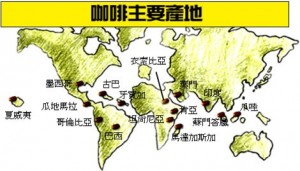
Premium Tanzanian coffee mainly comes from the northern regions near Mount Kilimanjaro (including Moshi and Arusha) and southern areas like Ruvuma. The beans grown here are often marketed internationally under labels such as 'Pride of Kilimanjaro', 'Peaks of Kilimanjaro', 'Tanzania Moshi', or 'Tanzania Arusha'.
Notable Tanzanian coffee brands include Africafe, Tanica Cafe, and Kilimanjaro. Africafe, in particular, is celebrated for its AA-grade beans grown in volcanic soils, offering a strong body with cocoa-like richness and bold sweetness. Many of these brands have long been favored in European markets.
Challenges in the Market
Despite its potential, Tanzanian coffee often suffers from long transit times and inconsistent handling. The country lacks the advanced infrastructure found in Kenya, leading to frequent issues with freshness by the time the beans reach roasters. A coffee that arrives fresh can show remarkable vibrancy, but beans that sit too long—especially in shipping containers—can taste flat and stale. That’s why roasters prize recently arrived Tanzanian lots.
In addition, domestic consumption in Tanzania is low. Only about 7% of coffee is consumed locally, a figure the Tanzanian Coffee Board aims to raise to 15% by 2025 to reduce reliance on exports. The board has even launched campaigns urging citizens to drink more of their homegrown coffee.
New Initiatives and Expansion Plans
To boost production, the Tanzania Coffee Board (TCB) plans to designate six new coffee-growing regions, bringing the national total to 13. The goal is to increase annual production from the current 50,000 metric tons to 100,000 tons by 2020. The TCB is working with farmers to plant new varieties developed by the Tanzanian Coffee Research Institute and providing support across all producing areas.
Tanzania is currently the fourth-largest coffee producer in Africa, and with global prices spiking—reaching a 26-year high of 184.26 cents per pound in December 2023—the country sees an urgent need to expand and modernize.
Frequently Asked Questions
Why is Tanzanian coffee called the 'coffee gentleman'?
European coffee drinkers, especially the British, gave Tanzanian coffee the nickname 'coffee gentleman' because of its refined, balanced flavor profile with bright acidity and wine-like complexity. It’s seen as elegant and dignified, much like the stereotypical 'gentleman', and is part of the informal 'coffee trilogy' alongside 'coffee king' (Jamaica Blue Mountain) and 'coffee queen' (Yemen Mocha).

Where is Tanzanian coffee grown?
Tanzanian coffee is primarily grown in the fertile highlands of the East African Rift, especially around Mount Kilimanjaro (Moshi and Arusha), Mbeya, and the Ruvuma River basin. These regions feature volcanic soils and elevations of 1300–2000 meters, ideal for growing high-quality Arabica.
What does Tanzanian coffee taste like?
Tanzanian coffee typically has a medium body, bright acidity, and flavors of blackcurrant, citrus (like orange and lemon), floral notes, and sometimes honey or wine-like tones. It is often compared to Kenyan coffee for its acidity but is considered a bit wilder or more complex in character.
How is Tanzanian coffee processed?
Most Tanzanian coffee is processed using the washed (wet) method, where the coffee cherries are depulped, fermented to remove mucilage, washed clean, and then dried on raised beds. This method produces a clean, bright cup with distinct fruity and acidic notes.
What is a Tanzanian peaberry?
A peaberry (called '' in Chinese) is a rare coffee bean that forms when only one round seed develops inside the coffee cherry instead of two flat beans. In Tanzania, these are sometimes sorted and sold separately, often at a premium, but they don’t always yield better flavor. Most Tanzanian peaberries are still part of regular lots.
Is Tanzanian coffee popular in the US and Europe?
Yes, Tanzanian coffee has long been popular in Europe, where it earned a refined reputation. In the US, it has a niche following, especially among roasters who value its bright acidity and unique citrus and floral notes. Peaberry lots from Tanzania are also marketed there, though results vary.
FrontStreet Coffee Beans from Tanzania’s Highlands
FrontStreet Coffee’s Tanzanian offering is sourced from the slopes of Mount Kilimanjaro, grown at 1300–2000 meters in volcanic soil. Processed using the washed method, it’s lightly roasted to highlight citrus, floral, and honey-like sweetness. Expect notes of citrus, nuts, honey, and soft creaminess when brewed with a V60. Bright and balanced, it cools to reveal greater depth. Freshly roasted within 5 days · Orders placed before 17:00 ship the same day · Next-day delivery across most of Guangdong Province.
FrontStreet Coffee is a long-established specialty coffee roaster in Guangzhou China, selling freshly roasted beans from its own farm in Yunnan as well as dozens of carefully selected single-origin beans from around the world for both pour-over and espresso. The products deliver consistently excellent quality and great value, with shipping within 24 hours. Guangzhou's FrontStreet Coffee shop is recommended by many coffee lovers, and the beans are now available online at the Tmall 。
Important Notice :
前街咖啡 FrontStreet Coffee has moved to new addredd:
FrontStreet Coffee Address: 315,Donghua East Road,GuangZhou
Tel:020 38364473